
Blooming
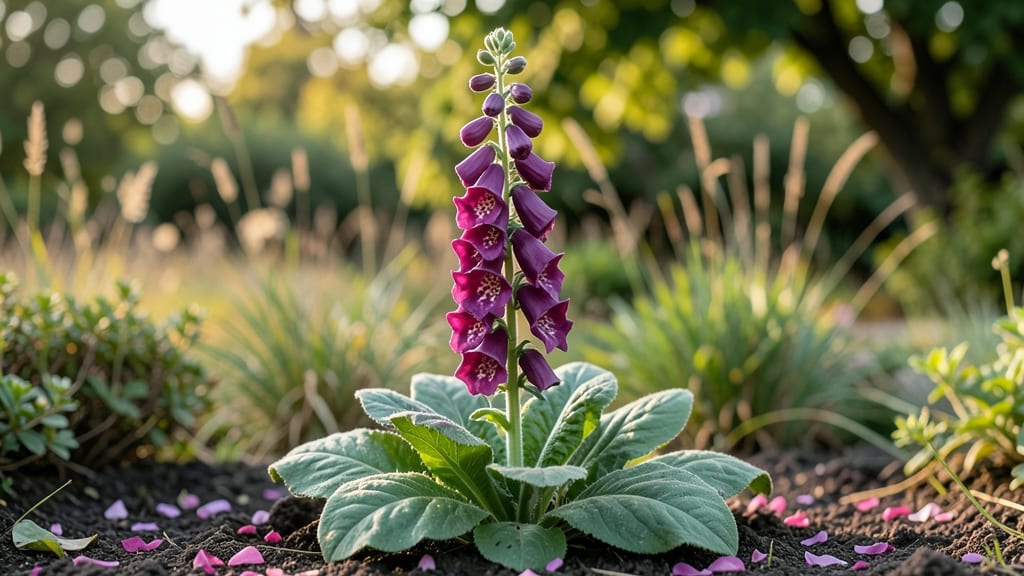
The foxglove flowering season brings gardens to life with their striking bell-shaped blooms 🌸, typically gracing landscapes from June to August in most regions.
If you’ve ever dreamed of a garden dripping with foxglove’s iconic bell-shaped blooms, timing is everything—miss the flowering season, and you’ll miss the show. But when exactly should you expect those towering spikes of purple, pink, or white to burst into color?
The answer depends on your USDA hardiness zone, where Zone 6a typically sees blooms kick off in early June, while cooler zones may delay them until July. Even in the same area, first-year plants often wait until their second season to put on a full display, so patience pays off.
Below, you’ll find the exact months for your zone, plus pro tips to coax longer blooms—like deadheading spent spikes and choosing the right varieties. With the right care, your foxgloves could keep flowering well into August, giving you a stunning vertical show that hummingbirds can’t resist.
Foxglove flowering season by USDA plant hardiness zone: exact months
Foxglove (Digitalis purpurea) is a biennial that rewards patience with dramatic towering flower spikes in its second year. But when will your purple, pink, or white blooms appear?
The answer varies dramatically by USDA hardiness zone, with first-year plants often producing minimal flowers. Understanding these patterns helps you plan for the best bloom timing in your region.
In warmer zones (7-11), foxgloves may bloom year-round or produce multiple flowering cycles per year, while cooler zones (3-6) see a single, late-spring to summer display.
Even within zones, early vs. late seasons can shift bloom times by 4-6 weeks. Let’s break down what to expect where you garden.
| Zone | Typical Bloom Months | First-Year Blooms? | Notes |
|---|---|---|---|
| 3-4 | July–August | No (rarely) | Coldest zones; longer dormancy delays blooms. |
| 5-6 | June–July | No (minimal) | Plant in spring for summer blooms next year. |
| 7-8 | May–June | Yes (light) | Warmer winters may trigger first-year blooms. |
| 9-10 | April–May | Yes (frequent) | Year-round growth possible with mild winters. |
| 11 | March–April (or year-round) | Yes (abundant) | Tropical climates allow multiple bloom cycles. |
If you’re in Zone 3-4 and want to advance bloom timing, start seeds indoors in February and transplant outdoors after the last frost. In Zones 7-11, foxgloves may rebloom in fall if deadheaded promptly.
For second-year plants, expect the most dramatic displays—these biennials invest their first year building roots and foliage before producing 6-foot-tall flower spikes.
Watch for early signs of buds in spring—these appear as swollen nodes along the stems. In cooler zones (5-6), a late frost can delay blooms by 2-3 weeks, while hot summers (Zones 9-11) may cause bolting (premature flowering) if stressed.
Adjust watering to keep soil consistently moist during bud formation for healthier, longer-lasting blooms.
Pro tip: Plant foxgloves near a moisture-retentive border or in partial shade to extend their flowering season. In Zones 3-6, mulch heavily in fall to protect roots from freezing, which can shorten the next year’s blooms.
For container gardening in warmer zones, choose dwarf varieties like ‘Pam’s Choice’ to encourage repeated flowering.
Remember, foxgloves are self-seeding—once established, they’ll reappear year after year with minimal effort. But to guarantee blooms, plant seeds or transplants 4-6 weeks before your last frost date and provide well-draining soil. With the right timing, your garden will burst into color just as you’ve been dreaming.
For early blooms, try cold-stratifying seeds in Zones 5-6—place them in a moist paper towel in the fridge for 4-6 weeks before sowing. This mimics winter conditions and can jumpstart germination by 3-4 weeks.
🌸
How to extend foxglove blooms: deadheading, fertilizing, and light tricks
Foxgloves (Digitalis purpurea) are famous for their dramatic vertical blooms, but many gardeners miss out on their full potential. With the right care, you can extend the flowering season by up to 4-6 weeks, turning a mid-summer show into a late-season spectacle.
The key lies in three critical practices: deadheading, fertilizing, and optimizing light exposure. Let’s dive into how each technique works—and why skipping them can cut your blooms short.
First, let’s tackle the most common mistake: waiting too long to deadhead. Many gardeners assume foxgloves are low-maintenance and skip this step entirely. But deadheading—removing spent flower spikes—is the #1 way to encourage new blooms.
When you leave faded flowers on the plant, the energy goes into seed production instead of forming fresh buds. For foxgloves, this means fewer blooms and a shorter season.
Start deadheading as soon as 50% of the flowers on a spike have faded, using clean pruners to cut just above the next set of leaves.
⚠️ WARNING: Common Mistakes That Shorten Foxglove Blooms ⚠️
Don’t Over-Fertilize!
Foxgloves are light feeders—too much nitrogen (the first number in NPK) promotes leafy growth at the expense of flowers. Use a balanced 5-10-10 fertilizer sparingly: apply just 1 tbsp per plant in early spring and again after the first flush of blooms. Overdoing it can stunt flowering and weaken stems, leading to floppy spikes that collapse before they fully open.
Avoid Full Sun!
While foxgloves need 4-6 hours of sunlight daily, they burn easily in harsh afternoon rays. Plant them where they get morning sun and afternoon shade, especially in hotter zones (7-11). Too much direct sun can cause premature wilting and reduce bloom duration by up to 3 weeks. A north- or east-facing spot is ideal.
Skip Deadheading in Year 1!
First-year foxgloves are energy-focused on root growth. Deadheading too early can stress young plants and reduce their ability to establish strong roots for next year’s showstopping blooms. Wait until the second year to start deadheading regularly—this is when they’ll reward you with taller spikes and longer flowering.
For second-year foxgloves, timing is everything with fertilizers. After their first year of growth, these biennials need a gentle nutrient boost to support their dramatic height and flower production. In early spring, apply a low-nitrogen fertilizer (like 5-10-10) to encourage strong stems and buds.
Repeat this once more after the first blooms fade to promote a second flush of flowers. Pro tip: Water deeply before fertilizing to prevent root burn, and always apply in the early morning to avoid leaf scorch.
Light exposure plays a surprising role in bloom duration. While foxgloves thrive in partial shade, they need just enough sunlight to trigger flowering. In shady spots (less than 4 hours of sun), blooms may appear smaller and less vibrant, and the season can shorten by 2-3 weeks.
If your garden is particularly shady, consider a reflective surface (like a white wall or mirror) to bounce extra light onto the plants. Conversely, in full sun, use lightweight shade cloth during peak afternoon hours to protect delicate blooms from wilting.
One trick I’ve used with great success is staking taller varieties like ‘Giant Candlesticks.’ Without support, heavy flower spikes can flop over, which not only looks messy but also blocks sunlight from lower buds, reducing overall blooms.
Use soft ties or bamboo stakes to keep spikes upright, ensuring every flower gets the light it needs to stay vibrant longer. This simple step can add 1-2 weeks to your foxglove season by preventing hidden buds from drying out.
Finally, don’t forget that consistent moisture is key to extending blooms. Foxgloves prefer evenly moist soil but hate soggy roots. Water deeply once a week during dry spells, focusing on the base of the plant to avoid wetting the leaves (which can lead to fungal issues).
Mulch with 2-3 inches of organic matter (like shredded bark) to retain moisture and keep roots cool. This small effort can double your bloom time by reducing stress on the plant.