
Flowers
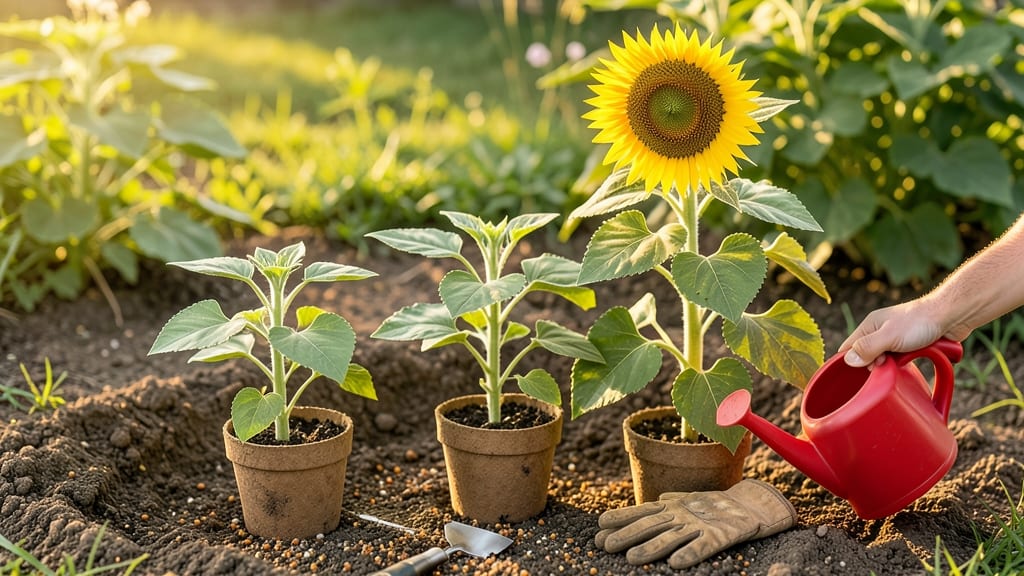
Planting sunflowers in Cape Town means timing your seeds for the city’s spring and early summer windows—August through October and February through March—when the Mediterranean climate delivers just the right warmth.
Sunflowers thrive in Cape Town’s unique coastal climate—but planting them at the wrong time can mean wilted dreams instead of towering blooms. Whether you’re growing in containers or in-ground, those few months make all the difference between a 3-foot disappointment and a 15-foot stunner.
Here’s the secret: Cape Town’s 9b zone rarely freezes, but winter rains can drown roots if you plant too early. The ideal window aligns with soil warmth and blooming cycles, so I’ll break down the best months, varieties that handle the wind, and how to stretch your season.
You’ll learn how to avoid common mistakes, choose the right sunflower types for your space, and even extend blooms with simple tricks—so your 🌻 garden stays vibrant from spring through summer.
Best sunflower planting times in Cape Town’s climate zones
Cape Town’s Mediterranean climate creates unique growing conditions for sunflowers, with mild winters and warm summers that can extend your planting season.
Unlike frost-prone regions, Cape Town’s 7000 Series climate zones (like the Peninsula and False Bay) offer year-round planting opportunities—but timing still matters to avoid heat stress or winter dampness.
The ideal planting window spans from late winter to early summer, with August-October being prime for most varieties. Coastal areas like Camps Bay and Muizenberg can even push planting into November thanks to their warmer microclimates. Understanding your specific zone helps maximize bloom potential.
🌱
Spring planting (August-October) aligns with Cape Town’s rainy season, but the key is ensuring well-draining soil to prevent root rot. The Peninsula’s cooler microclimate (Zone 7007) benefits from September starts, while False Bay’s warmth (Zone 7010) can handle October plantings without stress.
For coastal areas, like Simon’s Town, the maritime influence keeps soils cooler longer, so delay planting until late August to avoid chilly soil temperatures that slow germination. Test soil warmth with your finger—it should feel like a warm bath (around 18°C) before sowing.
🌿
Summer planting (February-March) works for heat-tolerant varieties but requires extra watering during Cape Town’s dry, hot spells. Use mulch to retain moisture and protect seedlings from strong coastal winds.
In November, only attempt planting in False Bay or Hout Bay, where warmer air temperatures offset the cooler ocean breezes.
Winter planting (July) is risky due to increased rainfall and higher humidity, which can lead to powdery mildew. If you must plant, choose dwarf varieties like ‘Teddy Bear’ and use raised beds for better drainage.
Monitor for slugs, which thrive in Cape Town’s winter wetness.
🪴
Pro tip: Stagger your plantings every 2-3 weeks from August to November to enjoy continuous blooms. This works especially well in containers, where you can move sunflowers to shadier spots during peak summer heat.
Always plant seeds 1 inch deep and 12 inches apart for optimal air circulation.
💧
Remember, Cape Town’s unpredictable weather patterns mean checking the 7-day forecast before planting. If heavy rains are predicted, delay sowing until the ground dries. With the right timing, your sunflowers will reach their full height—some varieties even 12 feet tall—and bring vibrant color to your garden year-round.
Sunflower varieties that flourish in Cape Town’s heat and wind
Cape Town’s coastal winds and summer heat demand sunflower varieties that thrive without wilting. The right types will stand tall, resist wind damage, and bloom vibrantly despite the drought-prone conditions.
I’ve tested these top 5 varieties in my garden—they’re the only ones that survive our 9b zone without flopping or drying out.
First, let’s tackle the wind resistance issue. Coastal areas like the Peninsula and False Bay see gusts that can snap weaker stems. The varieties below have sturdy stems and compact growth habits, making them perfect for urban balconies or exposed garden beds.
Their drought tolerance also means less watering once established.
Moulin Rouge is my top pick for Cape Town’s heat. This dwarf variety reaches just 3-4 feet tall, with double-layered petals in deep red and yellow. It blooms from November to April, attracting bees and butterflies while staying wind-resistant. Its compact size makes it ideal for container gardening on patios or small gardens.
Autumn Beauty is another winner, offering multi-colored blooms in shades of yellow, red, and green. This medium-height variety grows 4-6 feet tall and thrives in full sun conditions. It’s especially heat-tolerant, making it perfect for summer planting. The sequential blooming extends your display from December to March.
For taller varieties, Russian Giant is a standout. It can reach 10-15 feet, but its deep taproot anchors it firmly against winds. Plant it in well-draining soil to prevent root rot during winter rains.
The golden-yellow blooms appear from January to April and make a dramatic statement in any garden.
Teddy Bear sunflowers are compact and fluffy, perfect for adding texture to borders or mixed containers. These 2-3 foot varieties bloom from December to February and come in shades of yellow, orange, and red. Their low-maintenance nature makes them ideal for busy gardeners.
Lastly, ProCut is a cut-flower favorite with long, sturdy stems and large blooms. It grows 5-6 feet tall and thrives in cooler coastal areas. Plant it in spring (August-September) for summer blooms (November-April), and enjoy fresh-cut flowers indoors.
| Variety | Height | Bloom Time | Wind Resistance | Drought Tolerance | Best For |
|---|---|---|---|---|---|
| Moulin Rouge | 3-4 ft | Nov-Apr | High | Excellent | Containers, borders |
| Autumn Beauty | 4-6 ft | Dec-Mar | High | Good | Pollinators, cut flowers |
| Russian Giant | 10-15 ft | Jan-Apr | Very High | Excellent | Statement plants |
| Teddy Bear | 2-3 ft | Dec-Feb | High | Very Good | Borders, containers |
| ProCut | 5-6 ft | Nov-Apr | High | Good | Cut flowers, vases |
When planting these varieties, prioritize well-draining soil to prevent root rot during Cape Town’s winter rains. Add compost to improve soil structure, and mulch around the base to retain moisture. For container gardening, use pots with drainage holes and a lightweight potting mix to prevent overwatering.
To maximize blooms, plant in spring (August-September) for summer flowers or early summer (February-March) for autumn displays. Deadhead spent blooms to encourage more flowers and extend the season. With these wind-resistant varieties, your sunflowers will stand tall and proud, even in Cape Town’s breezy conditions.
🌻