
Flowers
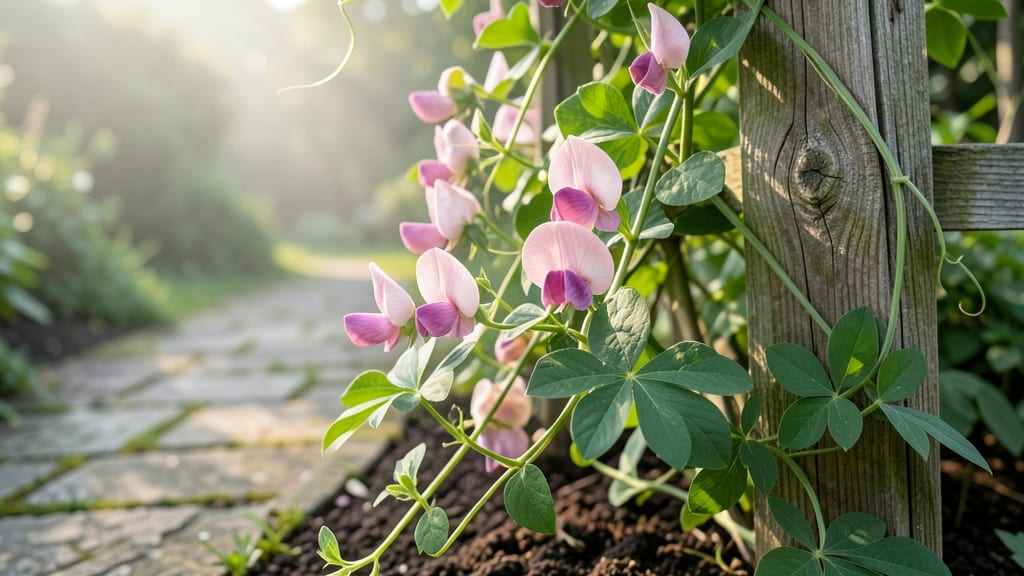
Sweet peas flower in what month do sweet peas flower late spring through summer, with blooms typically appearing 90-120 days after planting, depending on your variety and climate zone.
Picture this: your garden bursting with fragrant 🌸 sweet peas climbing a trellis, their delicate petals swaying in the breeze—only to realize you missed the perfect planting window. Timing is everything, and knowing when to expect those vibrant blooms can make all the difference.
In USDA Zone 6a, where many gardeners grow sweet peas, early spring plantings (March-April) usually reward you with flowers by May or June. But late summer sowings (August-September) can extend the show into October or November, giving you a second flush of color.
Below, I’ll break down the exact bloom timelines for popular varieties, how climate shifts those dates, and pro tips to coax earlier—or later—flowers from your plants. Ready to plan your sweet pea parade?
Sweet pea bloom timeline: month-by-month flowering by variety
Sweet peas (Lathyrus odoratus) are among the most fragrant and colorful annual flowers, but their bloom timing varies dramatically by variety and planting season.
Early bloomers like 'Cupani' can burst into color as early as May in warm zones, while late-season varieties might not peak until July or August. Understanding these differences helps you plan for a continuous display from spring through fall.
Most gardeners plant sweet peas in early spring (March-April) for summer blooms or late summer (August-September) for fall displays. However, cold-hardy varieties can even tolerate light frosts, extending your window in cooler climates. The key is matching your local frost dates with the right variety to maximize blooms.
Regional adjustments are critical—sweet peas in USDA Zone 3 may not bloom until June or July, while Zone 9 gardeners can enjoy flowers as early as April. Below, I’ve broken down the month-by-month flowering for classic and modern varieties, plus tips to extend your season.
For Zone 3–5 gardeners, focus on early varieties like 'Cupani' planted in late May to avoid frost damage. In Zones 6–8, you can plant spring and fall crops for back-to-back blooms. Meanwhile, Zone 9–10 gardeners can enjoy year-round growth with strategic succession planting.
To extend your blooming season, try these tricks: Plant two batches 3–4 weeks apart for staggered blooms, or choose dwarf varieties like 'Painted Lady' to fill gaps between taller climbers. Deadheading spent blooms also encourages continuous flowering.
If you’re in a cooler climate, opt for cold-tolerant hybrids like 'Blue Moon' and start seeds indoors 6–8 weeks before your last frost. For warmer zones, shade cloth can prevent early bolting, while consistent moisture keeps blooms vibrant longer.
Pro tip: Sweet peas thrive in cool weather (60–75°F), so avoid planting when temperatures exceed 80°F. In Southern climates, provide afternoon shade during peak summer to preserve blooms and prevent wilting.
By matching varieties to your local climate and planting dates, you can enjoy sweet pea blooms from May through October—or even longer with careful planning. Experiment with a mix of early, mid, and late-season types to create a nonstop floral display!
Climate factors that shift sweet pea flowering months (and how to adapt)
Your local climate zone and last frost date are the biggest predictors of when sweet peas will flower. In Zone 4 (cold climates like Minnesota or Maine), early varieties like 'Cupani' may not bloom until late June or July after a slow start.
Meanwhile, in Zone 9 (Southern California or Florida), you might see flowers as early as March or April from late summer plantings.
Daylight hours also play a crucial role. Sweet peas are long-day plants, meaning they need 14+ hours of daylight to trigger flowering.
In northern latitudes, this happens naturally in summer, but in coastal areas with mild winters, you might need to plant early-flowering varieties to avoid heat stress during peak bloom.
The comparison below shows how traditional vs. early-flowering varieties perform across key climates, along with adaptable planting strategies for each zone.
For coastal gardeners, where winters are mild but summers can be humid, choose dwarf varieties like 'Tom Thumb' that bloom earlier. These thrive in February or March when traditional varieties might still be dormant. Pair them with afternoon shade to prevent leaf burn during coastal heat spikes.
In Zone 9, where summers are long and hot, traditional sweet peas often struggle. Opt for heat-tolerant varieties like 'Matucana' and plant in late summer (August-September) for blooms in March or April—just before spring heat arrives. Always use drip irrigation to avoid fungal issues from high humidity.
Remember: soil temperature matters just as much as air temperature. Sweet peas won't germinate well in cold soil (below 50°F). Use row covers or black plastic mulch in early spring to accelerate warming and trigger faster flowering.
For Zone 4 gardeners, this can shave 2-3 weeks off your bloom timeline.
🌸