
Blooming
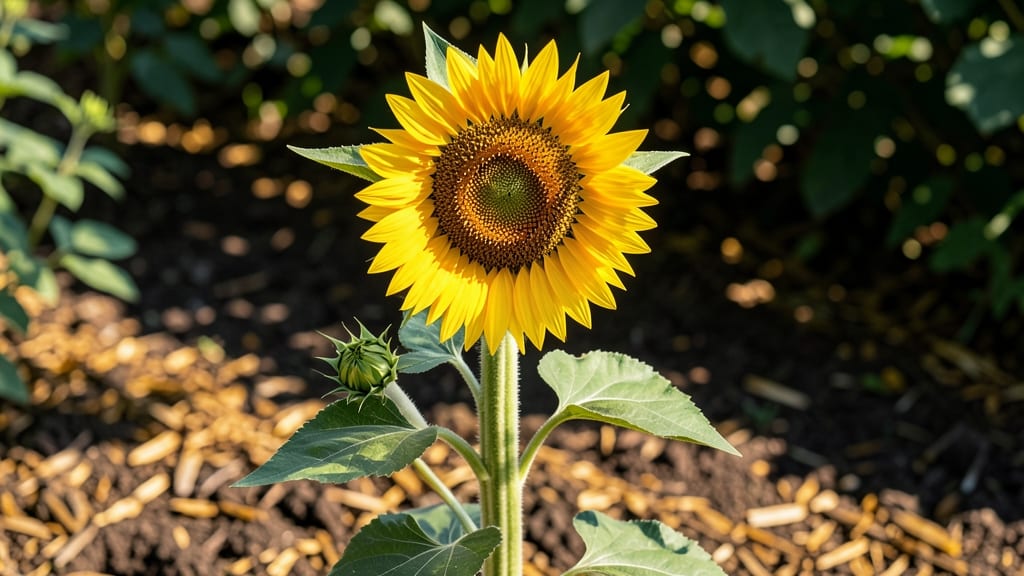
What time of year do sunflowers bloom? They transform gardens into golden canvases in late summer to fall, turning every space into a cheerful display 🌻—but the exact timing depends on where you live and which variety you grow.
Picture this: you’ve just planted your seeds in spring, and now you’re wondering when those towering stems will finally unfurl their petals. The answer isn’t one-size-fits-all, but knowing your USDA zone and choosing the right variety can stretch your blooming season from July to October.
In warmer climates like Zone 10, sunflowers might start blooming as early as June, while in cooler Zone 6a, you’ll likely see flowers in August or September.
The key? Planting at the right time and giving them full sun and well-draining soil—because even the hardiest sunflowers need the right conditions to shine.
Below, I’ll break down the bloom windows by zone, share the best varieties for extending your season, and reveal the simple tricks to keep your sunflowers blooming longer—so you can enjoy their radiance all the way into fall.
Sunflower bloom seasons by USDA hardiness Zones: when to expect flowers
Sunflowers thrive on warmth and sunlight, but their bloom timing varies dramatically across USDA hardiness zones. In Zone 3, you might see flowers as early as late July, while gardeners in Zone 11 can enjoy blooms from spring through fall.
The key lies in understanding your zone’s frost-free window and selecting varieties that match your climate.
Most sunflowers need 60-120 days from seed to bloom, depending on the variety. Early bloomers like 'Teddy Bear' may flower in 60-70 days, while giant varieties like 'Russian Giant' take 90-120 days.
Your planting date—typically after your last frost—directly impacts when those cheerful faces appear in your garden.
Here’s how bloom seasons break down by zone, with practical tips to align your planting schedule for maximum impact:
In Zones 3-5, where summers are short, focus on early-maturing varieties like 'Autumn Beauty' to capture the peak summer sun. These zones often see their first frost by September or October, so planting in late May ensures blooms before cold sets in.
Gardeners in Zones 6-8 enjoy the longest bloom windows, from June through October. This is ideal for succession planting: start with early varieties in April, then follow with mid-season types like 'Teddy Bear' in May, and finish with late bloomers in June for continuous color.
For Zones 9-11, sunflowers are nearly year-round performers. In these warm climates, you can plant every 2-3 weeks from September through March to enjoy blooms in every season. Varieties like 'Evening Sun' thrive in heat, making them perfect for extended summer displays.
Adjust your planting schedule based on your local frost dates. Use a frost calendar from your USDA zone to determine the safest time to plant. For example, in Zone 7, aim for April 15 to ensure blooms by mid-July.
In Zone 10, you can plant as late as January for spring blooms.
Soil temperature also plays a role: sunflower seeds need soil at least 50°F (10°C) to germinate. Use a soil thermometer to check before planting. In cooler zones, consider black plastic mulch to warm the soil faster and jumpstart growth.
Pro tip: Deadhead spent blooms to encourage more flowers, especially in late-season varieties. This redirects energy from seed production back to new blooms, extending your sunflower season by 2-4 weeks.
With the right variety and timing, your sunflower garden can be a golden spectacle from summer through fall—or even year-round in warm climates! 🌻
Best sunflower varieties for extended bloom seasons: early, mid, and late bloomers
Want sunflowers blooming from June to October? The secret lies in choosing the right varieties for your climate and planting schedule. Early bloomers like 'Teddy Bear' burst into color as soon as July, while late-season giants like 'Russian Giant' keep flowering until first frost.
By strategically mixing these varieties, you can create a continuous floral display that brightens your garden all season long.
Each variety has unique traits that influence bloom time. Dwarf varieties like 'Moulin Rouge' bloom earlier and are perfect for containers, while tall varieties like 'Autumn Beauty' extend your season into fall.
Height, color, and growth speed all play a role in when—and how long—your sunflowers will shine. Let’s explore the best options for each bloom category to maximize your garden’s golden moments.
| Variety | Bloom Time | Height | Color | Best For |
|---|---|---|---|---|
| Moulin Rouge | Early (July) | 3-4 ft | Red | Containers, cut flowers |
| Teddy Bear | Early (July-August) | 1-3 ft | Yellow | Children’s gardens, borders |
| Autumn Beauty | Mid (August-September) | 5-6 ft | Multi-color | Cut flowers, pollinators |
| Russian Giant | Late (September-October) | 10-15 ft | Yellow | Backyard focal point |
| ProCut | Mid (August-September) | 4-6 ft | Yellow | Long vase life |
For gardeners in warmer climates (Zones 8-11), early bloomers like 'Moulin Rouge' can start flowering as early as June if planted in late winter.
In contrast, cooler zones like Zone 5 or 6 should focus on mid-to-late bloomers like 'Autumn Beauty' or 'Russian Giant' to ensure blooms appear before frost. The key is matching your variety to your last frost date—plant early bloomers 4-6 weeks before your typical July heatwave.
Color isn’t just about aesthetics—it also affects bloom timing. Dark petals like those on 'Moulin Rouge' absorb more heat, speeding up growth in cooler springs. Meanwhile, pale or multi-colored varieties like 'Autumn Beauty' often bloom later but provide a longer display of changing hues as the season progresses.
If you love variety, mix a few early reds with late yellows for a season-long color show.
Don’t overlook dwarf varieties like 'Teddy Bear'—they’re perfect for small spaces or containers and bloom earlier than their taller cousins. These compact sunflowers thrive in USDA Zones 3-11 and can even be grown as annuals in pots on patios or balconies.
For maximum impact, pair them with taller late bloomers like 'Russian Giant' to create a stunning vertical display that stretches from summer to fall.
Pro tip: If you want to extend your bloom season even further, try succession planting. Sow a fresh batch of early bloomers every 2-3 weeks starting in May. This ensures a steady stream of flowers from July through October, regardless of your zone.
Just remember to give each variety its own space—their roots can get crowded, which slows down growth and delays blooming.
With the right mix of early, mid, and late bloomers, your sunflower garden can stay vibrant from summer’s first heatwave to fall’s crisp air.
Start with 2-3 varieties, experiment with colors and heights, and watch your garden become a golden paradise that lasts all season. Happy planting! 🌻