
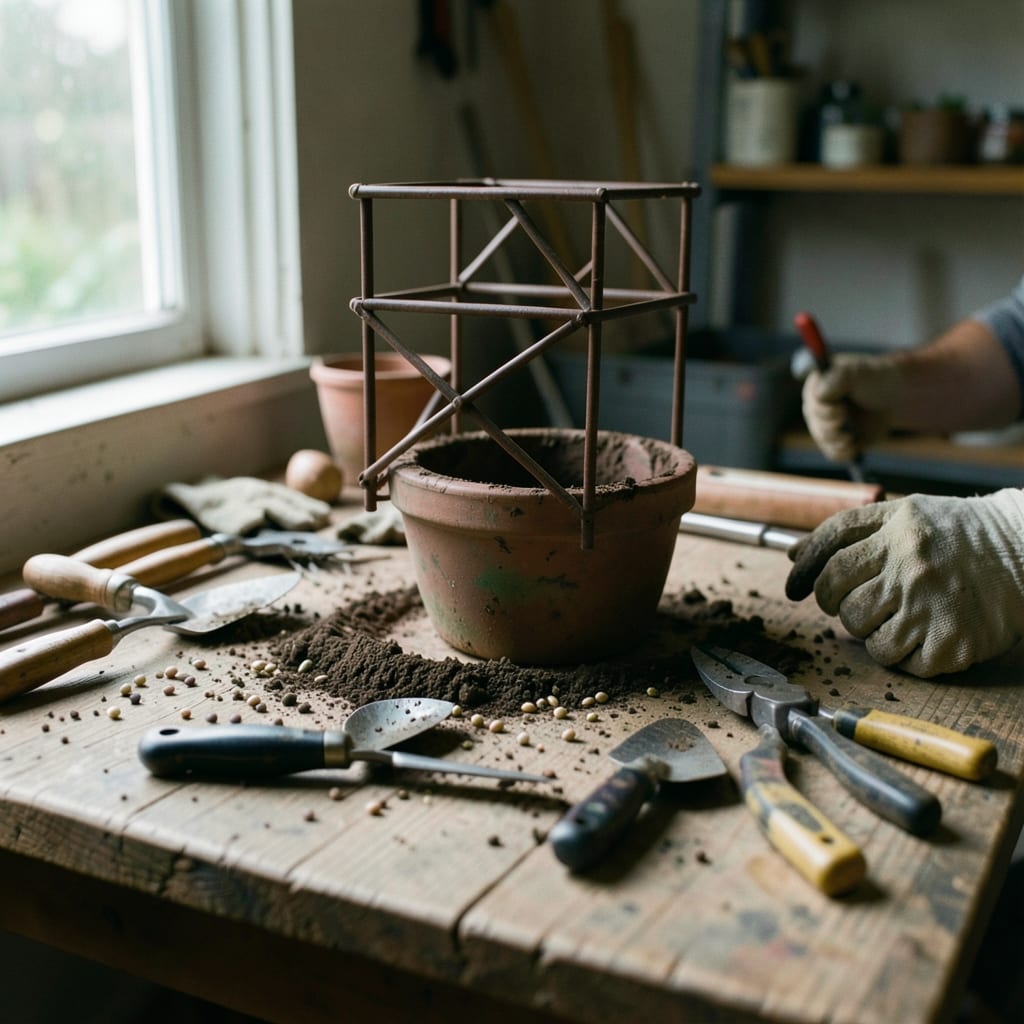
Welcome to Flower Bunch
You’ve planted a seed—maybe it’s a packet of marigolds you tucked into the soil last spring, or a stubborn cutting you rooted in a jar of water—and nothing’s happening.
The instructions said ‘sunlight and patience,’ but the weeks pass, the soil stays dry, and the only thing growing is your frustration.
This is where *Flower Bunch* begins. We don’t tell you what to plant or how to force it.
We dig into the quiet parts of gardening—the ones where the rules bend, where the soil remembers more than you do, and where the slowest stories (the ones that take a year, or a lifetime) are the most rewarding.
Here, you’ll find the lessons we’ve learned: the tricks that actually work, the mistakes that teach, and the small joys that turn a patch of dirt into something alive.
Our story
The first time *Flower Bunch* was needed was in a rented basement apartment in Syracuse, where Gordon Castellano’s windowsill herb garden kept dying—first from too much water, then from not enough light, then from a draft that turned the basil into a sad, crispy fringe. The problem wasn’t the plants.
It was the instructions. Every guide assumed you had a greenhouse, a perfect south-facing window, or at least a thumb that didn’t wilt paper towels.
The fix was a single notebook, scribbled in pencil: *‘Herbs need drainage. Move the pot.’ ‘Tomatoes hate cold feet. Use a heat mat.’ ‘Zinnias self-seed like crazy—save some for next year.’* It wasn’t a garden yet. It was a ledger of what almost worked.
Then, one summer, a neighbor asked about the peppers on the sill. Then another asked about the tomatoes. The notebook became a list. The list became this site.
The turning point was 3:17 AM in July, when a heatwave turned the upstate farm into an oven and Gordon’s first batch of heirloom beans wilted in their pods before they could ripen.
That’s when the real lessons started: how to shade plants with old sheets, how to tell if soil is thirsty or drowned, and why some failures—like the time the squash vines collapsed under their own weight—are just the garden’s way of teaching balance. The site wasn’t born from perfection.
It was born from the dirt under the nails.
What we stand for
We believe gardening is a conversation, not a lecture. The soil doesn’t care about your schedule, and neither do we. Our work is built on four simple truths:
What you will always get here
- Plants that actually grow in your conditions—not someone else’s ‘ideal’ climate.
- Advice that starts with *‘This might not work,’* and ends with *‘Here’s how we fixed it.’*
- The kind of details seed catalogs skip: *‘Your finger should sink into the soil like a spoonful of wet sand.’*
- Stories that end with *‘We’re still learning,’* because the best gardens are the ones that surprise you.
What you will *not* get here is a promise of instant blooms or a one-size-fits-all solution. No ‘miracle’ fertilizers, no ‘guaranteed’ harvests, and no photos of gardens that look like they were staged in a greenhouse.
This is for the rest of us—the people who’ve killed more houseplants than they’ve kept alive, who’ve dug up weeds only to realize they were the good stuff, and who still don’t know the difference between pruning and butchering a tomato plant.
Meet the team
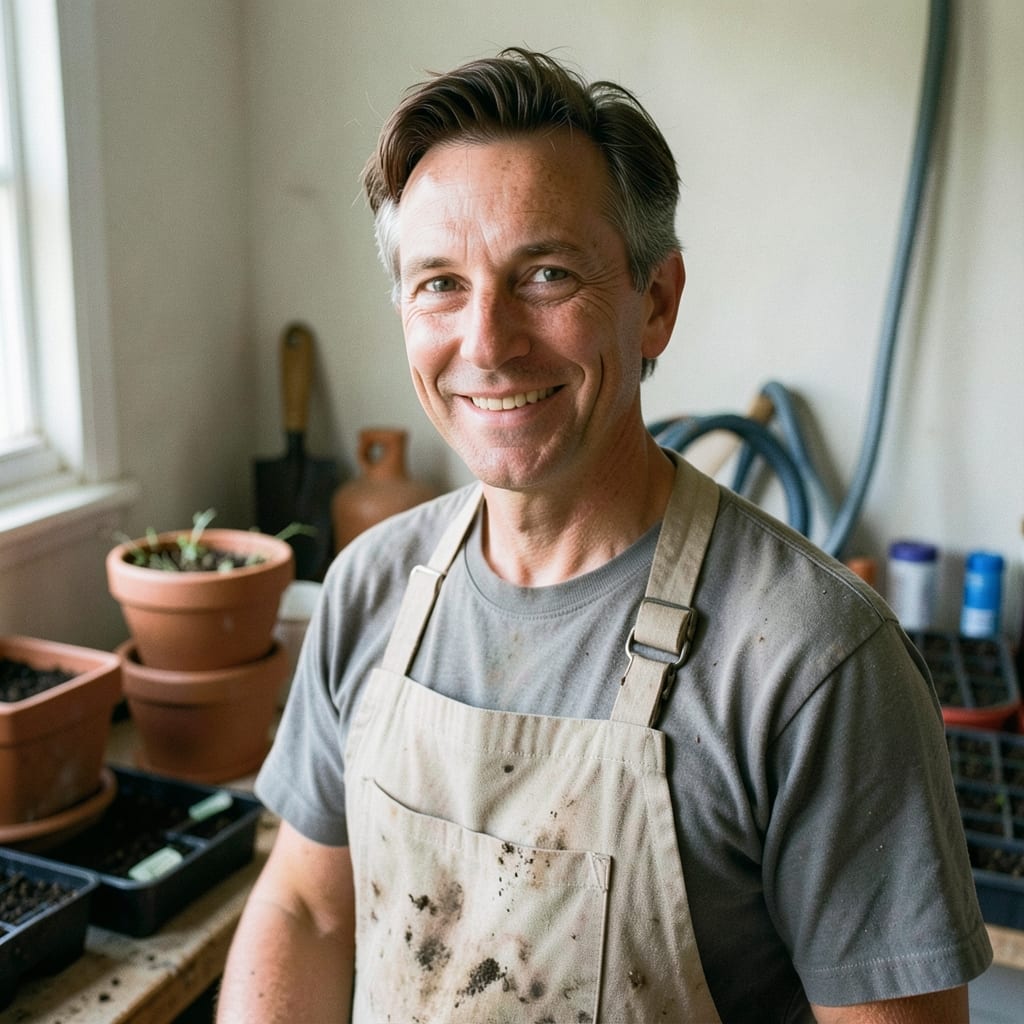
Behind *Flower Bunch* is a small crew of gardeners who’ve all had the same stubborn conversations with the earth: *‘Why won’t you cooperate?’* and *‘What am I doing wrong?’* We’re not botanists or farmers—just people who’ve spent too many hours kneeling in the dirt, wondering why the tomatoes keep cracking or the roses keep getting black spot.
Our backgrounds range from a grandmother’s overwatered ferns to a college balcony that looked more like a jungle than a garden, but the one thing we share is a ledger of what didn’t kill us.
Gordon Castellano
Gordon Castellano is the only writer on *Flower Bunch* who can’t grow cacti without killing them—despite their reputation for being ‘indestructible.’ His work here is shaped by years of running a small family farm in upstate New York, where he learned that gardening is less about following rules and more about reading the land’s moods.
You’ll find his fingerprints in the ‘Troubleshooting’ sections, where he admits to the mistakes that turned his first strawberry patch into a mulch pile and explains how to salvage a crop after a deer decided your beans were a snack.
When he’s not writing, Gordon is either digging up ‘volunteer’ plants (the garden’s way of saying ‘I liked that one, keep it’) or arguing with his grandmother’s old pruning shears, which still have the scars from the time he tried to ‘neaten’ a hydrangea bush into a cube.
His desk is a chaos of seed packets, a half-empty mug of coffee, and a notebook where he scribbles observations like *‘Slugs hate diatomaceous earth but also hate raindrops,’* because the garden’s lessons are too good to forget.
I still plant too many seeds. Every year, I swear I’ll be ‘more strategic,’ and every year, I end up with a windowsill full of sad, leggy seedlings that need to be thinned. But here’s the thing: the ones that survive? They’re the toughest. And that’s the kind of plant I want in my garden—the ones that refuse to quit.
Gordon Castellano
How we create our content
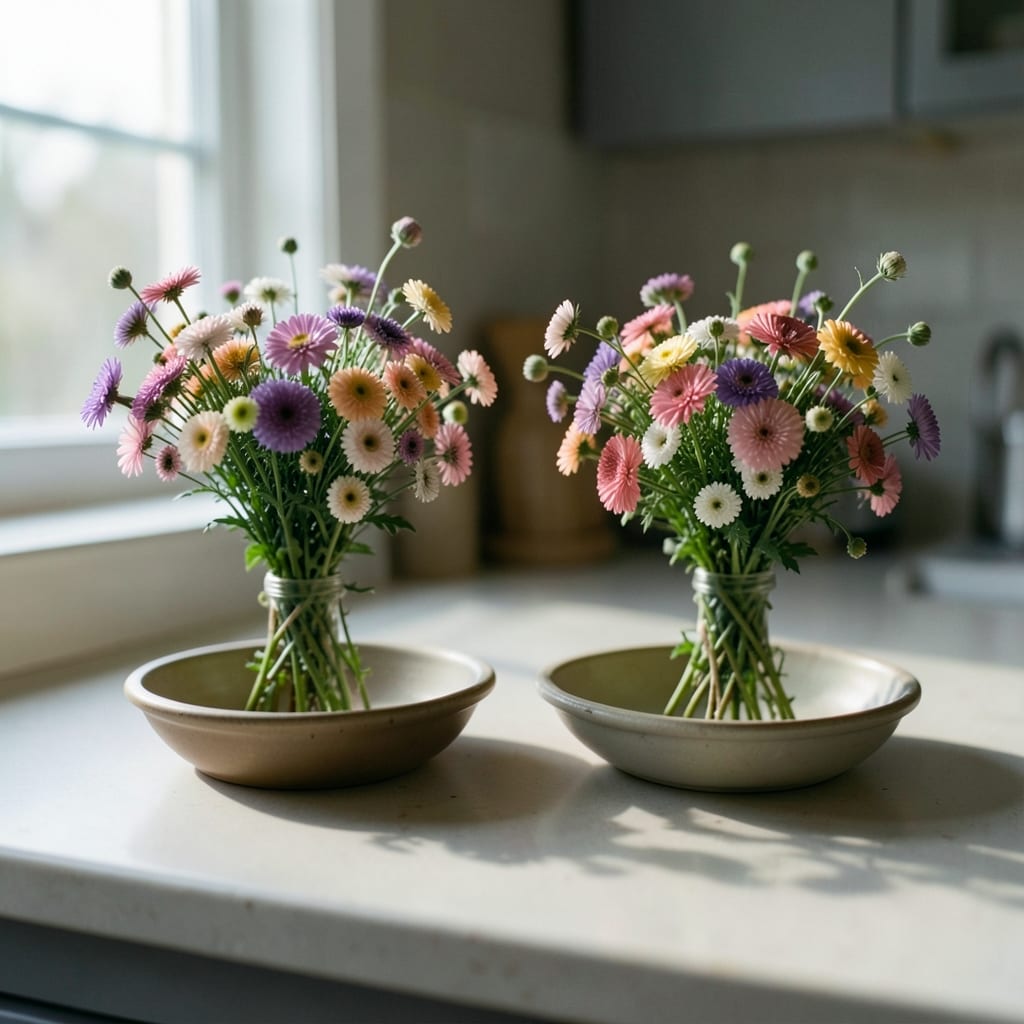
Every piece on *Flower Bunch* starts with a question someone asked—or one we asked ourselves after a particularly frustrating day in the garden.
It might be a reader wondering why their peppers are bitter, or Gordon staring at a wilted zucchini vine and thinking, *‘I gave you enough water.’* The research isn’t done in libraries.
It’s done in the dirt: testing soil pH with a cheap kit, timing how long it takes for a seedling to ‘harden off,’ and counting the days until a saved seed packet finally sprouts.
The first draft
The first step is always the messy one. We plant (or repot, or divide) whatever the topic demands—whether it’s a single marigold seed to test germination times or a half-dozen basil plants to compare growth under different light conditions.
No shortcuts: if the guide says ‘full sun,’ we set up a timer to track how many hours of direct light the windowsill actually gets. If the soil feels ‘damp but not soggy,’ we stick a finger in it until it’s clear whether we’re over- or under-watering.
Quantities matter. A ‘pinch of fertilizer’ becomes *‘one teaspoon per gallon of water,’* because the garden doesn’t care about vague measurements. We weigh compost by the pound, measure rainfall in inches, and time wilting in hours. The first draft is always a ledger: *‘Day 1: planted. Day 3: nothing.
Day 5: mold.’* No pretty photos yet. Just data.
The fix
The second step is where the garden talks back. If the basil bolts (sends up a flower stalk too early), we adjust the light. If the tomatoes crack, we check the calcium. If the zucchini leaves turn yellow, we test the soil pH—again. The fixes aren’t always elegant.
Sometimes it’s a bucket of rainwater instead of tap. Sometimes it’s moving the pot to the shade. Sometimes it’s admitting that the ‘heirloom’ tomato you swore by is just bad at your altitude.
We don’t stop until the plant (or the reader) gets it right. That might mean rewriting the instructions three times, or testing a ‘failed’ method one more time with a different soil mix. The goal isn’t perfection.
It’s proof: *‘This worked in Syracuse in July, but in Phoenix, you’ll need to water at dawn.’* The final version is what survives the garden’s honesty.
Join our community
This isn’t a site where you read and forget. It’s a place where your questions get answers—even the ones that make you sound like a beginner.
Ask why your roses keep getting black spot, or how to tell if your soil is too alkaline, or whether you can really grow tomatoes in a 5-gallon bucket. The best suggestions become new topics, and the best failures become case studies (with photos).
If you’ve got a garden story—successful or spectacularly not—we want to hear it. The only rule? Be specific. *‘My ferns are dying’* won’t get a reply. *‘I’ve got Boston ferns in a north-facing window, watered every other day, and the fronds are turning brown at the tips’* will.
Let's connect
We love hearing about the gardens you’re building—whether it’s a single pot on a fire escape or an acre of heirlooms.
Send us your weirdest garden victories, your most stubborn failures, or even the plants you’ve named (we’ve met a basil called ‘Sir Regal’ and a tomato plant that insisted on being called ‘The Emperor’).
If you’ve got a question that’s been gnawing at you, or a tip that saved your season, the contact page is where it belongs. Think of us as the neighbors you’d invite over for a cup of tea and a story about the time the cucumbers took over the trellis.
The guides are grouped by category: Advice, Aphids, Blooming, Companion Plants, Container Gardens and Diseases.