
Flowers
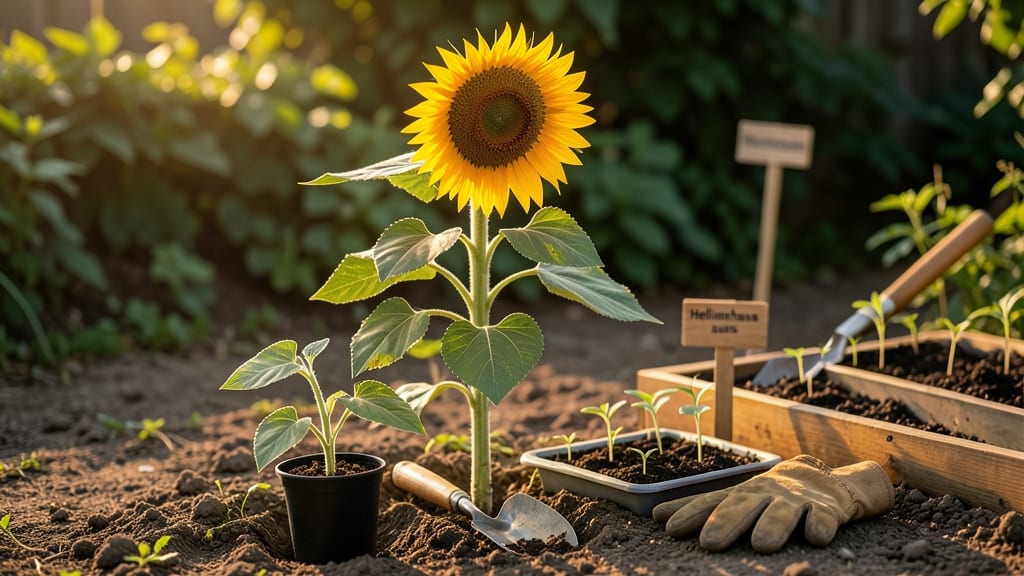
To plant sunflowers in North Carolina at the perfect time means catching that narrow window between frost and summer heat—mid-April to mid-June for spring blooms or late August to early September for fall color.
Sunflowers bring bold beauty to North Carolina gardens—but planting them at the wrong time can mean wilted dreams before they even bloom. Timing is everything, especially when frost dates and elevation zones shift from the mountains to the coast.
Whether you're in the Piedmont’s 7b zone or the mountains’ 6b, soil temperature and frost risk dictate when to drop those seeds. Get it right, and you’ll have towering 🌻 stalks by July.
Miss the mark, and you might end up with leggy, weak plants that never reach their full potential.
Here’s how to nail the timing, from soil prep to variety choices, so your sunflowers thrive—no matter where in the state you’re gardening.
North Carolina sunflower planting dates by USDA hardiness Zones (5-8)
North Carolina’s diverse climate—from the cool mountainous west to the humid coastal plains—means sunflower planting dates vary dramatically. In Zone 5a/5b (high elevations like Boone), you’ll need to wait until late spring, while Zone 8a/8b (coastal areas like Wilmington) offers a longer growing season.
Getting the timing right ensures your sunflowers reach their full 6-16-foot glory instead of succumbing to frost or heat stress.
Sunflowers thrive in warm soil temperatures (at least 55°F) and full sun (6+ hours daily). Planting too early risks frost damage, while waiting too long may shorten bloom time.
Below, I’ve broken down the optimal planting windows for each USDA zone, including first frost risks and soil prep tips tailored to NC’s regions.
| USDA Zone | Last Frost Date | First Frost Date | Ideal Planting Window | Soil Temp for Germination | Best Varieties |
|---|---|---|---|---|---|
| 5a/5b (Mountains: Asheville, Boone) | Mid-May | Late September | Late May – Early June | 55°F+ (wait for warm nights) | 'Autumn Beauty', 'Teddy Bear' |
| 6a/6b (Piedmont: Greensboro, Winston-Salem) | Early April | Mid-October | Mid-April – Mid-May | 55°F+ (soil warms faster) | 'Moulin Rouge', 'ProCutor' |
| 7a/7b (Central NC: Raleigh, Charlotte) | Mid-March | Late October | Early April – Early June | 50°F+ (can start earlier) | 'Russian Giant', 'Sunspot' |
| 8a/8b (Coastal Plains: Wilmington, Fayetteville) | Early March | Early November | Mid-March – Mid-June | 50°F+ (longer growing season) | 'Mammoth', 'Evening Sun' |
In Zone 5a/5b, the mountain regions have the shortest growing season, so aim for late May planting to avoid early fall frosts. Use dwarf varieties like 'Teddy Bear' (2-4 ft) if your season is extra short.
These areas also benefit from black plastic mulch to warm the soil faster and extend the season by 2-3 weeks.
For Zones 6a-7b (Piedmont and central NC), you’ve got flexibility. Plant in early spring (April) for summer blooms or try a fall planting in late August for autumn color.
The soil warms quickly here, so you can start seeds indoors 4-6 weeks before the last frost if you’re eager to get a head start.
Gardeners in Zone 8a/8b (coastal plains) can push the envelope with early March plantings or even fall sowings in September for winter interest. The humid heat of this region suits tall varieties like 'Mammoth' (12-16 ft), but watch for aphids and powdery mildew—spray with neem oil preventatively if needed.
Pro tip: Always test your soil temperature with a soil thermometer before planting. Sunflower seeds won’t germinate below 55°F, and cool nights can stunt growth. If your soil is still chilly, opt for container growing near your house to capture residual heat from walls.
One common mistake is planting sunflowers too close to the last frost. Even if the air warms up, a late frost can kill young seedlings.
In Zone 5a/5b, wait until nighttime temperatures stay above 50°F consistently. Use row covers for extra protection if early blooms are in the forecast.
For succession planting, sow new seeds every 2-3 weeks in spring to enjoy blooms all summer. In Zones 7b-8a, you can even stagger plantings into early June for late-summer flowers. Just remember: sunflowers need plenty of space—thin seedlings to 12-24 inches apart depending on the variety.
Finally, consider your sunflower variety when choosing a planting date. Dwarf varieties (like 'Teddy Bear') mature faster (50-60 days) and can handle cooler temps better, while giant varieties (like 'Russian Giant') need a longer season (100+ days) and should only be planted in Zones 7a and warmer.
With these zone-specific guidelines, your sunflowers will thrive from the mountains to the sea. Happy planting—your bold yellow blooms will be the talk of the neighborhood! 🌻
How elevation affects sunflower growth in NC’s mountain vs. Piedmont regions
North Carolina’s dramatic elevation shifts—from the Blue Ridge Mountains to the Piedmont plains—create wildly different growing conditions for sunflowers. In Asheville (USDA Zone 7a), cooler nights and shorter growing seasons demand earlier planting, while Raleigh (Zone 7b) enjoys longer summers perfect for heat-loving varieties.
At higher elevations like Boone (Zone 6b), sunflowers face a 60-day shorter growing season than Wilmington’s coastal plains. This means choosing fast-maturing varieties (like ‘Autumn Beauty’) and planting 2-3 weeks earlier to avoid frost. Meanwhile, in the Piedmont, you can afford to wait until mid-May for warmer soil temperatures.
In the mountains, soil warms slower due to higher elevations, so use black plastic mulch to raise temperatures by 5–10°F. Coastal gardeners, meanwhile, should watch for humidity-related fungal diseases like powdery mildew—opt for spaced planting and air circulation.
For fall blooms, Piedmont gardeners can plant seeds as late as August 15, while mountain growers should stick to late July to avoid early frosts. Coastal areas benefit from longer daylight hours, allowing second plantings in early September for late-season color.
Pro tip: Use a soil thermometer—sunflowers need soil at 55°F+ to germinate. In the mountains, this might not happen until mid-May, while Piedmont soils hit this mark by early April. Adjust your timeline accordingly to avoid seed rot in cold, wet soil.
Finally, wind exposure differs by region. Mountain sunflowers may need staking for tall varieties, while coastal plants benefit from windbreaks to prevent lodging. Choose varieties based on your microclimate for healthier, happier sunflowers all season long. 🌻