
Pests
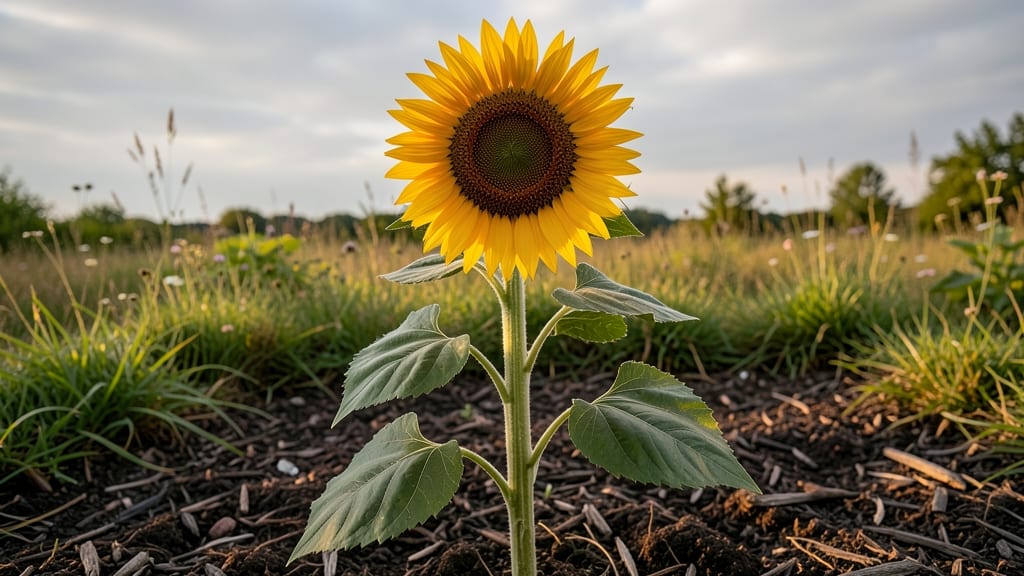
Growing the largest sunflower heads means chasing a 20-pound bloom that could win county fairs and turn heads in your garden 🌻.
Imagine a sunflower so massive its head weighs over 20 pounds—now picture growing one yourself. The world’s largest sunflower varieties aren’t just a spectacle; they’re a testament to nature’s potential when guided by the right techniques.
Most gardeners settle for 6-inch blooms, but with the right sunflower variety—like 'Mammoth Russian'—and a few key tricks, you can push those heads toward record sizes. The secret lies in soil nutrition, watering discipline, and even pruning at the right time.
In this guide, I’ll walk you through selecting the biggest-yielding varieties, optimizing your planting window in Zone 6, and avoiding the common mistakes that keep sunflowers from reaching their full potential.
World record sunflower varieties: the biggest heads ever grown
If you’ve ever dreamed of growing a sunflower so massive it could feed an entire family, you’re not alone. The world’s largest sunflower varieties push the boundaries of what’s possible in your garden.
These giants aren’t just impressive—they’re a showcase of nature’s potential when paired with the right cultivation techniques. The 'Mammoth Russian' variety currently holds the Guinness World Record for the largest sunflower head, weighing in at a staggering 20.5 pounds.
Growing these giants requires more than just space—it demands optimal growing conditions, nutrient-rich soil, and consistent care. Whether you’re a seasoned gardener or a beginner eager to try something extraordinary, these record-breaking varieties offer a thrilling challenge.
Let’s explore the champions and how you can grow them in your own backyard.
Comparison of Record-Breaking Sunflower Varieties
The 'Mammoth Russian' variety isn’t just a record-breaker—it’s a powerhouse in your garden. Its massive 36-inch head and 20.5-pound weight make it a standout, but don’t let its size intimidate you. With the right soil preparation and nutrient balance, you can coax even larger blooms from your own plants.
This variety thrives in loose, fertile soil with plenty of phosphorus and potassium to support its massive growth.
For those who prefer a slightly smaller but still impressive giant, the 'Americanism' variety offers a 28-inch head and 12.5-pound weight. It’s a favorite among competitive growers because of its consistent performance and disease resistance.
If you’re aiming for a Guinness World Record attempt, this variety is a solid choice for beginners and experts alike.
Sourcing seeds for these giants is easier than ever. Reputable seed companies like Baker Creek Heirloom Seeds and Burpee Seeds offer high-quality seeds that are open-pollinated, meaning you can save seeds from your own plants for future seasons.
Always opt for heirloom or non-GMO seeds to ensure the best germination rates and growth potential.
When planting these giants, give them plenty of space to spread. A 12-inch diameter planting hole filled with compost-rich soil will give their roots the room they need to support their massive heads.
Water deeply twice a week during the growing season, ensuring the soil stays moist but not waterlogged. Overwatering can lead to root rot, which will stunt growth and reduce head size.
One of the most exciting aspects of growing these giants is the competitive spirit they inspire. Many gardeners enter their sunflowers in local and national competitions, where judges evaluate head size, weight, and overall health.
If you’re feeling ambitious, consider joining the National Sunflower Association or local gardening clubs to connect with other enthusiasts and learn from their experiences.
Remember, growing a world-record sunflower isn’t just about the size—it’s about the
Science-backed secrets to growing giant sunflower heads
To grow the largest sunflower heads, you need more than just good luck—you need a science-backed approach. The difference between a 6-inch bloom and a 20-pound monster lies in precise cultivation. Start with well-draining soil rich in organic matter, like composted manure or aged compost.
Sunflowers thrive in loamy soil with a pH between 6.0 and 7.5, so test your soil before planting to avoid nutrient deficiencies.
Next, focus on sunlight exposure. Sunflowers demand full sun (6-8 hours daily), but for giant blooms, aim for 8+ hours of direct sunlight. Plant in the earliest spring window (after last frost, around April 15 in Zone 6) to maximize the growing season.
A south-facing location ensures the most sunlight, but avoid shaded areas where heads will shrink.
Now, let’s dive into the step-by-step process that separates average blooms from record-breakers. Follow this checklist to ensure your sunflowers reach their full potential:
Soil Prep: Boost Nutrients for Giant Blooms
Amend soil with 50% compost and 20% bone meal (high in phosphorus for blooms). Mix in 1 tbsp of 10-10-10 fertilizer per hole at planting.
Watering: Deep and Consistent
Water 1-2 gallons per plant in the morning (before 10 AM) to prevent fungal diseases. Increase to 2 gallons every 2-3 days during peak summer growth.
Sunlight Optimization: Extend Daylight Hours
Use reflective mulch (white plastic) around plants to bounce extra sunlight onto leaves. Rotate plants weekly to ensure even exposure.
Pruning: Remove Side Buds Early
Pinch off side buds when stems are 12 inches tall to redirect energy to the main bloom. Avoid over-pruning—leave 2-3 leaves per node.
Fertilizing: Mid-Season Boost
Apply a second dose of 10-10-10 fertilizer when plants are 3 feet tall. Switch to low-nitrogen fertilizer (like 5-10-10) at flowering stage to prevent leafy growth.
Support: Stake Tall Varieties
Use 3-foot stakes for varieties over 10 feet to prevent lodging. Tie stems loosely with soft plant ties every 2 feet.
One of the biggest mistakes is overwatering during flowering. Too much moisture can cause bloom rot or splitting heads. Instead, water deeply but reduce frequency slightly when buds form. Monitor soil moisture—1 inch of water per week is ideal during this stage.
Finally, harvest at peak maturity. The back of the head should turn fully yellow, and petals should droop slightly. Cut stems at a 45-degree angle to encourage water uptake during drying. Hang heads upside down in a well-ventilated, dry space for 2-3 weeks to preserve size and weight.
With these science-backed techniques, your sunflowers will grow heads so massive they’ll steal the show at your local fair—and maybe even set a new record! 🌻