
Flowers
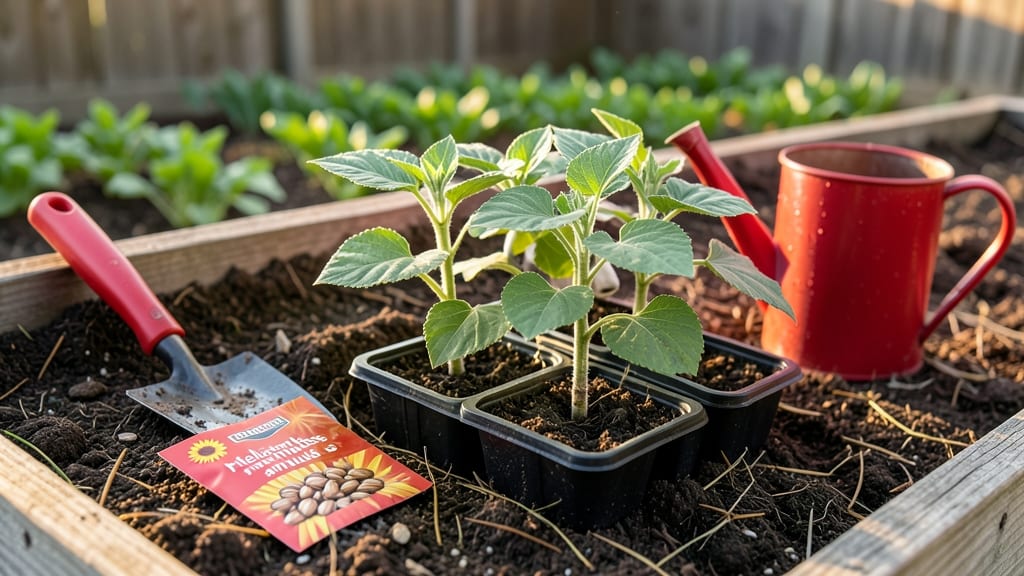
Planting sunflowers in California at the right time ensures those towering 🌻 blooms you dream of—whether you’re in frost-free coastal zones or hot inland valleys, timing makes all the difference.
Sunflowers thrive in California’s diverse climates—but planting them at the wrong time can mean wilted dreams instead of towering blooms. Whether you’re in frost-prone coastal areas or scorching inland valleys, timing is everything for a bountiful harvest.
Coastal gardeners in USDA Zones 9-10 can plant year-round, while inland growers in Zones 7-9 should aim for late winter to early spring. The key? Avoiding late frosts (which can kill seedlings) and aligning with soil warmth for faster germination.
Below, I break down the exact months for each region, soil prep tricks, and how to stretch your sunflower season—whether you want giant varieties or quick-blooming dwarfs. Ready to grow sunflowers that reach for the sky?
California sunflower planting calendar by USDA zone
California’s diverse microclimates mean sunflowers can thrive year-round in coastal areas but need precise timing in inland valleys. The key? Matching your USDA zone to soil temperatures and frost-free dates.
In Zone 9-10 coastal regions, mild winters allow planting almost anytime, while Zone 7-8 inland areas demand careful timing to avoid frost damage. Let’s break down the perfect planting windows for each zone to ensure your sunflowers reach their full 6-16 foot potential.
For coastal gardeners (Zones 9-10), the ideal planting window spans from late winter to early fall. Soil temperatures above 50°F trigger germination, and with no frost risk, you can even sow seeds in December or January for early spring blooms.
In contrast, inland gardeners (Zones 7-8) must wait until after the last frost date, typically mid-February to mid-March, to avoid stunted growth. Understanding these differences ensures your sunflowers get a 60-90 day head start before summer heat peaks.
Soil temperature is the hidden hero of sunflower success. Seeds need consistent warmth (at least 60°F) to sprout reliably. Coastal areas hit this mark by early February, while inland regions may not reach it until late March. Use a soil thermometer to confirm readiness—cold soil delays germination by weeks. Pro tip: Mulch with straw to warm the soil faster in cooler zones. This simple step can shave 10-14 days off your growing season.
Here’s your zone-specific planting calendar, including frost-free dates, soil temp targets, and germination windows to maximize your sunflower harvest:
| Zone & Region | Last Frost Date | Ideal Planting Window | Soil Temp for Germination | Germination Time | Harvest Window |
|---|---|---|---|---|---|
| Zone 9-10 (Coastal: SF, LA, San Diego) | None (year-round) | Jan–Apr, Sep–Nov | 50–60°F | 5–10 days | May–Oct, Dec–Jan |
| Zone 8 (Inland: Sacramento, Fresno) | Feb 15–Mar 15 | Mar–May | 60–70°F | 7–14 days | Jun–Sep |
| Zone 7 (High Desert: Palm Springs) | Jan 15–Feb 15 | Feb–Apr | 65–75°F | 10–14 days | May–Aug |
| All Zones (Fall Planting) | N/A | Aug–Sep (coastal only) | 60°F+ | 7–10 days | Nov–Dec |
For coastal gardeners, the January–April window is prime for spring blooms, while a September–November planting yields winter sunflowers that brighten gray days. Inland areas should focus on March–May to avoid early-season frosts. A little-known trick: Direct-sow seeds 1 inch deep and 6 inches apart
Coastal vs inland sunflower growth challenges & solutions
California’s coastal and inland regions offer wildly different growing conditions for sunflowers. In coastal areas like San Francisco or Santa Barbara, cool ocean breezes and high humidity create challenges like powdery mildew and slower growth, while inland valleys such as the Central Valley face intense heat and drought stress.
Understanding these differences is key to choosing the right varieties and care strategies for your location.
The biggest divide comes down to water needs and heat tolerance. Coastal sunflowers need consistent moisture but must avoid soggy soil, while inland varieties crave deep watering but can’t handle waterlogged conditions.
Let’s break down the specific challenges and solutions for each microclimate to ensure your sunflowers thrive from seed to bloom.
Coastal vs Inland Sunflower Growth Comparison
| Factor | Coastal (Zones 9-10) | Inland (Zones 7-9) |
|---|---|---|
| Water Needs | Moderate (avoid soggy soil) | Deep (drought-tolerant once established) |
| Heat Tolerance | Moderate (cooler temps) | High (needs shade in peak summer) |
| Pest Risks | Powdery mildew, slugs | Aphids, beetles, drought stress |
| Best Varieties | 'Teddy Bear' (dwarf), 'Moulin Rouge' | 'Russian Giant', 'Autumn Beauty' |
| Soil Prep | Well-draining, compost-rich | Loamy, amended with sand |
| Planting Time | Year-round (avoid winter) | Late Feb–early April |
For coastal gardeners, focus on dwarf varieties like 'Teddy Bear' to avoid wind damage and prioritize airflow to prevent mildew. Space plants 12–18 inches apart and use mulch to retain moisture without suffocating roots.
Inland growers should opt for tall varieties like 'Russian Giant' and plant in late winter to escape summer’s peak heat.
Inland sunflowers need morning watering to reduce evaporation and protect against aphid infestations. Coastal plants, however, benefit from afternoon shade cloth during humid spells. Both regions should avoid over-fertilizing with nitrogen—it promotes leafy growth at the expense of flower production.
Instead, use a balanced 5-10-10 fertilizer to encourage blooms.
Pests are another critical difference: coastal areas battle slugs and mildew, while inland gardens face beetles and drought stress. Use neem oil for mildew-prone coastal plants and row covers for inland seedlings to deter pests.
Regularly inspect leaves for early signs of damage, and remove affected foliage immediately to prevent spread.
By tailoring your approach to your microclimate, you’ll unlock sunflower success whether you’re in cool coastal gardens or hot inland valleys.
Experiment with varieties and care strategies to find what works best for your unique growing conditions—your sunflowers will thank you with vibrant blooms that reach for the sky! 🌻