
Light Requirements
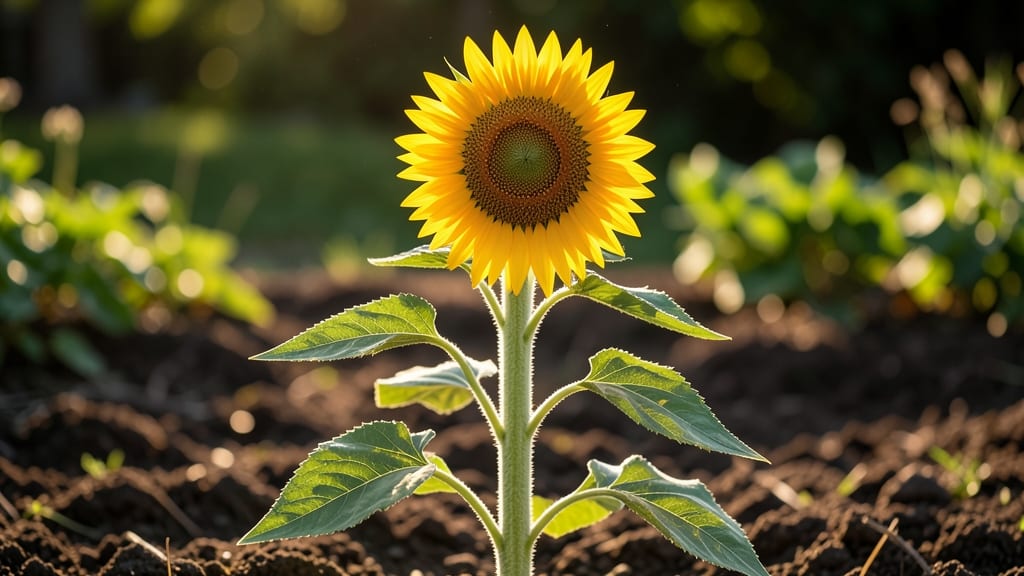
Sunflowers have specific sun requirements to grow tall, strong, and vibrant 🌻 — and cutting that time short can turn your towering dreams into leggy disappointments.
Picture this: you’ve planted your seeds in April, watered them faithfully, and watched them sprout—only for them to stretch toward the sky like they’re reaching for something they can’t quite grasp.
That “something”? Sunlight. Without enough of it, your sunflowers won’t just fail to bloom; they’ll fight just to stay upright.
But here’s the good news: even if your garden isn’t bathed in full sun all day, there are ways to give your sunflowers the light they crave.
Whether you’re dealing with partial shade or just need to maximize their exposure, this guide will help you avoid common mistakes and keep your 🌻 thriving from seedling to showstopper.
You’ll learn exactly how many hours of sun your sunflowers need at each growth stage, how to spot the signs of light deprivation, and even how to tweak your garden layout for the best results. Let’s get those stems sturdy and those blooms bright!

How many hours of sun do sunflowers need for optimal growth?
Sunflowers are some of the sunniest plants in your garden, but their sunlight needs vary dramatically depending on the variety and growth stage. While most sunflowers thrive in full sun (6-10 hours daily), dwarf varieties can tolerate slightly less light.
Understanding these requirements is key to growing vibrant blooms and tall stems instead of leggy, weak plants.
The photosynthesis efficiency of sunflowers peaks under direct sunlight, which is why they grow so fast and tall. Their large, broad leaves capture maximum light energy, fueling rapid stem elongation and flower production.
Even a few hours less sunlight can lead to stunted growth or poor flowering, so let’s break down exactly what your sunflowers need at each stage.
| Sunflower Type | Sunlight Needs | Growth Stage Requirements | Key Signs of Deficiency |
|---|---|---|---|
| Giant Varieties (e.g., 'Mammoth', 'Russian Giant') | 8-10+ hours | Seedlings: 4-6 hours; Mature: 8-10+ hours | Yellowing leaves, weak stems, delayed flowering |
| Semi-Dwarf Varieties (e.g., 'Teddy Bear', 'ProCut') | 6-8 hours | Seedlings: 3-4 hours; Mature: 6-8 hours | Pale leaves, slow growth, small blooms |
| Dwarf Varieties (e.g., 'Sunspot', 'Pocket Sun') | 4-6 hours | Seedlings: 2-3 hours; Mature: 4-6 hours | Stunted height, sparse foliage, no buds |
| All Varieties (Critical Stage) | 6+ hours (Bud Formation) | Bud formation: 6+ hours daily for blooms | No flower buds, elongated stems, weak structure |
For giant sunflower varieties, like 'Mammoth' or 'Russian Giant', aim for 8-10+ hours of sunlight daily. These towering beauties need maximum light to support their 10-14 foot stems and massive flower heads.
If you notice yellowing leaves or weak stems, they’re likely not getting enough light, especially during the bud formation stage.
Semi-dwarf varieties, such as 'Teddy Bear' or 'ProCut', are more adaptable and thrive with 6-8 hours of sunlight. These are great for gardeners with slightly shadier spots or for container gardening.
However, even semi-dwarfs will show signs of stress if they receive less than 4 hours of direct light, like pale leaves or slow growth.
Dwarf sunflowers, like 'Sunspot' or 'Pocket Sun', are the most forgiving when it comes to sunlight. They can tolerate 4-6 hours of sun but will still perform best with more light. These varieties are perfect for urban gardens or small containers where space is limited.
If you notice stunted height or no buds, they’re likely not getting enough light to trigger flowering.
During the seedling stage, sunflowers need slightly less light—around 3-6 hours daily. This is because their delicate leaves can get sunburned if exposed to too much direct sunlight too soon. Once they reach 4-6 inches tall, gradually increase their sunlight exposure to full sun conditions.
The bud formation stage is the most critical for sunlight. Sunflowers need 6+ hours of direct light daily during this phase to produce vibrant blooms. Without enough light, they may produce no flower buds or develop elongated, weak stems.
This is also when you’ll see the biggest difference between sunflower varieties—giant types need the most light, while dwarfs can manage with slightly less.
If you’re growing sunflowers in containers or urban settings, prioritize placing them in the sunniest spot available. South-facing windows or balconies are ideal, as they receive the most direct sunlight throughout the day.
Even a few hours less than the recommended sunlight can lead to poor flowering or weak stems, so choose your planting location carefully.
One common mistake gardeners make is assuming that partial shade will work for sunflowers. While some varieties can tolerate 3-4 hours of shade per day, they’ll never reach their full potential.
If you’re in a shady garden, consider growing dwarf varieties or supplementing with a grow light during the budding stage.
To maximize your sunflowers' growth, monitor their sunlight exposure and adjust their location if needed. If you notice leggy stems or pale leaves
Signs your sunflowers aren’t getting enough sun (and how to Fix it)
If your sunflowers are stretching taller than a basketball hoop but producing tiny buds, they’re begging for more sunlight 🌻. Sunflowers need 6-10 hours of direct sun daily to grow strong stems and vibrant blooms.
Without enough light, they’ll prioritize reaching upward over flowering, leaving you with a garden full of leggy stalks and no showstopping blooms.
Even partial shade can trick sunflowers into thinking they’re in a race to the sky. When they don’t get enough light, their leaves turn pale, their stems weaken, and their energy goes into growing taller instead of blooming.
The good news? With a few adjustments, you can give your sunflowers the light they crave—even in urban or shaded gardens.
🚨 callout warning 🚨
Sunflowers are heliotropic, meaning they follow the sun’s movement. Without 6+ hours of direct light, they’ll develop:
- Leggy stems (weak, prone to falling)
- Pale, yellow leaves (chlorosis from poor photosynthesis)
- No buds (energy spent on height, not blooms)
Start by checking your sunflowers’ stem thickness and leaf color. Healthy sunflowers have thick, sturdy stems and deep green leaves. If yours are thin and pale, they’re not getting enough light.
Another red flag? No flower buds after 6-8 weeks of growth. Sunflowers need sunlight to trigger blooming, so if they’re just growing taller, they’re not getting the light they need.
For urban gardeners or those with shaded yards, try planting sunflowers near south-facing walls or using reflective mulch (like white gravel) to maximize light. If you’re growing in containers, place them on a sunny balcony or move them throughout the day to follow the sun’s path.
Even 3-4 extra hours of sun can make a huge difference in stem strength and bloom production.
If your sunflowers are already too tall and weak, don’t despair—you can still save them! Prune the top few inches of leggy stems to encourage bushier growth and more buds. This won’t make them as tall, but it’ll help them produce smaller but healthier blooms.
For future plantings, choose dwarf varieties like ‘Teddy Bear’ or ‘Moulin Rouge,’ which tolerate partial shade better than giant types.
Remember, sunflowers are resilient, and even a few hours less sunlight won’t kill them—but it’ll keep them from reaching their full potential. With these fixes, you’ll be on your way to a garden full of bold, golden blooms that turn heads all summer long! 🌻