
Plants
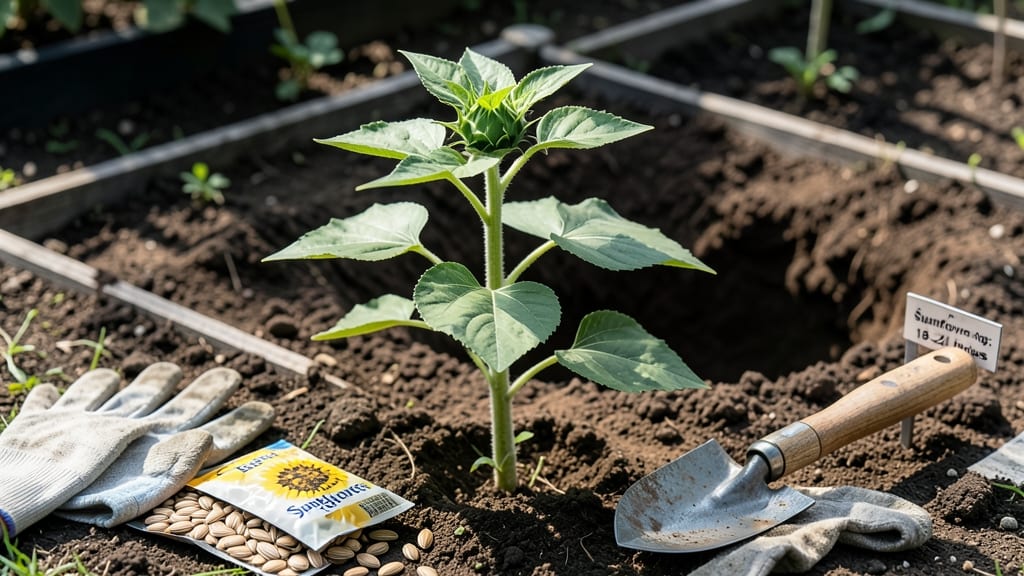
Plant sunflower seeds in Tennessee between mid-April and late June 🌻 to catch the full growing season before fall frosts hit.
Sunflowers are Tennessee’s cheerful summer stars—but planting them at the wrong time can mean wilted dreams instead of towering blooms. Timing is everything, and knowing your county’s frost-free zone could mean the difference between a thriving sunflower patch and a sad, stunted garden.
Tennessee’s climate varies from the cooler mountains of East Tennessee to the warmer valleys of Middle Tennessee, so your local frost dates matter more than the USDA zone alone.
A two-week window can separate a bumper crop from a bust, and I’ve learned that the hard way with my own patch of giant sunflowers.
In this guide, I’ll break down the exact planting windows for your region, the best sunflower varieties for Tennessee’s short season, and how to adjust for soil type and microclimates. By the end, you’ll know not just when to plant, but how to set your seeds up for success.
Tennessee’s frost-free deadlines by heat zone: exact planting windows for sunflower seeds
Sunflowers thrive in Tennessee’s warm summers, but their 120- to 150-day growing season demands precise timing. Plant too early, and frost will nip tender seedlings. Plant too late, and your giant sunflowers won’t reach maturity before fall frosts.
The key is knowing your USDA heat zone and local frost dates—which can vary by two weeks across the state.
Tennessee spans USDA zones 6a to 8a, with East Tennessee’s mountains (zone 6a) experiencing later last frosts than Middle Tennessee’s valleys (zone 7a-8a). For example, Nashville (zone 7a) typically has a last frost around April 15, while Chattanooga (zone 7b) averages April 20.
These differences mean your planting window could shift by one full month depending on where you live.
Here’s the critical rule: Plant sunflower seeds 2-3 weeks after your last frost date to ensure soil temperatures reach at least 55°F—the minimum for germination.
In cooler zones like Johnson City (6a), this might mean waiting until May 1, while Memphis (7b) gardeners can start as early as April 1.
Below is your region-specific planting timeline to maximize sunflower growth before Tennessee’s first fall frost, usually arriving between October 15 and November 1.
📋 Summary Table: Tennessee Sunflower Planting Deadlines by Heat Zone
| USDA Zone | Last Frost Date | Ideal Planting Window | First Frost Risk | Notes |
|---|---|---|---|---|
| 6a (East TN: Johnson City, Bristol) | April 20–May 1 | May 15–June 15 | October 20–November 1 | Short season; choose fast-maturing varieties. |
| 6b (Northeast TN: Knoxville) | April 10–April 25 | April 30–June 10 | October 10–October 25 | Mountain microclimates may delay frost by 1–2 weeks. |
| 7a (Middle TN: Nashville, Murfreesboro) | April 1–April 15 | April 15–June 30 | October 15–October 30 | Longest growing season; ideal for tall varieties. |
| 7b (Southwest TN: Chattanooga, Memphis) | March 25–April 10 | April 1–July 1 | October 30–November 15 | Urban heat islands extend season by 7–10 days. |
| 8a (Far West TN: Jackson) | March 10–March 25 | March 20–July 15 | November 1–November 15 | Late frosts rare; can plant as late as June. |
For direct-sowing (planting seeds directly in the ground), aim to finish by June 1 in most of Tennessee to ensure sunflowers mature before frost. In zone 8a, you can push this to July 1, but avoid planting after August 1—even fast varieties won’t reach harvest before fall.
My personal tip: Use a soil thermometer to confirm
How to adjust sunflower planting for Tennessee’s microclimates and soil types
Tennessee’s diverse landscapes—from the clay-heavy soils of Middle Tennessee to the mountain microclimates of East Tennessee—demand tailored sunflower planting strategies. I’ve found that ignoring these differences can lead to stunted growth or early bolting, especially in urban heat islands where pavement absorbs heat.
The key is adapting your approach to match your local conditions.
For Middle Tennessee’s clay soils, amending with compost or sand improves drainage, while East Tennessee’s cooler mountain regions benefit from starting seeds indoors or choosing early-maturing varieties. Urban gardens, on the other hand, often face intense afternoon heat, requiring afternoon shade cloth or mulch to prevent stress.
Here’s how to adjust your planting for Tennessee’s three main growing conditions:
Adjusting Sunflower Planting for Tennessee’s Microclimates
Middle TN Clay Soils
- Pros: Retains moisture well
- Cons: Poor drainage risks rot
East TN Mountain Regions
- Pros: Cooler temps extend season
- Cons: Shorter growing season
Urban Heat Islands
- Pros: Warmer microclimate
- Cons: Soil dries faster
Soil preparation is critical—test your soil pH (ideal: 6.0-7.5) and adjust with lime if needed. In clay-heavy areas, I’ve had success using raised beds filled with a 50/50 mix of garden soil and compost.
For mountain regions, focus on early-maturing varieties like ‘Teddy Bear’ (50-55 days) to avoid fall frosts.
Watering schedules vary dramatically: urban gardens may need daily watering in summer, while mountain areas can go 3-4 days between waterings. Always water at the base of plants in the morning to prevent fungal diseases, and consider drip irrigation for consistent moisture.
Mulching with straw or wood chips helps regulate soil temperature and retain moisture. In clay soils, mulch also prevents crusting, while in mountain regions, it adds insulation against nighttime chills. For urban heat islands, reflective mulches can reduce soil temperatures by up to 10°F.
By matching your planting strategy to your local microclimate, you’ll give your sunflowers the best chance to thrive—whether you’re growing in Nashville’s clay or the Smoky Mountains’ cooler air. The right adjustments can turn a marginal growing season into a sunflower spectacle 🌻.