
Flowers
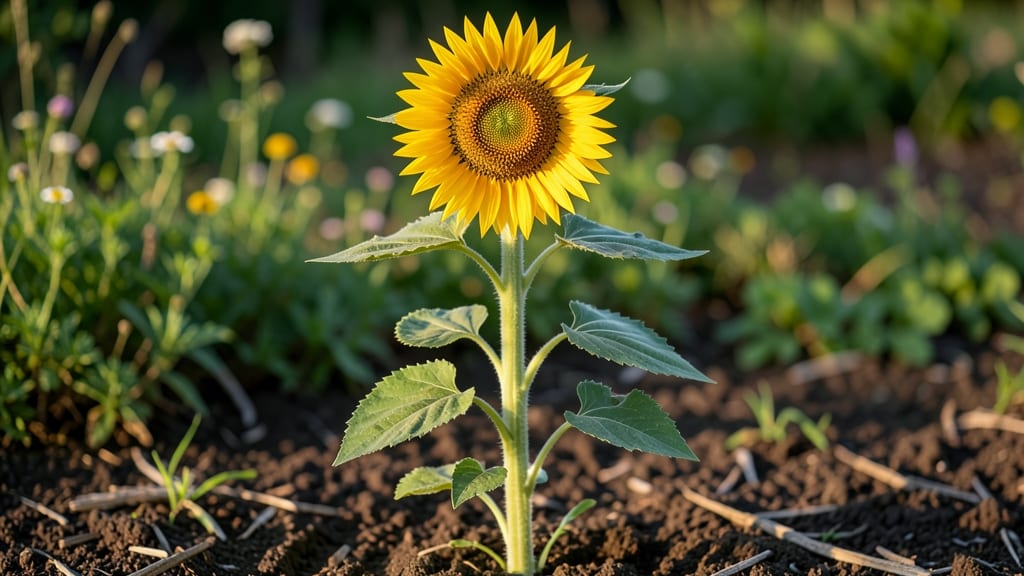
How tall sunflowers grow depends entirely on the variety you choose, ranging from just 3 feet to towering 16 feet—and that difference can completely change how you design your garden.
Picture this: a dwarf sunflower at 3 feet makes a perfect border, while a giant variety can outshine your fence line and become the star of your summer landscape. But here’s the catch: height isn’t just about looks.
Soil quality, sunlight, and even watering habits play a huge role in whether your 🌻 sunflowers hit their full potential or stay on the shorter side. The right conditions can turn a 6-foot plant into a 12-footer—or keep it from reaching its expected height at all.
In this guide, I’ll break down the height ranges of popular sunflower varieties, share tips to maximize growth (or control it for small spaces), and help you pick the perfect type for your garden goals.


Sunflower height variations by variety: from dwarf to giant
If you’ve ever wondered how tall do sunflowers grow, the answer depends entirely on the variety you choose. Some sunflowers barely reach your knees, while others can dwarf your entire backyard—literally.
The Mammoth Russian variety, for example, can soar to 14 feet tall, making it a stunning focal point, while the Teddy Bear stays compact at just 2-3 feet. These dramatic differences mean you can tailor your garden’s vertical drama to your space and style.
Sunflower heights aren’t just about aesthetics—they directly impact garden planning, spacing requirements, and even companion planting strategies. A 10-foot giant needs far more room than a 2-foot dwarf, and their shade patterns can affect nearby plants.
Understanding these variations helps you design a sunflower display that’s both functional and visually striking, whether you’re aiming for a whimsical cottage garden or a bold, statement-making border.
Below, I’ve broken down 10+ popular sunflower varieties by height category—dwarf, medium, and giant—along with their ideal growing conditions. This comparison will help you select the perfect sunflowers for your garden’s layout, sunlight, and soil conditions.
| Variety | Height Range | Flower Diameter | Sunlight Needs | Best For | |||||||||||||||||
|---|---|---|---|---|---|---|---|---|---|---|---|---|---|---|---|---|---|---|---|---|---|
| Teddy Bear | 12–36 inches | 4–6 inches | Full sun | Containers, borders, pollinators | |||||||||||||||||
| Moulin Rouge | 18–24 inches | 5–6 inches | Full sun | Cut flowers, small gardens | |||||||||||||||||
| Little Becka | 24–36 inches | 3–4 inches | Full sun | Pollinator gardens, children’s gardens | |||||||||||||||||
| Sunspot | 36–48 inches | 4–5 inches | Full sun | Cut flowers, mixed borders | |||||||||||||||||
| Autumn Beauty | 48–72 inches | 4–6 inches | Full sun | Backyard focal points, dried flowers | |||||||||||||||||
| ProCut | 5–6 feet | 4–5 inches | Full sun | Cut flower farms, bouquets | |||||||||||||||||
| Russian Giant | 10–12 feet | 6–8 inches | Full sun | Landmark planting, large gardens | |||||||||||||||||
| Mammoth Russian | 12–14 feet | 8–10 inches | Full sun | Dramatic displays, rural settings | |||||||||||||||||
| Giant Russian | 14–16 feet | 8–12 inches | Full sun | Farm gardens, windbreaks | |||||||||||||||||
| Pacific Giant |
How sunflower height affects garden planning and spacingWhen planning your sunflower garden, height isn’t just about aesthetics—it’s about functionality. A 16-foot giant needs completely different spacing and support than a 3-foot dwarf. Tall varieties can cast deep shade, smothering nearby plants, while dwarf types create compact borders perfect for small spaces. For example, Moulin Rouge (12–16 feet) thrives in open fields but would overwhelm a patio garden. Meanwhile, Teddy Bear (2–3 feet) fits beautifully in containers or edging. Understanding these differences helps you design a balanced layout where every plant has room to shine.
Tall sunflowers (over 8 feet) need staking or cages to prevent toppling, especially in windy areas. Use bamboo stakes or tomato cages inserted at planting—don’t wait until they’re top-heavy! For small gardens, dwarf varieties let you stack plants vertically, creating tiers with different heights. Companion planting is another key strategy. Place shade-tolerant plants like basil or lettuce under taller sunflowers, but avoid placing delicate flowers (e.g., marigolds) too close—their roots compete for nutrients. A 3-foot rule works well: keep shorter companions at least 3 feet away from giants. In urban gardens, vertical space is gold. Train tall sunflowers to grow along trellises or fences, freeing up ground space for veggies. Just ensure your trellis is sturdy enough—a 14-foot sunflower can weigh 20+ pounds when fully loaded with seeds! Pro tip: If you love tall sunflowers but lack space, try successive planting. Start with dwarf varieties early for quick color, then add taller types later in the season. This keeps your garden visually dynamic while managing height variations naturally. |