
Blooming
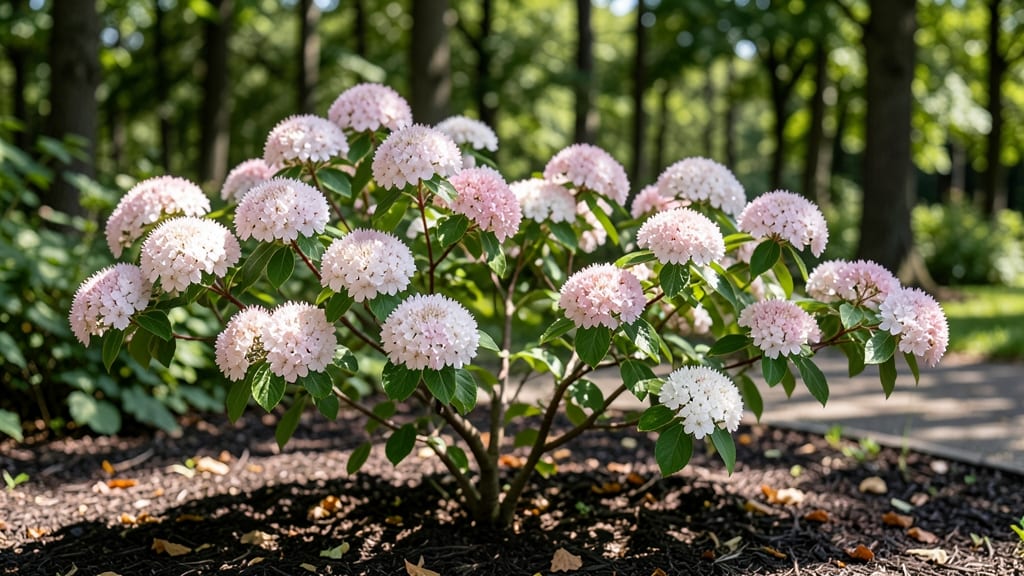
Your viburnum's flowering time depends on the variety and where you live, but most bloom in late spring 🌸—unless you’re growing a late-summer type like Viburnum bodnantense, which surprises with winter flowers.
If your viburnum is blooming weeks earlier—or stubbornly refusing to flower at all—you’re not alone. Understanding the exact flowering window and what influences it can mean the difference between a stunning spring display and bare branches.
Climate, sunlight, and even last year’s pruning mistakes all play a role in when your shrub puts on its best show. In USDA Zone 6a, early spring (March–April) is prime time, but cooler regions may see delays, while heat-loving varieties might bloom later.
Below, I break down the best months for each type, how to adjust care for perfect timing, and the simple tricks that keep your viburnum flowering reliably year after year.
Viburnum flowering time by species: exact months & seasonal patterns
Viburnums are prized for their stunning blooms, but their flowering windows vary dramatically by species. Some burst into color in late winter, while others wait until late spring or summer. Knowing these patterns helps you select the right variety for your garden and set expectations for seasonal displays.
Let’s break down the exact months when common viburnums bloom, along with regional variations across USDA zones 4–9.
Most viburnums flower on old wood, meaning their blooms form on branches from the previous year. This explains why improper pruning can delay—or even cancel—your spring show. But don’t worry: some species, like Viburnum plicatum, flower on new wood, giving you more flexibility in pruning timing.
Understanding these differences is key to maximizing your shrub’s potential.
| Species | Flowering Window | Bloom Color | USDA Zones | Notes |
|---|---|---|---|---|
| Viburnum bodnantense | Late winter (Jan–Feb) | Pink/white | 5–8 | Early bloomer; fragrant flowers |
| Viburnum dentatum | Late spring (May–June) | White | 3–9 | Native to North America; edible berries |
| Viburnum opulus | Early to mid-spring (Apr–May) | White/pink | 2–7 | Guaranteed snowball clusters; cold-hardy |
| Viburnum plicatum | Late spring (May–June) | White | 5–8 | Layered branches; flowers on new wood |
| Viburnum trilobum | Early summer (June–July) | White | 3–7 | Highland cranberry; fragrant blooms |
| Viburnum x burkwoodii | Late spring (May–June) | Pink | 5–8 | Hybrid; compact size; long blooming |
If you live in warmer zones (8–9), many viburnums may bloom 1–2 weeks earlier than the average timeline. For example, Viburnum bodnantense in Zone 9 might start flowering as early as December, while in Zone 4, it waits until March.
Always check your local frost dates to avoid late-season pruning that could remove next year’s flower buds.
For gardeners in cooler climates (Zones 4–6), late winter bloomers like Viburnum bodnantense are ideal for adding early color. These shrubs often flower before spring bulbs even emerge, creating a stunning contrast. Pair them with heaths or winter jasmine for a layered effect that extends your seasonal interest.
Summer-blooming viburnums, such as Viburnum trilobum, thrive in Zones 3–7 and offer a second wave of color when many other shrubs have finished. Their fragrant white flowers attract pollinators and provide a lovely scent for late-season gardens.
Plant them near patios or walkways to enjoy their aromatic blooms up close.
Regional microclimates can also shift flowering times. A south-facing wall or urban heat island effect might advance blooms by 10–14 days in cooler zones. Conversely, a northern exposure or high elevation could delay flowering until late May or June.
Observe your local viburnums over a few years to refine your expectations.
Pro tip: If you’re eager for earlier blooms, choose Viburnum bodnantense or Viburnum x carlcephalum. Both are known for their late-winter flowering
Why your viburnum flowers early (or late): 5 key factors
Viburnum shrubs are known for their stunning spring blooms, but when your plant flowers weeks early—or stubbornly late—it’s usually a sign your care routine needs adjustment.
Understanding these 5 key factors will help you troubleshoot and restore your viburnum’s natural flowering rhythm. Let’s break down what’s really happening with your plant.
First, temperature fluctuations are the #1 trigger for early blooming. Viburnums are sensitive to warm winter spells, especially in zones 5–8. A sudden 20°F jump in late winter can trick the shrub into thinking spring has arrived, causing buds to open prematurely.
Conversely, late spring frosts can delay blooms by damaging emerging buds.
Next, sunlight exposure plays a surprising role. While viburnums thrive in partial shade (4–6 hours of sun), too little light can delay flowering, while excessive afternoon sun (especially in hot climates) can stress the plant, causing late or sparse blooms.
Your location matters—southern gardens often see delayed flowering due to summer heat.
✨ 5 Factors Affecting Viburnum Flowering Time
- 🌡️ Temperature: Warm winter spells trigger early blooms; late frosts delay them.
- ☀️ Sunlight: Too little light = late blooms; too much afternoon sun = stress-induced delays.
- 🌱 Soil Conditions: Compacted or nutrient-poor soil slows bud development.
- ✂️ Pruning Mistakes: Cutting back old wood (where flowers form) reduces next year’s blooms.
- 🌿 Plant Age: Young shrubs (3–5 years old) may bloom later; mature plants (10+ years) often flower earlier.
Don’t overlook your soil conditions. Viburnums need well-draining, slightly acidic soil (pH 5.0–6.5). If your soil is compacted or nutrient-deficient, the plant diverts energy to root growth instead of flower production.
A simple soil test can reveal if you need to amend with compost or peat moss to encourage timely blooms.
Your pruning habits could also be sabotaging your viburnum’s schedule. Pruning at the wrong time (late summer/fall) removes next year’s flower buds, which form on old wood.
Always prune right after blooming to avoid cutting off potential flowers. And never remove more than 1/3 of the plant in a single session.
Finally, plant age is a major factor. Young viburnums (3–5 years old) often bloom later as they establish roots. Meanwhile, mature shrubs (10+ years) tend to flower earlier because they’ve built up energy reserves.
If your viburnum is past its prime, consider rejuvenation pruning to stimulate new growth and reset its flowering cycle.
Adjusting just one of these factors—like moving your shrub to a sunnier spot or pruning at the right time—can shift your viburnum’s blooming window by weeks. Start with the most obvious issue (like temperature or sunlight) and monitor changes next season.
With the right care, you’ll soon have perfectly timed spring blooms every year!