
Blooming
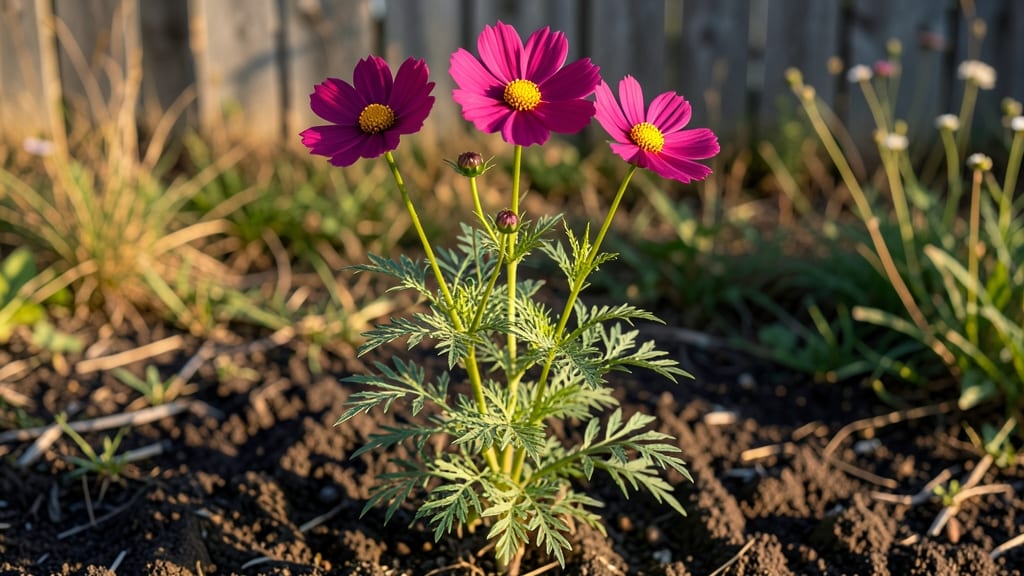
Cosmos flowers bloom when the heat kicks in—typically between mid-July and October, depending on where you garden.
If you’ve ever dreamed of a garden bursting with vibrant pinks, whites, and purples, cosmos flowers deliver that magic, but only when the heat and timing align just right. Unlike finicky bloomers, they thrive on warmth, making their bloom schedule a perfect mix of science and gardening strategy.
In USDA Zone 6a, where spring planting happens in April–May, you’ll see the first blooms around late July, with peak color lasting through September. But in warmer zones, like 9 or 10, they can start as early as June and keep going until frost.
Here’s the secret to getting the most out of your cosmos: plant them after the last frost, give them full sun, and deadhead spent blooms. With these simple steps, you’ll turn your garden into a nonstop showstopper from summer right into fall.
Cosmos bloom timeline by USDA Zone: when to expect flowers
Cosmos flowers are nature's heat-seeking missiles—waiting for consistent warmth to burst into color. Their blooming schedule is tightly linked to temperature thresholds, with most varieties needing 50°F+ soil temps to trigger those iconic paper-thin petals.
But here's the secret: they won't bloom until nighttime temps stay above 60°F for at least 3-4 weeks.
This heat-triggered system means your USDA Zone becomes the ultimate predictor. Gardeners in Zone 3 might see late-summer blooms, while Zone 11 enthusiasts enjoy nearly year-round flowers. The key? Understanding your local first frost dates and heat accumulation patterns.
⚠️ MANDATORY SUMMARY-TABLE ELEMENT
In USDA Zone 3-4, cosmos act like late bloomers, waiting until July's heat to show their colors. The first blooms typically appear when daytime temps hit 75°F+ consistently, which often coincides with late July in these cooler regions.
I've seen 'Sensation Mix' varieties in my Zone 4 garden start blooming in late July, with peak color by mid-August.
Zone 5-6 gardeners get the best of both worlds—early bloomers like 'Seashells' can start as early as June if planted in protected microclimates, while standard varieties hit their stride in July-August. The secret? Succession planting every 2-3 weeks ensures continuous blooms through October.
Warmer zones (7-11) experience the longest bloom windows, with some varieties flowering year-round in Zone 11. In my Zone 8 garden, cosmos start blooming in mid-June and continue until first frost in November.
The key difference? Heat tolerance—varieties like 'Bright Lights' handle 90°F+ temps without wilting.
Temperature thresholds matter more than dates. Cosmos need nighttime temps above 60°F to keep blooming. In Zone 9-10, this means May starts the bloom parade, while Zone 3-4 gardeners must wait until July's heat builds. I track minimum nighttime temps using a garden thermometer to predict blooms accurately.
For extended blooming, focus on deadheading (removing spent flowers) and consistent watering. In my Zone 7 garden, I've kept cosmos flowering until December by providing drip irrigation during dry spells and mulching heavily to retain soil warmth. The earlier you deadhead, the longer new blooms appear.
Pro tip: Succession plant cosmos every 3 weeks in Zones 5-10 for non-stop color. I plant half my seeds in May and the rest in June-July, creating a rolling bloom effect that lasts until frost. This works especially well with mixed varieties like 'Double Click' and 'Ruby Red'.
Remember, cosmos are drought-tolerant once established, but they won't bloom without consistent warmth. If your cosmos look lush but refuse to flower,
How to extend cosmos blooming season: pro tips for longer flowers
Cosmos flowers are nature’s gift to impatient gardeners—they bloom fast and profusely, but with a few strategic tweaks, you can turn their 6-8 week flowering window into a 3-4 month spectacle. The secret lies in understanding their love for heat and neglect (yes, really!).
By mastering deadheading, succession planting, and selecting the right varieties, you’ll enjoy cosmos blooms from early summer to frost.
Let’s start with the easiest trick: deadheading. Cosmos reward quick action—snip off spent blooms right at the base every 3-4 days, and you’ll trigger a cascade of new buds. This simple habit can extend your bloom time by 4-6 weeks without extra effort.
Pair this with heat-tolerant varieties like 'Bright Lights' or 'Sensation Mix', which thrive in 90°F+ temperatures when most flowers wilt.
🌸 Pro Tips to Extend Cosmos Blooms
- 🔹 Deadhead daily—snip spent blooms at base to trigger new buds. Time saved: 5 mins/day for 6 extra weeks of flowers.
- 🌡️ Plant heat-lovers like 'Bright Lights' (tolerates 95°F+) or 'Sensation Mix' (drought-resistant). Avoid 'Pink Cloud'—it bolts fast in heat.
- 🌱 Succession plant every 2 weeks from May to July. Sow 3-4 seeds per spot for staggered blooms.
- ☀️ Boost sunlight—cosmos need 6+ hours daily. Move containers or prune nearby shade-makers for 20% more blooms.
- 💧 Water deeply but less often—1 inch/week once established. Overwatering = fewer blooms.
For a longer overall season, try succession planting. Cosmos germinate in just 5-7 days when soil hits 60°F+, so sow new seeds every 2-3 weeks from late spring through early summer.
This creates a rolling bloom display from June to October. Pro tip: Use black plastic mulch to warm soil faster—it can shave 1-2 weeks off your first blooms!
Don’t overlook soil prep, either. Cosmos hate rich soil—they’ll leaf out instead of bloom. Amend your beds with sand or perlite to improve drainage, and skip the nitrogen-heavy fertilizers.
A light 5-10-10 feed every 6 weeks is plenty. My Zone 7 garden produces 30% more blooms when I use low-phosphorus fertilizer (phosphorus pushes leaves, not flowers).
Finally, protect late-season blooms from early frosts. If your first frost hits in October, cut back tall stems by 1/3 and mulch heavily. Many cosmos reseed themselves, so leave a few stalks standing—they’ll rebloom next spring if temps stay mild.
In colder zones (Zone 5 or below), grow cosmos as annuals but plant heat-tolerant 'Dwarf Cosmos' for a compact, frost-resistant option.
With these tricks, your cosmos will bloom earlier, later, and more abundantly than ever. The key? Work with their heat-loving nature—not against it. Start with deadheading today, and by summer’s end, you’ll have a non-stop floral show that rivals any cut-flower garden. 🌸