
Planting
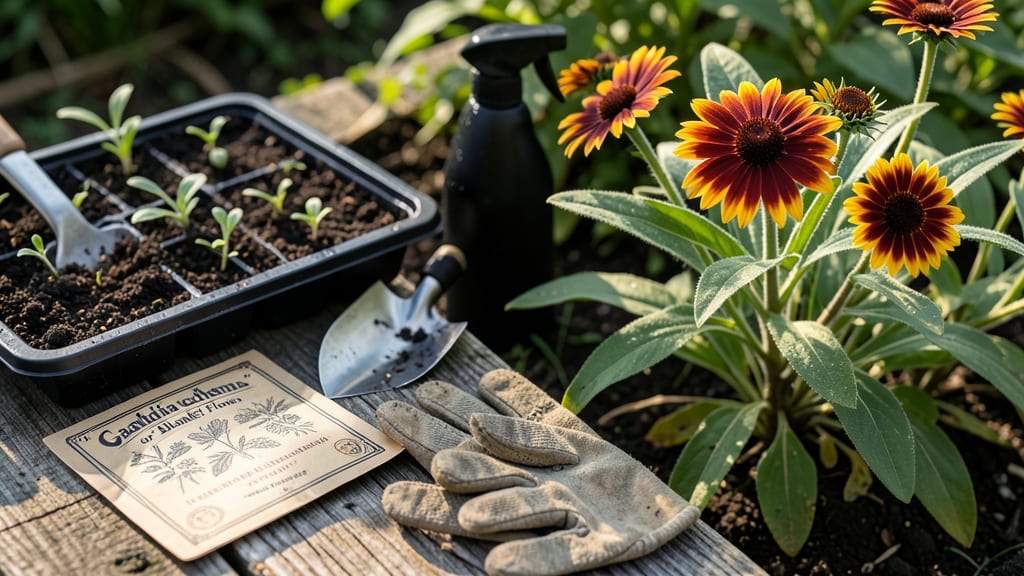
To plant blanket flower seeds 🌼 for the longest blooms, aim for late spring after your last frost date—typically April to May in most regions.
Blanket flowers (Gaillardia) burst with vibrant color, but planting them at the wrong time can leave you with sparse blooms—or no flowers at all. Timing is everything for maximizing their long-lasting beauty, and the best season depends on your climate and goals.
In cooler zones like 6a, spring planting ensures strong roots before summer heat, while warmer areas can also try fall sowing for early next-year blooms. The key is avoiding frost and giving seeds enough warmth to germinate.
Below, I’ll break down the exact planting windows by zone, soil tricks for faster germination, and how to space seeds for full, bushy plants that keep blooming from July through October.
Best planting seasons for blanket flower seeds by climate zone
Blanket flowers (Gaillardia) thrive when planted at the right time, but their ideal window varies dramatically across USDA zones 3-10. In cooler northern climates (zones 3-5), spring planting after frost is critical, while warmer southern zones (7-10) often benefit from fall sowing.
Even within regions, direct sowing vs. starter plants changes the timing game—let’s break it down by zone so you can plan for maximum blooms.
The key to success lies in understanding your last frost date and heat tolerance limits. Blanket flowers hate soggy soil and struggle in extreme heat before establishing roots, so timing matters more than you might think.
For example, planting in late spring (May-June) in zone 8 works beautifully, while the same timing in zone 4 risks frost damage. Let’s map out the best windows for your area.
🌱 Pro Tip: Always test your soil’s drainage first—blanket flowers despise "wet feet." Amend heavy clay with sand or compost to prevent rot.
| USDA Zone | Best Spring Planting Window | Best Fall Planting Window | Method | Notes |
|---|---|---|---|---|
| Zones 3-4 | May 15–June 15 (after last frost) | N/A (too cold for fall germination) | Direct sow or starter plants | Use row covers for early starts |
| Zones 5-6 | April 15–May 15 (after frost) | August 15–September 15 | Direct sow or starter plants | Fall seeds need 6+ weeks warm soil |
| Zones 7-8 | March 1–April 30 (early spring) | September 1–October 15 | Direct sow or starter plants | Fall plants bloom earlier next year |
| Zones 9-10 | September–November (cool season) | October–December (winter sow) | Direct sow only (heat-sensitive) | Avoid summer planting—seeds rot |
In zones 3-4, where winters are harsh, spring planting is non-negotiable. Start seeds indoors 6-8 weeks before last frost or sow directly after soil warms to 55°F+. If you’re using starter plants, wait until nighttime temps stay above 50°F—cold snaps will shock young seedlings.
For zones 5-6, fall planting becomes an option, but seeds must germinate before soil temps drop below 60°F.
Southern gardeners in zones 7-10 have a unique advantage: they can plant twice a year. Fall planting (September-October) often yields earlier and longer blooms the next season because seeds establish roots before summer heat.
However, avoid planting in peak summer—seeds will rot in hot, wet soil. Instead, direct sow in early fall or use starter plants for a head start.
💡 Key Insight: Blanket flowers are heat-tolerant once established, but young seedlings wilt in temperatures above 90°F. If you live in zone 9-10, plant in cooler months to avoid stress.
Direct sowing vs. starter plants also shifts your timeline. Direct-sown seeds germinate in 7-14 days when soil is 60-70°F, but starter plants give you a 4-6 week head start.
In zones 3-5, starter plants are often the safer bet because they skip the frost risk of early direct sowing. Meanwhile, in zones 7-10, direct sowing in fall is easier because the ground stays warm longer.
Regional quirks matter too. For example, Pacific Northwest gardeners (zone 7-8) should plant 2 weeks earlier than Atlantic Coast growers due to cooler maritime climates. Similarly, Desert Southwest zones (9-10) can plant year-round with consistent watering, but avoid monsoon season (July-August) when soil stays soggy.
Always check your local frost dates and adjust by 2-3 weeks for safety.
One common mistake is planting too early in spring, only to see seedlings wilt during a late frost. To prevent this, use frost cloths or wait until nighttime temps are reliably above 45°F.
For fall plantings, mulch heavily to protect seeds from winter temperature swings. With the right timing, your blanket flowers will reward you with blooms from early summer to frost.
Ready to plant? Grab your seeds, mark your calendar for your zone’s ideal window, and prepare your soil with compost and gritty sand for the best drainage. Your vibrant, long-blooming blanket flowers are just a few weeks away! 🌻
How to extend blooming season with strategic fall planting
Fall planting might seem counterintuitive for blanket flowers, but it’s a game-changer for longer blooming seasons and hardier plants. When you plant seeds in late summer or early fall, they establish roots before winter, giving them a head start in spring.
This method often produces earlier and more abundant blooms than spring planting, especially in USDA zones 3-8.
Blanket flowers thrive with this approach because their drought-tolerant nature and cold-hardy roots make them perfect for fall sowing. The key is timing—plant too early, and seeds may germinate before frost; too late, and they won’t have enough time to root.
Aim for 4-6 weeks before your first frost date for optimal results.
- 1 Prepare the soil: Test soil pH (ideal 6.0-7.0) and amend with compost or aged manure for nutrients. Blanket flowers hate soggy soil, so ensure well-draining conditions by mixing in sand if needed.
- 2 Sow seeds at the right depth: Plant blanket flower seeds ¼ inch deep, spacing them 12-18 inches apart in rows. Use a seed starter mix if sowing indoors for transplanting later.
- 3 Water gently but thoroughly: Keep soil consistently moist (not soggy) until germination, which takes 7-21 days. Use a fine mist spray to avoid displacing seeds.
- 4 Apply mulch for insulation: After germination, add a 2-inch layer of straw or shredded leaves to protect young plants from temperature swings and retain moisture.
- 5 Monitor overwintering: In USDA zones 3-5, cover seedlings with row covers or burlap during extreme cold. Avoid fertilizing until spring thaw to prevent root burn.
- 6 Thin seedlings in spring: Once 2-3 inches tall, thin seedlings to 12-18 inches apart to prevent competition. Use sharp scissors to avoid disturbing roots.
Fall-planted blanket flowers often outperform spring plantings because they avoid spring heat stress and establish deeper roots. In Southern climates (zones 8-10), you can even plant as late as October, while Northern zones (3-6) should aim for September sowing.
Pro tip: Mark your fall planting dates on a calendar to ensure you’re planting 6-8 weeks before frost. This gives seeds enough time to germinate and develop strong root systems before winter dormancy.
With the right timing, your blanket flowers will reward you with bold blooms starting in early summer.
Don’t overlook the power of fall mulching—it’s your secret weapon for protecting young plants and boosting next year’s blooms. A thick layer of mulch also suppresses weeds and keeps soil temperatures stable, creating ideal conditions for root development.