
Flowers
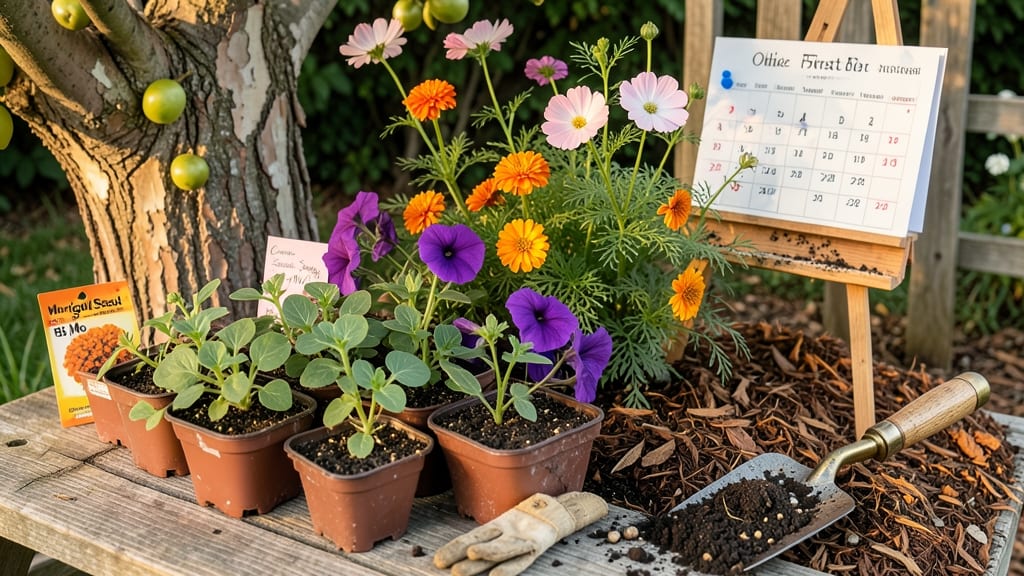
Planting flowers in Ohio at the right time means the difference between a burst of color by Memorial Day and a sad, half-bloomed garden by July.
Ohio’s unpredictable spring weather can turn a beautiful flower garden into a gamble—unless you time your plantings perfectly for USDA Zones 5b-6a. A late frost in April or a heatwave in May will ruin even the most carefully chosen 🌸 blooms if you’re not prepared.
This guide cuts through the guesswork with science-backed deadlines for annuals, perennials, bulbs, and cold-hardy flowers. Whether you’re sowing seeds in March or planting fall bulbs in October, knowing the exact window for each type ensures your garden thrives—not just survives.
You’ll learn how to adjust for Ohio’s microclimates, use row covers to cheat the frost, and pick the five easiest flowers that forgive late starts. No more second-guessing—just a garden that blooms on schedule.
Ohio flower planting calendar: exact deadlines by season and type
Ohio’s USDA Zones 5b-6a offer a 165-day frost-free growing season, but timing is everything. Plant too early, and a surprise frost will kill tender blooms. Too late, and you’ll miss peak flowering. The key?
Align your planting with soil temperatures, last frost dates (typically mid-April), and your flower’s hardiness. Below is your month-by-month roadmap for Ohio’s most popular flowers—from spring-blooming bulbs to summer annuals—plus pro tips to beat Ohio’s unpredictable weather.
For example, tulips and daffodils need to be in the ground by Halloween to root before winter, while petunias and marigolds won’t tolerate frost and must wait until after Mother’s Day (or use row covers to cheat the system).
Perennials like coneflowers are more forgiving, thriving when planted in early spring or fall. Let’s break down the exact windows—and what happens if you miss them.
| Flower Type | Planting Window (Ohio Zones 5b-6a) | Soil Temp Requirement | Key Success Tip | Example Varieties |
|---|---|---|---|---|
| Annuals (warm-season) | After last frost (mid-May) or 2-3 weeks before | 60°F+ | Use row covers for early starts | Petunias, Zinnias, Marigolds |
| Perennials (spring-blooming) | Early spring (March-April) or fall (Sept-Oct) | 40°F+ | Divide clumps every 3-4 years | Peonies, Lavender, Hostas |
| Bulbs (spring-flowering) | Fall (Oct-Nov) for next spring blooms | 50°F+ | Plant 3x deeper than bulb height | Tulips, Daffodils, Hyacinths |
| Cold-hardy annuals | Early spring (March-April) or fall (Sept) | 45°F+ | Mulch heavily for winter | Pansies, Snapdragons, Sweet Alyssum |
Let’s start with spring-blooming bulbs, which are the easiest to time perfectly. Plant tulips and daffodils between October 15 and November 15—this gives their roots time to establish before winter.
If you miss this window, you can still plant in early December, but expect fewer blooms the following spring. Pro tip: Use a bulb planter or your shovel to dig holes 6 inches deep (or 3x the bulb’s height) and space them 4-6 inches apart.
Add a handful of bone meal fertilizer to the hole to boost next year’s blooms.
For perennials like coneflowers and black-eyed Susans, early spring (March-April) is ideal, but you can also plant them in early fall (September-October). These hardy plants tolerate Ohio’s variable soil temperatures and even light frosts once established.
If you’re dividing existing clumps, do it in early spring when new growth appears—this gives roots time to regenerate before summer heat. Water deeply after planting, and mulch with 2-3 inches of shredded bark to retain moisture and suppress weeds.
Warm-season annuals like petunias and marigolds are the trickiest because they cannot tolerate frost. Wait until the average last frost date (around mid-May in most of Ohio) before planting, or use row covers to push your planting window back by 2-3 weeks.
For example, I’ve had success planting geraniums under Reemay fabric as early as late April in my Columbus garden. If you’re in northern Ohio (Zone 5b), err on the side of caution—wait until after Mother’s Day.
Don’t overlook cold-hardy annuals like pansies and snapdragons, which thrive in Ohio’s cool springs and falls. Plant them in early spring (March-April) for spring color, or again in September for fall and early winter blooms.
These flowers handle light frosts (down to 25°F), making them perfect for extended-season gardening. Pair them with kale or cabbage in containers for a year-round harvest of color. Mulch heavily with straw or leaves to protect roots in winter.
Ohio’s soil temperature is your best friend when planning. Use a soil thermometer to check depths—most flowers
How to adjust planting times for Ohio’s microclimates and unpredictable weather
Ohio’s variable frost dates and urban heat islands can throw off even the most experienced gardener. What works in Columbus might fail in Toledo—or even in your backyard if you’re near pavement or a wooded area.
The key to success? Flexibility and localized strategies to protect your flowers from late frosts or early heatwaves.
Instead of relying on a one-size-fits-all calendar, I’ve tested these five adaptable tactics to extend your planting windows—whether you’re dealing with a late spring or a short summer. These methods let you push boundaries without risking your garden’s health.
Track Local Frost Dates
Use the National Weather Service’s frost calendar or ask your local garden club—Columbus and Toledo can differ by 2 weeks. Sign up for frost alerts to avoid planting too early.
Start Tender Annuals Indoors
Begin heat-loving seeds (like impatiens or geraniums) 6-8 weeks before your last frost under grow lights. This gives them a 4-6 week head start before transplanting outdoors.
Use Row Covers for Early Planting
Floating row covers (like Reemay) let you plant 2-3 weeks earlier for cold-sensitive flowers. Secure them tightly to protect from wind and late frosts—perfect for zinnias or marigolds.
Container Gardening for Late Springs
Containers warm faster than soil—plant heat-lovers (like vinca or portulaca) in pots 1-2 weeks before ground planting. Move them to shade if temps hit 90°F.
Fall Planting for Spring Color
Sow hardy annuals (like sweet peas) in September for early spring blooms, or plant bulbs by Halloween. The soil stays warm longer, giving roots time to establish before winter.
For urban gardeners, microclimates can be your biggest challenge. If your yard sits in a heat island (common near pavement), opt for shade-tolerant flowers like coleus or impatiens and water deeply in the morning to combat heat stress.
In wooded areas, focus on partial-shade lovers like hostas or foxgloves.
Even with these adjustments, monitor your plants daily after planting. A quick check for wilted leaves or yellowing can signal frost damage or heat shock—acting fast with row covers or shade cloth can save your garden.
With these strategies, you’ll beat Ohio’s weather and enjoy blooms from spring to frost.