
Blooming
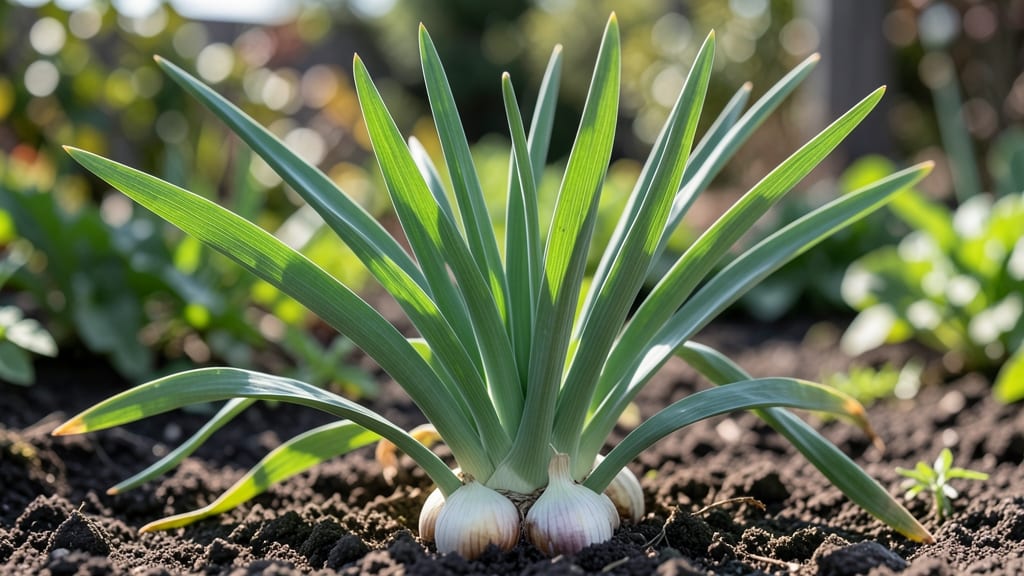
Harvesting alliums before flowering unlocks their sweetest, most tender flavors—think garlic scapes or baby green onions that taste nothing like their mature counterparts.
Picture this: you pull up a bunch of 🌷 allium greens just as they start to bolt, and the flavor is so bright and fresh it makes your dishes sing. But timing is everything—wait too long, and you’re left with bitter, woody stalks that ruin the party.
In Zone 6a, the best window for pre-flowering harvests is late spring, just as those first shoots push through the soil but before the iconic blooms form. This is when alliums are at their peak for flavor and texture, making them the star of salads, stir-fries, or homemade pestos.
Below, I’ll walk you through exactly when to harvest different allium varieties, how to do it without killing the plant, and which types reward you the most for this early pick.
Optimal harvesting window for allium before flowering: stages & timing
Timing your allium harvest before flowering is the secret to unlocking those milder, sweeter flavors and tender textures we all love. Unlike mature bulbs, pre-flowering alliums offer a delicate, grassy taste perfect for fresh salads or garnishes.
The key lies in understanding the three distinct growth phases—pre-shoot, early shoot, and late shoot—each with its own ideal harvest window.
Most gardeners overlook the fact that alliums like garlic, shallots, and chives develop their best flavor when harvested just before flowering. This stage, often called the scape stage, occurs when the plant begins sending up a curly flower stalk but hasn't yet bloomed.
Missing this window means tougher textures and more intense flavors—like the overwhelming bite of mature garlic.
Why harvest before flowering? Alliums redirect energy toward flower production once blooming begins, which hardens the stems and reduces tenderness. The pre-flowering phase is when you'll find the peak balance of sweetness and crunch, making it ideal for raw preparations like stir-fries or fresh garnishes.
Here’s how to identify the three critical stages and their perfect harvest windows:
| Growth Stage | Visual Cues | Ideal Harvest Time | Flavor & Texture |
|---|---|---|---|
| Pre-Shoot Phase | Tight, green foliage; no visible flower stalk | Not ideal—wait for shoot emergence | Mild, grassy, least flavorful |
| Early Shoot Phase | Flower stalk (scape) emerges, 3-5 inches tall | Harvest when scape is 6-8 inches tall | Sweet, tender, crisp—peak flavor |
| Late Shoot Phase | Scape elongates, flower bud visible | Still harvestable but less tender | Bitter, tough—flavor declines |
| Post-Flowering | Flowers open, foliage yellows | Avoid—bulb development prioritized | Intense, pungent—best for cooking |
The early shoot phase is your golden harvest window for alliums like garlic scapes or green onions. At this stage, the scape is 6-8 inches tall but hasn’t yet formed a flower bud.
This is when the foliage remains tender and the flavor is at its mildest, making it perfect for raw dishes or light sautéing.
For green onions or chives, the ideal time is when the tops reach 4-6 inches and the base remains plump. Cut them back to 2-3 inches above the soil to encourage regrowth.
This method lets you harvest multiple times per season without sacrificing future blooms or bulb development.
If you’re growing shallots or garlic, focus on the scape emergence. The moment the curly stem appears, it’s time to act. Garlic scapes, in particular, are prized for their mild, sweet onion flavor and can be used like green onions in recipes.
Remove the scape just above the first leaf to redirect the plant’s energy toward bulb growth.
Pro tip: Harvest in the morning when temperatures are cool. This ensures the alliums retain moisture and flavor intensity. Store harvested scapes or greens in the fridge for up to 5 days, or freeze them for longer storage.
For garlic scapes, you can even blanch and freeze them whole for later use.
Missing the early shoot window doesn’t mean you’ve lost your harvest—it just changes the flavor profile. Late shoot-phase alliums are still edible but will be tougher and more pungent.
If you’re growing alliums for culinary flexibility, consider harvesting a portion early and letting the rest mature for bulb production.
🌱
How to harvest allium before flowering without sacrificing future growth
Harvesting allium greens before flowering isn’t just about timing—it’s about preserving the plant’s energy for future harvests. When you cut or pull too late, you risk bitter flavors and stunted regrowth.
The key is to act when the plant is tender but still vigorous, typically 4-6 weeks before blooms appear.
For garlic scapes or green onions, this means watching for the first 3-4 inch shoots that curl or elongate. For chives, harvest when the stalks reach 6-8 inches tall but before the flower buds swell. The goal? Encourage regrowth while maximizing flavor and texture.
Step-by-Step Harvesting Guide
-
Step 1: Identify the Right Stage
- Look for 3-4 inch shoots in garlic or 6-8 inch stalks in chives.
- Avoid harvesting when buds are swollen or purple—this signals bolting.
-
Step 2: Use the Right Tools
- Use clean, sharp scissors or pruners for cutting 1-2 inches above the base.
- For green onions, grip the base and twist gently to pull.
-
Step 3: Harvest Correctly
- Cut only the outer stalks to leave the center for regrowth.
- Avoid removing more than 1/3 of the plant at once.
-
Step 4: Post-Harvest Care
- Water deeply after harvesting to encourage regrowth.
- Apply a light fertilizer (5-10-10) to support recovery.
-
Step 5: Encourage Regrowth
- Ensure full sun (6+ hours) and well-draining soil.
- Mulch with compost or straw to retain moisture.
🌱 Pro Tip: Harvest in the morning for the freshest flavor and fastest regrowth.
After harvesting, avoid overwatering—this can stress the plant and delay regrowth. Instead, focus on consistent moisture (about 1 inch per week) and balanced fertilization. In Zone 6a, this means watering deeply every 7-10 days and fertilizing lightly every 4-6 weeks during active growth.
With proper care, chives and green onions can regrow 2-3 times per season, while garlic scapes may produce a second harvest if the plant is healthy. The secret? Timing and patience—don’t rush the harvest, and the plant will reward you with sweeter, more tender greens all season long.
For long-term success, mark your calendar for late spring harvests (just as shoots emerge) and early summer follow-ups. This ensures you’re always harvesting at the peak of tenderness without compromising future growth.