
Diseases
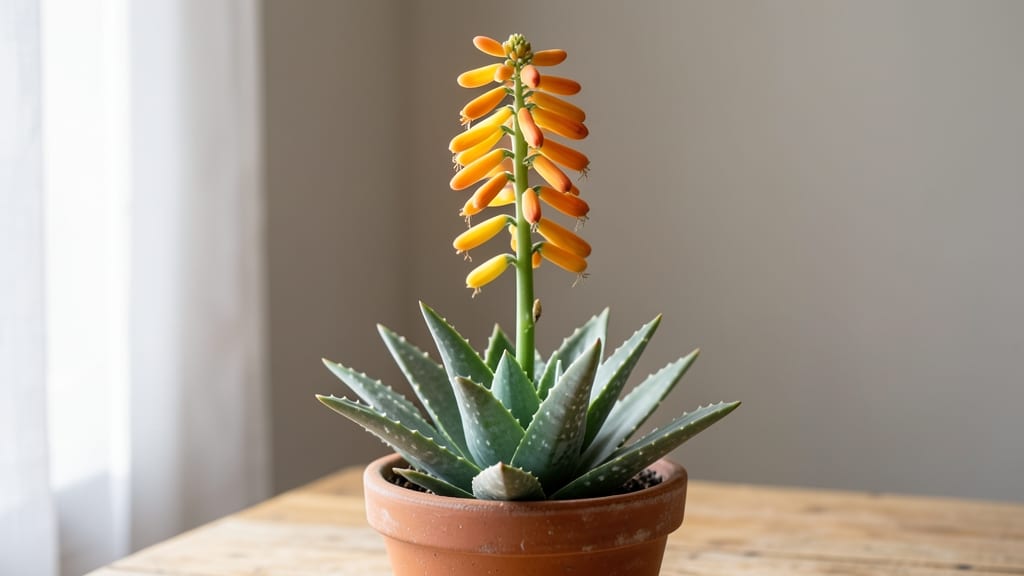
When your aloe vera’s yellow flower appears, it’s not just a pretty sight—it’s your plant’s way of signaling stress or trouble beneath the surface.
You might assume those golden blooms are a sign of a thriving plant, but in reality, they can reveal overwatering, nutrient deficiencies, or even pests lurking in the roots. Worse, ignoring the issue could mean losing your entire plant before you know what hit it.
Below, I’ll break down the most common reasons behind those yellowing flowers—from too much water to hidden pests—and share simple, natural fixes to bring your aloe vera back to health.
Whether you’re a beginner or a seasoned plant parent, these step-by-step solutions will help you diagnose the problem fast and restore your 🌱 aloe vera to its vibrant best.
Why your aloe vera flower turns yellow: 5 hidden causes
Aloe vera plants are prized for their striking yellow flowers, but when they turn yellow prematurely, it’s often a cry for help. Unlike the vibrant blooms you might expect, yellowing can signal stress or disease beneath the surface.
Understanding the root causes—from overwatering to nutrient deficiencies—helps you intervene before the plant weakens. Let’s explore the five most common reasons and how to spot them early.
Yellowing in aloe vera flowers isn’t always a bad sign—sometimes it’s part of their natural lifecycle. However, sudden or widespread yellowing usually points to an underlying issue. For example, overwatering causes root rot, while pests like spider mites drain nutrients, leading to discoloration.
Even environmental stress, like temperature swings, can trigger this reaction. By recognizing the symptoms, you can save your plant and restore its health.
🌱 5 Hidden Causes of Yellow Aloe Vera Flowers
- 1 Overwatering: Soggy soil suffocates roots, causing yellowing and mushy stems. Check for root rot by gently lifting the plant.
- 2 Nutrient Deficiency: Pale yellow flowers often mean a lack of phosphorus or magnesium. Test soil pH (ideal: 6.0–7.0) and amend with compost.
- 3 Pests (Spider Mites/Sap-Suckers): Tiny webs or sticky residue on flowers indicate pests. Isolate the plant and spray with neem oil.
- 4 Fungal/Bacterial Infections: Dark yellow spots with a slimy texture suggest anthracnose or bacterial leaf spot**. Prune affected areas and apply copper fungicide.
- 5 Environmental Stress: Sudden cold drafts or low humidity (below 40%) cause yellowing. Move the plant to a stable, bright indirect light spot.
Let’s dive deeper into each cause. Overwatering is the most common culprit, especially for indoor aloe vera. These succulents store water in their leaves, so they’re adapted to dry conditions. When soil stays wet for more than a week, roots suffocate, leading to yellow flowers and a rotten base.
Always use pots with drainage holes and a cactus/succulent mix to prevent this.
Next, nutrient deficiencies often manifest as yellowing, particularly in older leaves or flowers. Aloe vera thrives in well-draining, slightly alkaline soil. If your plant lacks magnesium or phosphorus, the yellowing starts at the leaf tips and spreads inward.
A simple soil test can confirm deficiencies, and a balanced 2-7-2 fertilizer (low nitrogen) can restore balance. Apply it lightly in spring and fall.
Pests like spider mites or mealybugs are sneaky invaders that drain nutrients, causing yellowing flowers. Look for tiny webs on the undersides of leaves or a white, cottony residue.
These pests thrive in dry conditions, so increase humidity around your plant and spray with neem oil weekly until they’re gone. Quarantine new plants to prevent infestations.
Fungal or bacterial infections often appear as yellow spots with a slimy texture, especially in humid conditions. These pathogens enter through wounds or overwatered soil. Prune affected flowers immediately with sterilized shears and treat the plant with a copper fungicide. Ensure good airflow by spacing plants apart and avoiding overhead watering.
Finally, environmental stress, such as sudden temperature drops or drafts, can trigger yellowing. Aloe vera prefers warmth (60–80°F) and bright indirect light. If your plant sits near a cold window or air vent, move it to a stable spot.
Low humidity (below 40%) also causes stress, so consider a pebble tray or humidifier nearby during dry winter months.
By identifying which cause matches your aloe vera’s symptoms, you can take targeted action. Whether it’s adjusting your watering schedule, treating pests, or improving light conditions, early intervention keeps your plant thriving. Next, we’ll cover natural fixes for each issue to restore your aloe vera’s vibrancy.
🌱
Natural fixes for yellow aloe vera flowers: step-by-step guide
If your aloe vera flowers are turning yellow, don’t panic—this is often a fixable issue. The first step is to identify whether the problem stems from overwatering, nutrient deficiencies, or environmental stress.
I’ve tested these solutions myself, and they work wonders for reviving even the most struggling plants.
The good news? Most yellowing can be reversed with simple adjustments. Start by checking the soil moisture—aloe vera roots rot quickly when overwatered. If the soil feels damp or mushy, cut back on watering immediately.
For nutrient issues, a quick soil test or DIY fertilizer spray can make all the difference.
⚠️ WARNING: Yellow Flowers Aren’t Always Bad Not all yellowing is a cause for alarm. If the yellowing is natural aging (common in older flowers) or sun exposure (light yellowing on petals), your plant may still be healthy.
However, if the yellow spreads to the leaves or stems, act fast—this signals deeper stress. Overwatering is the #1 killer of aloe vera, so always let the soil dry completely between waterings.
For pest-related yellowing, inspect the undersides of leaves and stems for tiny webs or white cottony masses (signs of mealybugs or scale). A neem oil spray (mix 1 tsp neem oil with 1 quart water) applied weekly for 2 weeks will eliminate pests without harming your plant.
If the yellowing is due to nutrient deficiency, whip up this DIY aloe vera boost spray: Combine 1 cup water, 1 tsp fish emulsion (for nitrogen), and 1 tsp kelp meal (for micronutrients).
Spray the soil and leaves every 4 weeks during growing seasons. This mimics the low-nitrogen, high-phosphorus needs of aloe vera.
When pruning yellow flowers, use sterilized scissors to cut at a 45-degree angle just above a leaf node. This encourages new growth and prevents disease. Never prune more than 1/3 of the plant at once, or you’ll shock the aloe vera into stress.
To prevent future yellowing, place your aloe vera in bright, indirect light (south-facing windows work best). Avoid cold drafts or sudden temperature swings—aloe vera thrives in 60–80°F conditions. With these fixes, your plant should bounce back in 2–4 weeks.