
Flowers
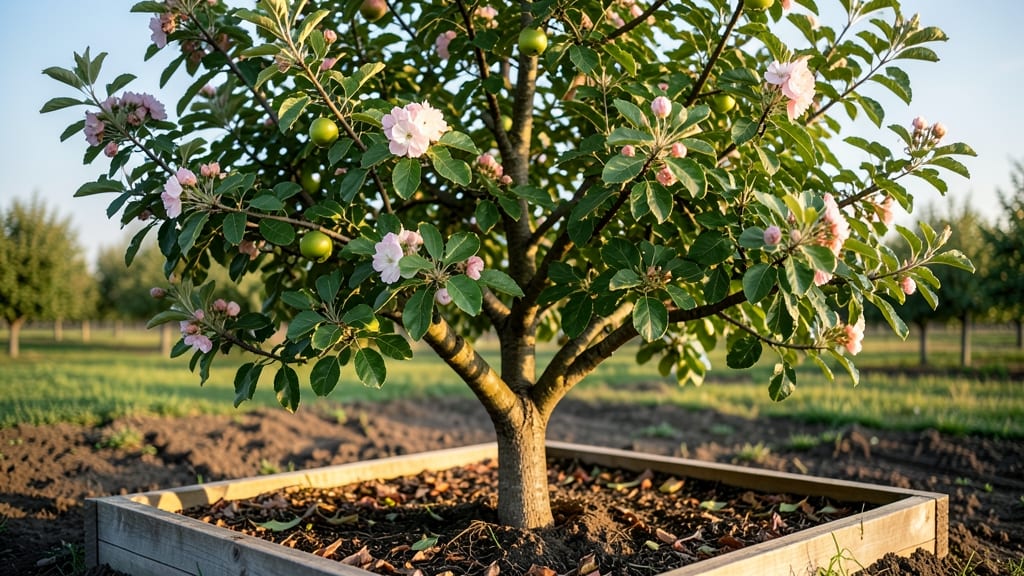
Transforming apple tree flowers 🍎 into fruit is all about understanding the hidden steps between blossom and harvest — and avoiding the mistakes that leave you with empty branches.
Did you know that 90% of apple blossoms fail to produce fruit without proper pollination? That’s right: even the healthiest tree can sit loaded with flowers one week and bare the next. The difference often comes down to timing, weather, and a few simple care tweaks most gardeners miss.
From the moment those delicate petals unfurl in spring to the moment fruit swells on the branch, every stage depends on the right conditions. Too much heat? Pollen won’t stick.
Not enough bees? Flowers won’t set fruit. And if you’re pruning at the wrong time, you might accidentally thin out next year’s crop before it even starts.
In this guide, I’ll walk you through the exact steps to maximize your apple tree’s fruit set — from choosing the right pollination partners to protecting blossoms from frost, plus the three most common mistakes that sabotage harvests before they begin.
The science behind apple tree flower pollination to fruit development
Every spring, your apple tree transforms into a stunning display of pink and white blossoms, but did you know only a fraction of these flowers will develop into fruit? The journey from bloom to harvest is a fascinating biological process driven by pollination, fertilization, and environmental conditions.
Understanding these stages helps you optimize fruit production and troubleshoot common issues like poor fruit set.
Apple tree flowers are perfectly structured for pollination, with five petals surrounding reproductive organs. The stamens (male) produce pollen, while the pistil (female) contains the ovary that will develop into fruit.
However, most apple varieties require cross-pollination—pollen from one tree must fertilize flowers on another—to produce fruit. This is why planting multiple compatible varieties dramatically increases your harvest potential.
| Stage | Process | Key Factors |
|---|---|---|
| Flower Formation | Bud development in late winter | Chilling hours, sunlight |
| Pollination | Pollen transfer to stigma | Bees, wind, temperature |
| Fertilization | Pollen tube growth to ovary | Humidity, 55-75°F |
| Fruit Set | Ovary swells into fruit | Nutrients, 60-80°F |
| Cell Division | Rapid growth of fruit cells | Sunlight, water |
The pollination window is critical—apple blossoms typically open for just 5-7 days, and pollen must reach the stigma within hours of release. Bees are the primary pollinators, but wind and temperature also play roles.
Ideal pollination occurs when daytime temperatures stay between 55°F and 75°F—below 50°F or above 85°F, pollinators become less active, reducing fertilization success.
Once pollination occurs, the fertilization process begins as pollen grains germinate on the stigma, forming tubes that grow down the style to reach the ovary. This can take 24-48 hours, during which humidity levels must remain moderate (40-60%) to prevent pollen desiccation.
Low humidity can cause pollen to dry out before reaching the ovary, leading to failed fertilization.
After successful fertilization, the ovary begins to swell, marking the fruit set stage. This is when you’ll notice small, marble-sized apples forming on your tree. However, not all fertilized flowers will make it this far—many will drop due to nutrient competition or environmental stress.
Thinning fruit later will help remaining apples grow larger, but proper pollination ensures you have enough to thin in the first place.
One common misconception is that more flowers always mean more fruit. In reality, excessive blossoms can lead to overcrowding, where the tree struggles to support all developing fruits.
This often results in June drop, where the tree naturally sheds up to 50% of fertilized flowers to allocate resources to the strongest fruit. Understanding this process helps you avoid over-fertilizing or pruning too aggressively before bloom time.
Environmental factors like wind and rain also impact pollination success. Heavy rain can wash pollen away, while strong winds may disrupt bee activity. Even early spring frosts can damage blossoms before pollination occurs.
To mitigate these risks, choose late-blooming varieties in colder climates or use frost blankets during critical bloom periods.
Finally, the cell division phase occurs as fertilized ovules begin rapid growth. During this time, your apple tree requires consistent watering and sunlight to support fruit development. Without adequate nutrients, fruits may remain small or develop poorly.
This is why early spring fertilization is crucial—it provides the energy needed for both blossoming and fruit growth.
By understanding these stages, you can create optimal conditions for your apple tree to go from blossoms to bounty.
Whether you’re dealing with poor pollination, environmental challenges, or simply curious about the science behind your harvest, these insights will help you grow healthier, more productive apple trees year after year.
Best pollination methods for maximizing apple fruit production
Want to turn those showy apple blossoms into a heavy harvest? The secret lies in smart pollination. Most home gardeners overlook this step, assuming bees will handle everything—but 90% of blossoms fail without proper intervention.
Let’s explore the best methods to ensure every flower has a chance to become fruit, from hand-pollination to strategic companion planting.
First, understand that apple trees are mostly cross-pollinated, meaning pollen from one variety must fertilize another for successful fruit set. Even self-pollinating varieties benefit from diversity. Without this, your tree might look stunning in spring but end up with fewer, smaller apples—or none at all.
The good news? You can control this process with a few simple strategies.
Pollination Methods: Pros & Cons
Best for small gardens or isolated trees
- ✅ 100% control over pollination timing
- ✅ Works in pollen-deficient environments
- ✅ No bee dependency (great for urban areas)
Best for attracting native pollinators
- ✅ Low-cost and eco-friendly
- ✅ Supports local bee populations
- ✅ Reduces pesticide reliance
Best for large orchards or serious gardeners
- ⚠️ High upfront cost ($100+ for hives)
- ⚠️ Requires ongoing maintenance
- ✅ Maximizes pollination efficiency
Best for commercial or large-scale gardens
- ⚠️ Expensive ($500+ for equipment)
- ⚠️ Less natural than bee pollination
- ✅ Works in pollen-poor conditions
If you’re working with a single apple tree, hand-pollination is your best bet. Grab a small paintbrush or cotton swab, collect pollen from one blossom, and gently transfer it to another. Do this on dry, windless mornings when flowers are fully open.
For two or more trees, plant compatible varieties like ‘Gala’ with ‘Fuji’ or ‘Granny Smith’ with ‘McIntosh’—these pairings ensure cross-pollination success.
For a low-effort solution, companion planting with pollinator-friendly flowers like lavender, borage, or clover near your apple tree attracts bees naturally. Plant these in early spring to coincide with blossom season.
Even a small patch of bee balm or sunflowers can double your pollination rates. Just avoid pesticides during bloom time—bees are essential pollinators for apple trees!
For larger gardens or orchards, consider beekeeping. A single hive can pollinate acres of apple trees, but it requires an investment in equipment and knowledge. Alternatively, synthetic pollinators (like vibrating tools) work well in commercial settings but are overkill for home gardens.
Weigh the cost vs. benefit: hand-pollination costs nearly nothing, while beekeeping can pay off in higher yields over time.
Pro tip: Thin fruit after pollination to ensure larger, healthier apples. Remove excess fruit when they’re walnut-sized—this redirects the tree’s energy to fewer, better-quality apples. Pair this with regular pruning to improve airflow and light penetration, which boosts both pollination and fruit development.
Ready to turn those blossoms into bushels? Start with one method—whether it’s hand-pollinating a few flowers or planting bee-friendly companions—and watch your harvest grow. The key is consistency: small efforts now mean big rewards come harvest season. 🍎