
Flowers
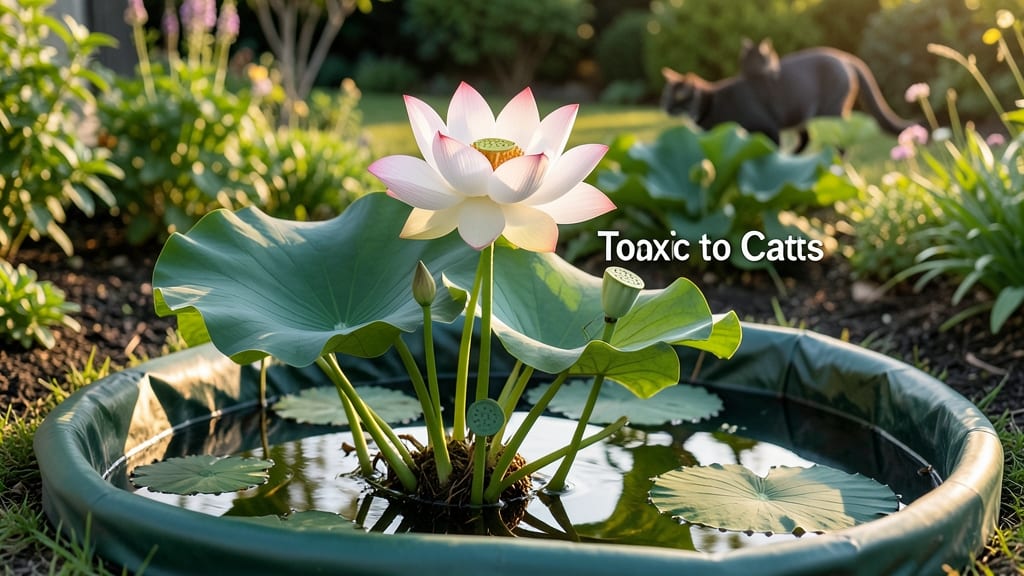
Lotus flowers are not considered poisonous to cats, but their safety depends on the specific part ingested and your cat’s sensitivity.
Your cat’s curious nature might lead them to nibble on your stunning 🌸 lotus flowers—but could this be dangerous? While the petals and leaves are generally non-toxic, the rhizomes (root-like structures) can cause mild stomach upset. Symptoms like vomiting or diarrhea are possible, but severe reactions are rare.
If your garden includes lotus plants, it’s wise to monitor your cat’s behavior around them. Even non-toxic plants can cause digestive issues if eaten in large quantities. Knowing the risks helps you keep your feline friend safe while still enjoying your garden’s beauty.
Below, I’ll cover the full breakdown of lotus toxicity, symptoms to watch for, and safer alternatives for a pet-friendly garden. You’ll also find steps to take if your cat does ingest any part of the plant, so you’re prepared for anything.
Lotus flower toxicity in cats: symptoms, risks & medical concerns
As a gardener who loves the serene beauty of lotus flowers (Nelumbo spp.), I’ve often wondered: are lotus flowers poisonous to cats? The short answer is yes—they contain compounds that can cause mild to moderate toxicity in felines.
While not as dangerous as lilies or foxglove, lotus ingestion still warrants attention, especially if your cat has a habit of grazing on garden plants.
Lotus flowers contain alkaloids and saponins, which are naturally occurring chemicals that can irritate a cat’s digestive system. The severity depends on how much your cat consumes and their size.
A single nibble might cause mild symptoms, while larger amounts could lead to more serious reactions. Understanding the risks helps you protect your curious kitty while still enjoying these aquatic beauties.
Before we dive into symptoms, it’s crucial to note that lotus toxicity varies by plant part. The roots are generally more toxic than the leaves or flowers, but all parts can pose risks.
If your cat has access to your garden pond or water feature where lotuses grow, keep a close eye on their behavior after they’ve been near the plants.
The ASPCA and Pet Poison Helpline classify lotus flowers as mildly toxic to cats. This means while they won’t cause immediate, life-threatening reactions like some other plants, they can still lead to discomfort or more severe symptoms if ingested in large quantities.
As a pet owner, I always err on the side of caution when it comes to my feline’s safety.
Now, let’s address the callout-warning you need to see immediately:
Yes, lotus flowers (Nelumbo spp.) contain alkaloids and saponins that can cause mild to moderate toxicity in cats. While not as dangerous as lilies, ingestion can lead to gastrointestinal upset, lethargy, or vomiting. Roots are most toxic, but all parts should be monitored.
🌱 Action: Remove access to lotus plants if your cat shows interest in them.
If your cat ingests lotus flowers, watch for gastrointestinal symptoms first. These may include drooling, vomiting, diarrhea, or loss of appetite. In some cases, cats may also exhibit lethargy or weakness, signaling that their system is struggling to process the plant’s compounds.
These symptoms typically appear within 6 to 12 hours after ingestion, giving you a window to act if you suspect your cat has nibbled on the lotus.
Neurological symptoms are less common but possible with larger ingestions. If your cat shows signs like stumbling, tremors, or dilated pupils, this indicates a more severe reaction and requires immediate veterinary attention.
As a cat owner, I’ve learned to trust my instincts—if something seems “off,” it’s always better to contact your vet for guidance.
Determining the severity of lotus toxicity depends on the amount ingested and your cat’s size. A small cat eating a few petals might experience mild vomiting but recover quickly. However, a larger cat consuming roots or multiple flowers could face more serious complications.
Always keep a sample of the plant (if possible) to show your vet, as this helps them determine the best course of treatment.
When deciding whether to seek emergency vet care, consider these factors: duration of symptoms, severity, and your cat’s overall health.
If vomiting or diarrhea persists for more than 24 hours, or if your cat shows signs of dehydration (like sunken eyes or lethargy), don’t hesitate to call your vet. In my experience, early intervention makes a world of difference in recovery.
To minimize risks, consider cat-safe garden alternatives that offer similar beauty without the toxicity. Plants like marigolds, sunflowers, or spider plants are non-toxic and can add vibrant colors to your garden while keeping your feline safe.
I’ve successfully replaced lotuses in my pond with water hyacinths (Thrichia), which are also pet-friendly and equally stunning.
In summary, while lotus flowers aren’t highly toxic like some other garden plants, they still pose risks to cats. Stay vigilant, monitor your feline’s behavior, and opt for safer alternatives to enjoy gardening without guilt. Your cat’s health is worth the peace of mind! 🌿
Safe garden alternatives to lotus flowers for cat owners
If you love the elegant beauty of lotus flowers but worry about your curious cat, don’t fret! There are plenty of stunning, non-toxic alternatives that mimic their serene charm. These cat-friendly plants offer similar visual appeal while keeping your feline safe from accidental nibbling.
I’ve curated a list of the safest options that thrive in similar conditions to lotus flowers.
When selecting replacements, prioritize plants with large leaves or bold colors—these tend to deter cats naturally. Additionally, consider elevated planters or hanging baskets for delicate blooms, making them less accessible to your cat. The key is balancing beauty with safety while maintaining your garden’s aesthetic.
🌿 Top Cat-Safe Alternatives to Lotus Flowers
- Marigolds (Tagetes spp.) - Bright blooms repel pests naturally and are completely non-toxic. Plant in full sun with well-draining soil.
- Sunflowers (Helianthus annuus) - Towering stems create visual drama while being harmless. Choose dwarf varieties for smaller gardens.
- Spider Plants (Chlorophytum comosum) - Hardy and non-toxic, with arching foliage that mimics lotus elegance. Perfect for hanging baskets.
- Calendula (Calendula officinalis) - Edible petals add golden pops of color and are completely safe. Great for pollinators too!
- African Violets (Saintpaulia) - Compact and non-toxic, these produce delicate blooms year-round. Keep in bright, indirect light.
For maximum safety, I recommend placing these alternatives in areas where your cat has limited access. Use raised beds with 3-foot edges or decorative barriers to create cat-free zones. This approach lets you enjoy stunning blooms while keeping your curious companion safe from any potential mishaps.
Another clever strategy is to incorporate cat grass (wheatgrass) nearby. Cats are naturally drawn to it, redirecting their attention away from your prized plants. This creates a win-win situation where your garden remains both beautiful and safe for your feline friend.
Remember that even non-toxic plants can cause mild stomach upset if eaten in large quantities. Always monitor your cat’s behavior around new plants and consult your vet if you notice any unusual symptoms. With these alternatives, you can create a garden that’s as safe as it is stunning!