
Flowers
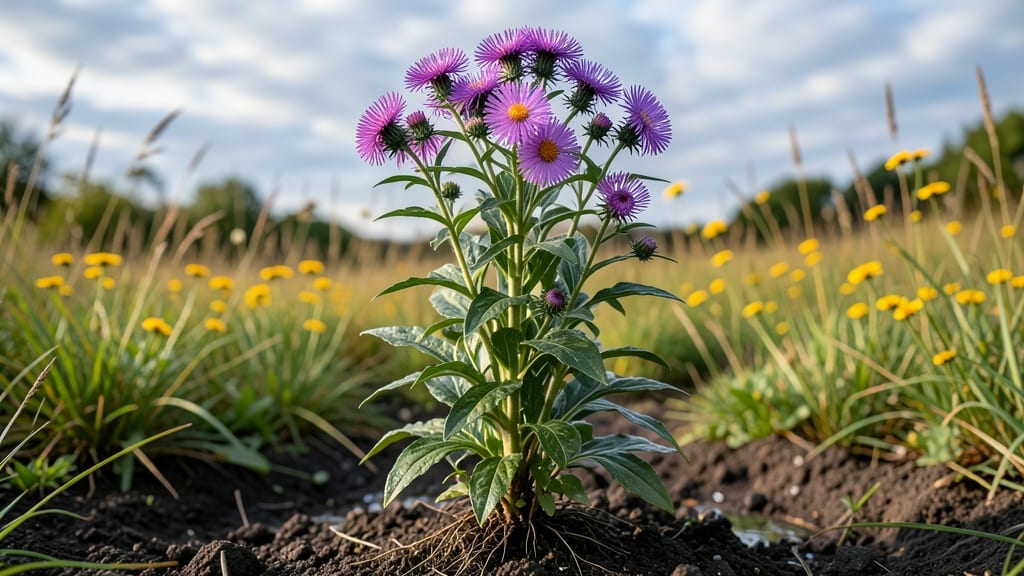
Aster flower height can transform your garden from a sea of green to a dramatic vertical canvas—think 6-inch cascades or 6-foot sentinels framing your patio.
Planning your garden’s vertical space? Asters deliver stunning color in heights ranging from compact 6-inch mounds to towering 6-foot giants, each variety offering unique garden impact. But choosing the right height isn’t just about aesthetics—it’s about maximizing bloom time, airflow, and even pollinator traffic.
Some varieties, like the dwarf 'Wood’s Blue', stay under 2 feet, perfect for borders or containers, while others, like the tall 'New England Aster', reach 4-6 feet and thrive as back-of-the-border stars.
The key? Matching your space to the plant’s mature size—because nothing ruins a garden faster than a top-heavy giant flopping over in a summer storm.
In this guide, you’ll find exact height ranges for 12+ varieties, plus pro tips for controlling height through pruning, sunlight tweaks, and strategic spacing. Whether you’re designing a cut-flower garden or a pollinator-friendly border, we’ve got the height breakdowns to help you plant with confidence.

Aster flower height by variety: compact to towering options
Asters are one of the most versatile late-season bloomers, offering height diversity that lets you create stunning vertical layers in your garden. Whether you need compact ground cover or towering backdrops, there's an aster variety perfect for your space.
The key is understanding each type's mature height to plan spacing and placement effectively.
From 6-inch dwarf varieties that spill beautifully over container edges to 6-foot giants that command attention in cottage gardens, asters adapt to nearly every garden design. I've grown these myself and can tell you firsthand how their height differences transform seasonal interest from summer through frost.
The 'Prof. Kippenberg' variety is my go-to for containers—its 6-12-inch height creates perfect spilling edges that cascade beautifully over pot rims. I've used it in window boxes where its compact growth prevents overcrowding while providing months of color from late summer through frost.
For mid-height options like 'Harry' Series (24-30 inches), I recommend planting them in groups of three for a natural, full look. These varieties work exceptionally well in cut-flower arrangements, providing sturdy stems that hold up well in vases.
I always plant them near my sunflower patch to create a layered effect.
Taller varieties like 'October Skies' (42-48 inches) need sturdy support
How aster height affects garden design and spacing needs
Aster height isn’t just about how tall they grow—it’s about how they transform your garden’s architecture. A 12-inch 'Blue Wood Aster' creates a lush, low border, while a 5-foot 'New England Aster' becomes a dramatic focal point.
The right spacing ensures airflow for disease prevention and light penetration for healthy blooms.
Taller asters (3–6 feet) need 24–36 inches apart to support their weight and prevent flopping, while dwarf varieties (6–18 inches) thrive 12–18 inches apart. Mixing heights in borders creates visual layers, but crowding can lead to fungal issues or stunted growth.
Let’s break down how to use height to your advantage.
- 1. Dwarf Asters (6–18"): Space 12–18" apart for borders or containers. Ideal for front-of-bed planting or pollinator-friendly ground cover.
- 2. Medium Asters (18–36"): Plant 18–24" apart. Perfect for mid-border layers or cut-flower arrangements with sturdy stems.
- 3. Tall Asters (36–60"): Allow 24–36" spacing. Use as backdrop plants or privacy screens in perennial beds.
- 4. Container Planting: Mix heights in 15-gallon pots—place tall varieties in the center, dwarfs at edges. Ensure drainage holes to prevent root rot.
- 5. Wind Resistance: Stake tall varieties (e.g., 'Purple Dome') in exposed areas. Use soft ties to avoid stem damage.
For cut-flower gardens, taller asters like 'Harry' (4–5 feet) provide long stems, but space them 30 inches apart to avoid overcrowding. Pair them with shorter varieties like 'Little Carlow' (12 inches) to create height contrast in bouquets.
In perennial borders, stagger heights by placing tall asters at the back, medium varieties in the middle, and dwarfs at the front. This layered approach adds depth and extends the blooming season, as shorter asters often flower earlier than their taller counterparts.
Pro tip: If your asters grow too tall, prune back by 1/3 in early summer to encourage bushier growth and prevent flopping. This works especially well for New England Asters, which can become top-heavy without support.
Remember, spacing isn’t just about aesthetics—it’s about creating a healthy, thriving garden. Whether you’re designing a pollinator paradise or a cut-flower haven, let aster height guide your layout for a show-stopping display every season. 🌼