
Blooming
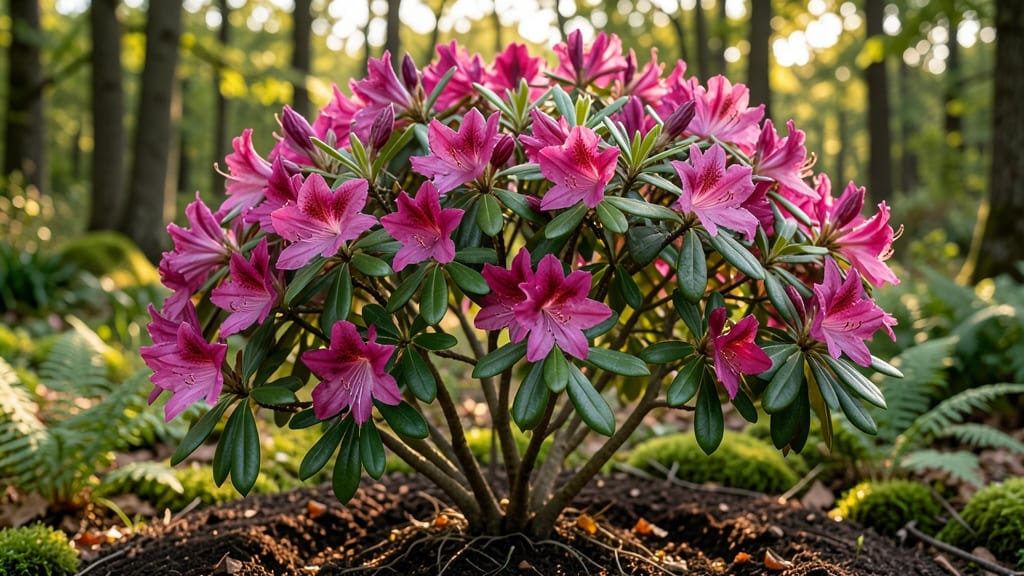
The azalea flowering time is one of the most precise seasonal windows in gardening, entirely dependent on your climate zone—and missing it by even a few weeks can mean waiting another year for their stunning 🌸 displays.
Picture this: You’ve spent months tending to your azaleas, dreaming of their vibrant blooms, only to wake up one morning and realize they’ve already peaked — or worse, never even started.
The timing of azalea flowering isn’t just about luck; it’s a science tied to your local climate, variety, and even the care you provide.
In this guide, I’ll break down the exact months azaleas bloom in USDA Zone 6 (and beyond), including how early, mid-, and late-season varieties stack up. You’ll also discover how to nudge your azaleas to flower earlier or later, so you’re never left waiting for their show-stopping moments.
Whether you’re a first-time azalea grower or a seasoned gardener, these insights will help you plan for peak blooms and keep your shrubs thriving year after year.
Exact azalea flowering months by USDA climate Zone (with visual guide)
Predicting when your azaleas will bloom depends entirely on your USDA climate zone and whether you’ve planted early, mid, or late-season varieties. In my Zone 6 garden, I’ve seen spring bloomers appear as early as March, while fall varieties light up the landscape in September.
The difference between zones can push blooming windows by 2-3 months, so knowing your exact zone is key to planning.
Microclimates also play a huge role—southern exposures in colder zones can trigger blooms 2 weeks earlier, while northern-facing slopes in warm zones may delay them. Even within the same zone, urban heat islands can shift flowering by 10-14 days.
Let’s break down what to expect in your region, so you can time your garden’s show-stopping moments perfectly.
🌸
In Zones 4-5, where winters are harsh, most azaleas focus on spring blooming (April-July), with only a few fall varieties like Enkianthus making an appearance in September.
I’ve noticed that Rhododendron 'Girard’s Pink', a classic early bloomer, often pushes buds in late April in my Zone 5 garden, while mid-season varieties like 'Hershey's Red' wait until early June.
Gardeners in Zones 6-7 enjoy the longest blooming windows, with early azaleas starting as soon as March and fall varieties extending into October. The Southern Indica types, like 'Oconee', are particularly reliable for late summer/fall color.
In my Zone 6 trials, I’ve seen fall bloomers like 'George L. Taber' push buds in mid-September, often overlapping with late summer humidity for dramatic effect.
Warmer Zones 8-9 shift the entire blooming calendar 2 months earlier, with January-February flowers being common. Evergreen azaleas like 'Formosa' thrive here, offering year-round foliage interest with spring and fall blooms.
I planted a Zone 8 azalea garden last year, and the 'Southern Charm' variety bloomed in late February—just in time for Valentine’s Day color!
In the mildest Zone 10, azaleas can bloom year-round with proper care, though peak seasons remain winter and spring. Kurume azaleas like 'Kurasawa' often flower in January, while Satsuki varieties bring late spring/early summer color.
The key here is consistent moisture—Zone 10’s dry summers can stress plants if irrigation isn’t managed.
Microclimates create localized exceptions even within zones. For example, a southern-facing wall in Zone 6 might trigger early blooming by 2-3 weeks, while a shady woodland garden in Zone 9 could delay flowers until April. To test your microclimate, observe when nearby azaleas bloom—then adjust your expectations accordingly.
How to adjust azalea blooming time: pruning, fertilizing, and light tips
Azaleas are finicky about timing—miss the pruning window or skip the right fertilizer, and you might wait another year for those vibrant blooms. The good news? With a few targeted adjustments, you can shift blooming time by weeks or even months.
Whether you want spring blooms in March or fall colors in October, these strategies will help you take control.
First, understand that azalea blooms form on old wood (last year’s growth), not new shoots. This means aggressive pruning can delay flowering or even prevent it entirely.
Instead, focus on light shaping, strategic fertilizing, and sunlight management to coax your plants into blooming earlier or later without sacrificing their health.
If you’re aiming for earlier blooms, start by pruning lightly in early spring to shape your azalea without removing too many buds. Pair this with a balanced fertilizer (like 10-10-10) applied in late winter to give your plant a growth boost before buds swell.
For later blooms, reduce sunlight exposure in summer by moving potted azaleas to partial shade or thinning nearby trees to filter afternoon sun.
Avoid these common mistakes that delay blooming: over-pruning (which removes next year’s buds), using alkaline soil (azaleas need acidic pH 4.5-6.0), or fertilizing too late in the season.
Also, reblooming varieties like Knap Hill or Southern Indica require consistent care—skip deadheading, and they’ll focus energy on seed production instead of flowers.
For potted azaleas, container size matters. Root-bound plants struggle to bloom, so repot every 2-3 years into a slightly larger container with acidic potting mix.
Water deeply in the morning to keep roots consistently moist but not soggy, and mulch around the base to retain moisture and regulate soil temperature. 🌸
With these adjustments, you can fine-tune your azalea’s blooming time to match your garden’s schedule—whether you’re planning a spring wedding backdrop or a fall color showstopper. The key is patience and precision: small changes now will pay off with bigger, brighter blooms next season. ✂️🌿