
Container Gardens
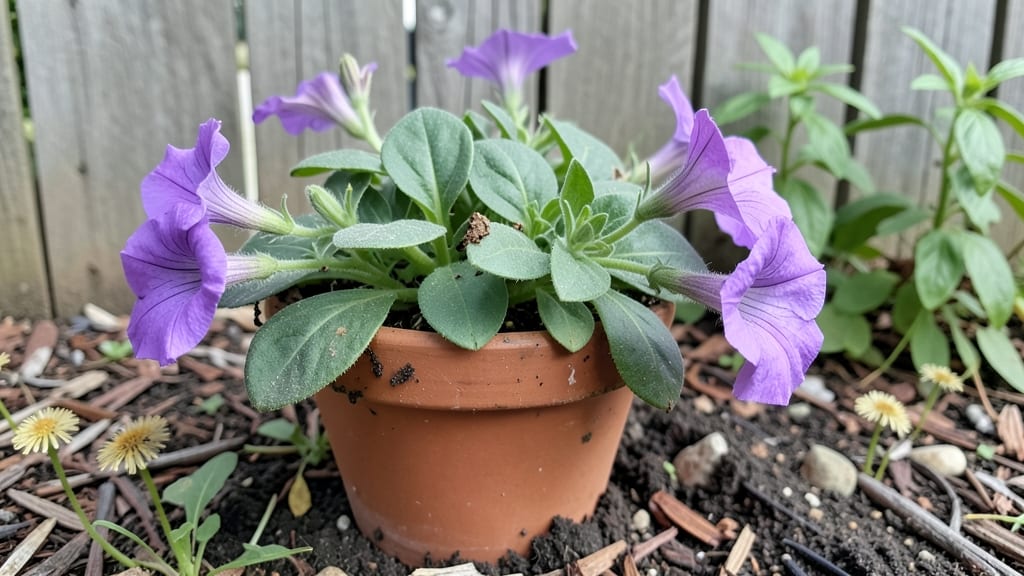
A balcony flower garden transforms even the tiniest outdoor space into a vibrant burst of color and fragrance. 🌿 I’ve turned my own 5-foot-wide balcony into a year-round showstopper using just a handful of containers and the right plant choices—no green thumb required.
The key isn’t fancy setups but smart selections that thrive in limited space, from trailing petunias to compact geraniums that spill over edges like a waterfall.
Start with containers that fit your railing or floor space—think hanging baskets for height, shallow troughs for herbs, and self-watering pots to cut down on maintenance.
Sunlight is your biggest ally: most flowering plants need at least 6 hours of direct light daily, so group containers where they’ll get the most exposure. A mix of annuals and perennials keeps things lively all season, and drought-tolerant picks like lavender or succulents reduce watering hassles.
By summer’s end, you’ll have a balcony that feels like a secret garden—fragrant blooms at eye level, cascading greenery, and a space that actually invites you outside.
The best part? You’ll customize it exactly to your style, whether that’s bold colors, soft pastels, or a mix of textures. Let’s make your small space unforgettable.
Works for any balcony size, from city apartments to suburban patios, and adapts to seasonal swaps. Here’s how to start without overcomplicating it.
📚 In This Guide
- What you need
- Instructions
- Tips and common mistakes
- Wrapping up and next steps
What you need
- ● Containers: 1–3 flower pots (5–15 gallons, with drainage holes). Choose materials like terracotta, ceramic, or lightweight plastic.
- ● Hanging baskets (1–2, 10–12 inches wide) for trailing plants like petunias or ferns.
- ○ Window boxes (optional, 6–12 inches deep) if your railing allows.
- ● Potting Mix: 1–2 bags of high-quality, well-draining soil (look for "container mix" or "potting soil" with perlite/vermiculite). Avoid garden soil—it compacts and drains poorly!
- ● Drainage: Small gravel or pebbles (1–2 cups per pot) to improve aeration at the bottom.
- ● Fertilizer: 1 slow-release granular fertilizer (like Osmocote) or a liquid bloom booster (e.g., Miracle-Gro).
- ● Organic options (e.g., fish emulsion or compost tea) for eco-friendly growing.
- ● Tools: 1 trowel (for planting and soil adjustments).
- ● 1 spray bottle (for misting seedlings or delicate blooms).
- ● 1 pruning shears (to trim dead flowers or overgrowth).
- ● 1 gloves (to protect your hands from thorns or soil).
- ● Self-watering planters (if you travel often or forget to water).
- ● Mulch (like pine bark or coconut coir) to retain moisture and suppress weeds.
- ● Decorative stones or mosaic tiles to elevate your garden’s aesthetic.
- ● Lightweight trellises (for climbing plants like morning glories or jasmine).
- ● Soil moisture meter (to check hydration levels without overwatering).
- ● A sunlight assessment of your balcony (note hours of direct/indirect light per day).
- ● Access to water (a hose or watering can with a long spout).
- ● Basic knowledge of plant care (or willingness to research! 📚).
- ● Space for airflow (avoid crowding plants—aim for 6–12 inches between containers).
Step-by-Step guide to designing a thriving balcony flower garden
Here’s how to transform limited space into a vibrant floral display using the right containers and plants.
🪴 Step 1: Select Containers and Arrange for Sunlight
Choose containers with drainage holes—hanging baskets, window boxes, or shallow troughs—to match your balcony’s layout. I like to group pots by sunlight needs: full sun for petunias and geraniums near the railing, and partial shade for impatiens or fuchsias along the wall. Measure your space first; 6-12 inch pots work best for single blooms, while 18-inch troughs accommodate trailing plants like nasturtiums.
Place taller plants—like snapdragons or salvias—at the back of containers to avoid shading smaller flowers. If your balcony gets afternoon sun, rotate pots weekly so plants grow evenly. Watch for leaf scorch (brown edges) on new leaves—this means the light is too intense for that variety.
🌱 Step 2: Use Lightweight Potting Mix and Plant Strategically
Fill containers with 2-3 gallons of premium potting mix (never garden soil—it compacts and drains poorly). Add 1 tablespoon of slow-release fertilizer per pot to feed blooms over 8-12 weeks. For 4 plants per container, dig holes twice as wide as the root ball and place each plant 1-2 inches deeper than its nursery pot to stabilize stems.
Pair plants with complementary water needs: drought-tolerant succulents (like sedum) alongside thirsty begonias won’t work—one will dry out while the other rots. I always plant trailing varieties (like lobelia) at the edges so they spill over gracefully. Press soil gently around roots to remove air pockets, then water until it drains from the bottom holes.
☀️ Step 3: Water and Feed for Continuous Blooms
Check soil moisture daily in summer—stick your finger 1 inch deep. If it’s dry, water until liquid runs from drainage holes. Overwatering causes yellow leaves and root rot, so let the top ½ inch dry out between waterings. For 4 plants, 1 gallon of water per container usually does the trick, but adjust based on heat and wind exposure.
Feed every 2-3 weeks with liquid bloom booster (diluted to half-strength) to encourage vibrant flowers. I mix it into water so I don’t forget—never fertilize stressed plants (like those recovering from transplant shock). Watch for drooping leaves by midday: this signals thirst, not disease.
✂️ Step 4: Prune and Deadhead for Longevity
Pinch back leggy stems (those stretching toward light) to encourage bushier growth. For petunias and geraniums, snip spent blooms at the first set of leaves below the flower to prompt new buds. I use clean, sharp scissors to avoid crushing stems—dull tools tear tissue, inviting pests.
Trim trailing plants when they reach 12 inches long to control sprawl. If flowers slow down in late summer, give them a light trim (cutting back ⅓ of the plant) to rejuvenate growth. Deadhead daily if possible—impatiens and zinnias reward quick attention with nonstop blooms.
Tips & tricks for perfect balcony flower gardens
Balcony gardening transforms tight spaces into lush floral havens—here’s how to avoid common pitfalls and elevate your design from charming to extraordinary.
Container Selection Wisdom: The right container isn’t just about aesthetics—it’s about function. For 6-12 inch pots, opt for lightweight materials like terracotta or fiberglass to prevent shoulder strain during watering. Terracotta breathes better in hot afternoons, while fiberglass retains moisture longer in windy conditions. If using 18-inch troughs, add a liner to protect wooden surfaces from moisture damage. I always check drainage holes before planting—clogged holes lead to root rot faster than you’d think.
Sunlight Strategy: That weekly rotation in Step 1 isn’t just about even growth—it’s a lifesaver for afternoon sun exposure. If your balcony faces west, move sun-loving plants like petunias to the north side of containers by 2 PM to prevent leaf scorch. For shade-loving varieties, place them on the east side where morning light is gentler. Pro tip: Use reflective surfaces like white paint or aluminum foil behind containers to bounce extra light onto plants without direct sun exposure.
Plant Pairing Secrets: The 4-plant-per-container rule works best when you pair plants with similar water needs. For example, group begonias with coleus—both thrive with consistent moisture. Avoid mixing succulents with thirsty plants; even a 1-inch difference in soil moisture can create a microclimate disaster. I always test soil moisture in each container separately—what works for one plant might drown another. A moisture meter (around $10) takes the guesswork out of this completely.
Pruning Precision: When trimming trailing plants at 12 inches, use a clean, sharp pair of scissors—dull blades crush stems, inviting pests and disease. For petunias and geraniums, always snip just above the first set of leaves below the bloom. This encourages bushier growth and prevents leggy stems. I’ve found that pruning in the morning gives plants the entire day to recover before evening temperatures drop, which helps them bounce back faster.
Pro Tips for Balcony Flower Garden
- Balcony gardening transforms tight spaces into lush floral havens—here’s how to avoid common pitfalls and elevate your design from charming to extraordinary.
- Container Selection Wisdom: The right container isn’t just about aesthetics—it’s about function.
- Sunlight Strategy: That weekly rotation in Step 1 isn’t just about even growth—it’s a lifesaver for afternoon sun exposure.
Frequently asked questions
Got questions about turning your balcony into a blooming paradise? You’re not alone! Here are answers to some of the most common queries about balcony flower gardens—so you can dive in with confidence.
How much sunlight does a balcony flower garden need?
Most balcony flowers thrive with 4–6 hours of direct sunlight daily—think morning sun or afternoon light. If your space is shady, opt for low-light lovers like Impatiens or Fuchsias. Use a sunlight tracker app to gauge your balcony’s exposure before planting.
When’s the best time to start a balcony flower garden?
Spring or early summer (after the last frost) is ideal for most flowers, but you can plant cool-season blooms like pansies or snapdragons in late summer/early fall. If you’re impatient, start with fast-growing annuals like marigolds or zinnias—they pop up in weeks!
How do I keep balcony plants from drying out?
Drought stress is a common issue! Use well-draining pots with holes and mulch the soil surface to retain moisture. Water deeply in the morning (when evaporation is low) and check soil moisture with your finger—if the top inch feels dry, it’s time to water. For extra humidity, group pots together or mist leaves.
What are some low-maintenance balcony flowers?
If you want minimal fuss, try these hardy picks:
- Petunias – Colorful and drought-tolerant once established.
- Geraniums – Thrives in heat and needs little water.
- Succulents (like Echeveria) – Nearly indestructible and water-wise.
- Begonias – Loves shade and blooms all season.
These require less than 15 minutes of care per week—perfect for busy urban dwellers!
Why aren’t my balcony flowers blooming?
No blooms? Check these culprits:
- Over-fertilizing – Too much nitrogen = lush leaves, few flowers. Use a balanced bloom booster instead.
- Insufficient sunlight – Move pots to sunnier spots (even a reflective surface helps!).
- Stress from transplant shock – Give new plants 2–3 weeks to adjust before expecting flowers.
For stubborn plants, prune dead blooms to encourage new growth!
Wrapping up and next steps
Creating a balcony flower garden is all about turning limited space into a vibrant, fragrant oasis—no green thumb required! 🌸 With the right containers, sun-loving blooms, and a little care, you’ll enjoy bursts of color and fresh air right outside your door.
Start small, experiment with textures, and don’t forget to celebrate every bloom—your balcony deserves to shine.
Ready to get growing? Pick one plant or container this weekend and watch your tiny garden transform. Happy planting! 🌱