
Trees
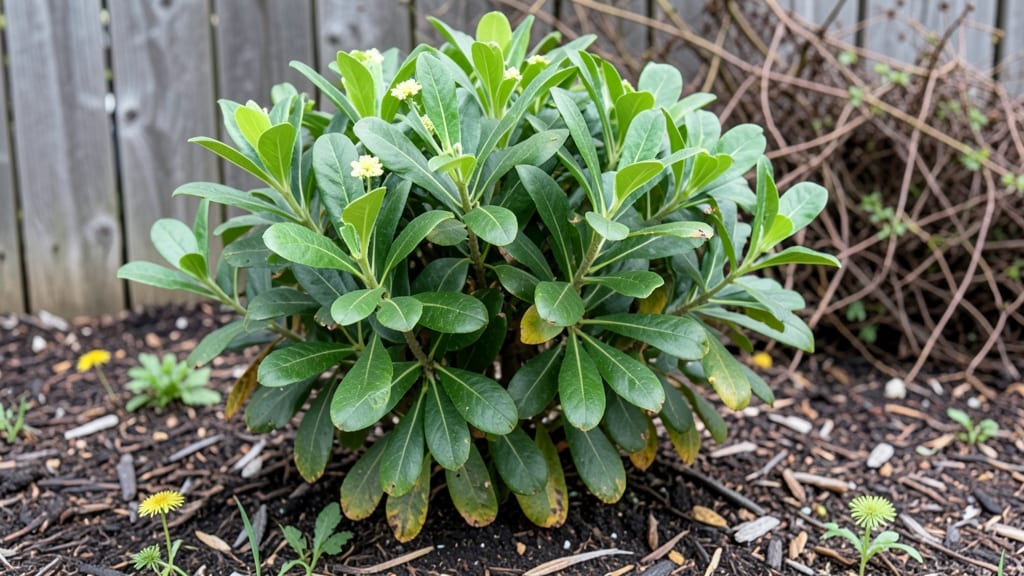
Your bay trees flowering is a rare treat that most gardeners never see—yet it’s not impossible with the right approach.
If you’ve ever wondered why your 🌿 Bay Laurel seems content with just its signature leaves but never blooms, you’re not alone. Most gardeners overlook the subtle cues that trigger those fragrant white flowers, which appear only under very specific conditions.
The secret lies in balancing light, soil, and seasonal care—without forcing the plant into stress.
Flowering isn’t just about patience; it’s about creating the ideal environment. Too much shade, improper pruning, or inconsistent watering can keep your bay tree from ever producing blooms.
But with the right techniques—like strategic pruning in spring and adjusting soil nutrients—you can encourage your tree to finally show off its delicate flowers.
In this guide, I’ll break down the science behind bay tree flowering, share natural methods to coax blooms, and debunk common myths that might be holding your tree back. Let’s get your 🌿 Bay Laurel ready for its first fragrant display!
When do bay trees normally flower and what triggers the process?
Bay trees (Laurus nobilis) are famous for their aromatic leaves, but their delicate white flowers remain a mystery to many growers. In nature, these trees typically bloom in late spring to early summer, producing small, fragrant clusters that attract pollinators.
However, most potted bay trees rarely flower because they lack the right environmental signals. Understanding these triggers can help you create conditions that encourage blooms naturally.
The flowering process in bay trees is triggered by a combination of seasonal cues, plant maturity, and specific environmental conditions. Unlike many ornamental plants, bay trees prioritize leaf production over flowers, making blooms a secondary focus.
For flowering to occur, your tree must first reach maturity (3-5 years old) and experience the right balance of sunlight, temperature, and humidity.
Here’s the key: Bay trees need consistent partial shade (4-6 hours of direct sun) and moderate humidity to set flower buds. In USDA Zones 6-10, blooming typically begins in May or June, coinciding with rising temperatures and increased daylight.
If your tree is indoors or in a container, replicating these conditions can be challenging but not impossible.
🌿
| Factor | Optimal Condition | Why It Matters |
|---|---|---|
| Age | 3-5 years | Young trees focus on root/leaf growth. |
| Sunlight | 4-6 hours/day | Too much sun stresses the tree; too little delays blooming. |
| Temperature | 60-75°F | Cooler nights and warm days trigger bud formation. |
| Humidity | 50-70% | Low humidity causes buds to dry out before opening. |
| Soil pH | 6.0-7.0 | Acidic or alkaline soil limits nutrient uptake for flowers. |
| Watering | Deep, consistent | Drought stress or soggy roots prevent bud development. |
One of the biggest reasons potted bay trees don’t flower is because they’re often kept indoors with low humidity and inconsistent light. If your tree is in a container, moving it outdoors during spring and summer can signal it to produce flowers.
Aim for a protected spot with morning sun and afternoon shade to mimic natural conditions. Even a few hours of fresh air and indirect sunlight can make a difference.
Temperature fluctuations also play a crucial role. Bay trees need a cool winter dormancy period (below 50°F) followed by warm spring days to trigger blooming. If you’re growing your tree in a warm climate year-round, like Zone 10, it may bloom sporadically but less reliably.
In contrast, trees in cooler zones (6-8) often produce more consistent flowers because they experience natural seasonal shifts.
Humidity is another critical factor. Bay trees thrive in 50-70% humidity, which is common in their native Mediterranean climate. If your home is dry, consider using a humidifier or placing the pot on a pebble tray with water to raise moisture levels.
Low humidity causes flower buds to abort before opening, so maintaining consistent moisture is key.
Finally, soil fertility affects flowering. While bay trees aren’t heavy feeders, they do need balanced nutrients to produce blooms. A light application of compost or slow-release fertilizer in early spring can provide the nutrients needed for flower development.
Avoid high-nitrogen fertilizers, which promote leafy growth at the expense of flowers. Instead, opt for a 10-10-10 or 5-10-10 blend to encourage blooming.
If your bay tree still refuses to flower after adjusting these conditions, don’t be discouraged. Many mature bay trees focus on leaf production because they’re adapted to thrive as evergreen shrubs rather than ornamental flowering plants.
The priority should always be plant health—if your tree is happy and thriving, it’s already doing its job. However, with patience and the right care, you might just coax those fra
Natural methods to encourage bay tree blooms without chemicals
Bay trees (Laurus nobilis) are prized for their aromatic leaves, but their delicate white flowers often go unnoticed. The key to encouraging blooms lies in mimicking their natural habitat—moist, well-draining soil, partial sunlight, and minimal stress.
Unlike many ornamental plants, bay trees prioritize foliage growth over flowers, so you’ll need to create the right conditions to trigger this less common but equally rewarding phase.
Most gardeners focus on leaves, but flowering requires energy redirection—something your bay tree won’t do unless it feels secure. Start by adjusting your care routine to reduce competition for nutrients and stress factors.
Small, consistent changes—like pruning for airflow or amending soil with organic matter—can make a surprising difference in just one growing season.
- 1 Prune strategically: Cut back 1/3 of new growth in late winter to encourage spring flowering. Focus on inner branches to improve airflow and sunlight penetration.
- 2 Adjust soil pH: Bay trees thrive in slightly acidic to neutral soil (pH 6.0–7.0). Test your soil and amend with compost or pine needles if needed—this mimics their Mediterranean native conditions.
- 3 Water deeply but infrequently: Aim for 1–2 gallons per week in summer, letting the top 2 inches of soil dry between waterings. Overwatering stresses roots, diverting energy away from flowers.
- 4 Use companion planting: Pair bay trees with lavender or rosemary—these herbs share similar care needs and may signal the tree to focus on reproductive growth.
- 5 Create microclimates: Place pots near stone walls or fences to retain warmth at night, which mimics coastal Mediterranean climates where bay trees naturally bloom.
One of the most overlooked factors is light exposure timing. Bay trees need 4–6 hours of morning sun but can handle afternoon shade. If your tree is indoors, position it near an east-facing window—this prevents leaf scorch while providing the gentle light that triggers flowering hormones.
Avoid harsh afternoon sun, which can stress the plant and delay blooms.
For container-grown bay trees, root-bound conditions can actually encourage flowering by mimicking the natural crowding of their Mediterranean habitat. If your tree hasn’t bloomed in 3+ years, it’s likely time to repot into a slightly larger container (just 2–3 inches wider) to stimulate new growth.
Use a well-draining mix of 50% potting soil, 30% perlite, and 20% compost to replicate their native soil structure.
Patience is key—bay trees may take 2–3 years of consistent care to produce flowers, but the effort is worth it. Once blooms appear, they’ll reward you with fragrant, star-shaped flowers that attract pollinators and add a touch of elegance to your garden.
Focus on long-term health over quick fixes, and your bay tree will eventually shift its energy from leaves to flowers—naturally and without chemicals. 🌿