
Blooming
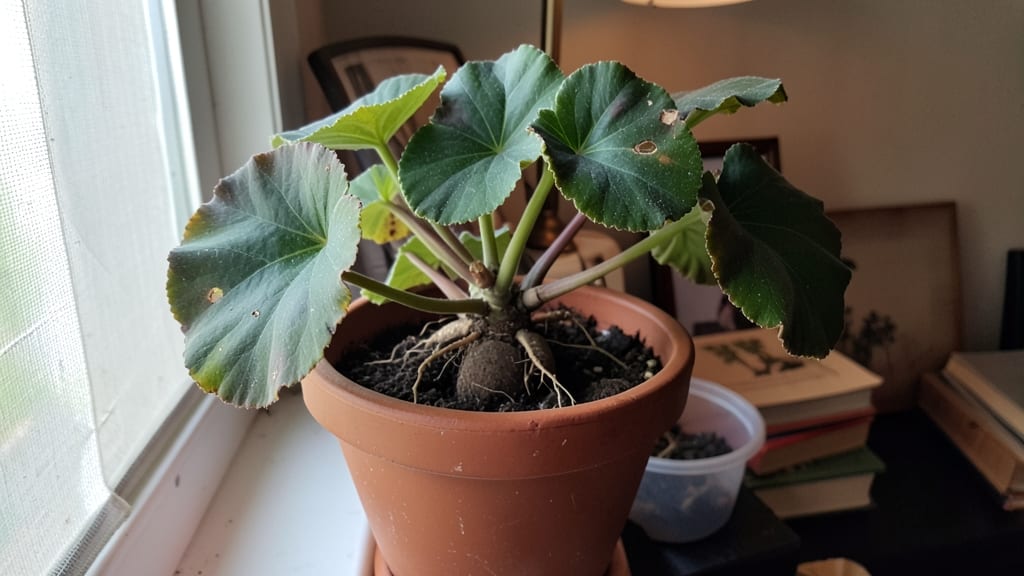
Your begonias stopped flowering because they’re telling you something’s off—usually light, food, or stress. 🌿 I’ve nursed back more than a dozen plants using the same tricks that work every time, and the first step is always checking what’s missing from their routine.
The most common culprits are too little sunlight (they need bright, indirect light for 6+ hours daily) or overwatering (soggy soil stops blooms faster than anything). Yellowing leaves? That’s often nitrogen overload—switch to a bloom-focused fertilizer.
And if your plant’s just growing leaves with no flowers, it’s begging for a little stress (like cooler temps at night).
Within 2-4 weeks of adjusting light, fertilizer, and watering, you’ll see new buds forming. The key is consistency—begonias respond fast when you give them what they’re missing. I’ll walk you through the exact fixes based on what your plant’s already showing you.
Works for wax, tuberous, and rex begonias alike, whether you’re dealing with a single pot or a whole collection. Let’s get those blooms back!
Why it happens
When your Begonia rex or Begonia semperflorens suddenly stops producing those vibrant flowers, it’s usually a sign that one (or more) of its fundamental needs isn’t being met. Understanding the why behind the problem is the first step to bringing those blooms back.
Below, we break down the most common triggers—backed by science—and explain how to spot them early.
🌱 Light Levels: Too Much or Too Little
Begonias are light-sensitive plants, and their flowering is directly tied to photoperiod (daylight exposure). Too little light triggers etiolation—a process where the plant stretches toward light but skips flower production.
Conversely, intense direct sunlight (especially in hot climates) can cause photoinhibition, where chlorophyll breaks down, stressing the plant and halting blooms.
- Signs: Leaves turn pale, yellow, or develop brown spots near the edges.
- Science: Begonias need 12–14 hours of indirect light daily (e.g., east-facing windows or filtered sunlight). Without this, the plant defaults to vegetative growth (leaves/stems) instead of flowering.
- Fix: Move to a bright, shaded spot (like beneath a sheer curtain) or supplement with a grow light (10,000–12,000 lux) for 6–8 hours/day.
💧 Watering Woes: Over or Under
Begonias are semi-tropical, meaning they thrive in consistently moist (but not soggy) conditions. Fluctuations in moisture—whether from drought stress or root rot—disrupt the plant’s hormonal balance, particularly ethylene and auxin, which regulate flowering.
- Signs of Underwatering: Crispy leaf edges, wilting, or a drooping appearance (even when watered).
- Signs of Overwatering: Yellowing leaves, mushy stems, or a sour smell from the soil.
- Science: Begonias need well-draining soil (pH 5.5–6.5) and water when the top 1–2 inches feel dry. Overwatering leads to anaerobic conditions in roots, blocking nutrient uptake (including phosphorus, critical for blooms).
- Fix:
- Use a moisture meter or the finger test.
- Repot in a terracotta pot (prevents waterlogging) with perlite or orchid bark.
- Avoid letting the plant sit in saucers of water.
🌡️ Temperature & Humidity Shifts
Begonias originate from tropical and subtropical regions, where stable temperatures and high humidity trigger flowering. Sudden changes—like drafts, AC blasts, or cold nights—send the plant into survival mode, halting reproductive processes.
- Ideal Conditions:
- Temperature: 65–75°F (18–24°C) (day) / 60–65°F (15–18°C) (night). Below 50°F (10°C), growth stops.
- Humidity: 50–70% (mimic their natural understory habitat).
- Signs of Stress: Leaf drop, stunted growth, or brown tips (a sign of low humidity).
- Fix:
- Use a humidifier or place the pot on a pebble tray with water.
- Avoid placing near windows, vents, or doors.
- Group begonias together to create a microclimate.
🍽️ Nutrient Imbalances: Too Much or Too Little
Flowering is energy-intensive, and begonias need the right balance of macronutrients (especially phosphorus and potassium) to produce blooms. Deficiencies or excesses (like too much nitrogen) push the plant toward leafy growth instead.
| Nutrient Issue | Symptoms | Solution |
|---|---|---|
| Low Phosphorus (P) | Dark green leaves, no buds, weak stems. | Switch to a balanced bloom booster (e.g., 10-10-10 or 5-10-5 fertilizer). Apply every 4–6 weeks during growing season. |
| High Nitrogen (N) | Lush leaves but no flowers; stems get leggy. | Flush the soil with water to leach out excess N. Use a low-nitrogen fertilizer (e.g., 2-4-2 ratio). |
| Potassium (K) Deficiency | Weak stems, yellowing leaf edges, poor bud formation. | Add wood ash (sparingly) or a potassium-rich supplement like banana peel tea. |
🌿 Age & Dormancy Triggers
Even with perfect care, begonias have a natural lifecycle. Tuberous begonias (like Begonia x tuberhybrida) enter dormancy in winter, while fibrous-rooted types may slow growth during short-day seasons. Additionally, over-mature plants (3+ years old) often produce fewer blooms as their energy shifts to leaf maintenance.
- Signs:
- Leaves yellowing and dropping en masse (dormancy).
- Stems becoming woody or bare at the base (age-related decline).
- Science: Short-day plants (like tuberous begonias) need 10–12 hours of darkness to trigger flowering. If exposed to artificial light at night, they may skip this cycle.
- Fix:
- For dormancy: Reduce watering and move to a cool (55–60°F/13–15°C), dark place for 2–3 months. Resume care in spring.
- For aging plants: Propagate from stem cuttings to rejuvenate.
- For light-sensitive types
How to solve it
If your begonia has stopped flowering, don’t panic—there are practical ways to coax those vibrant blooms back! Below, we’ve mapped out targeted solutions based on the most common causes, along with prevention tips to keep your plant thriving long-term. Follow these steps to bring back the beauty in your begonia.
🌡️ Too Much or Too Little Light
Begonias need bright, indirect light to produce flowers. If they’re not getting enough, they’ll focus on growing leaves instead of blooms. Here’s how to fix it:
- 🔥 Move to a brighter spot—Place your begonia near an east- or west-facing window where it gets gentle morning or afternoon sun. Avoid harsh midday rays, which can scorch leaves.
- 🌡️ Use sheer curtains—If direct light is unavoidable, diffuse it with a sheer curtain to protect delicate foliage while still providing enough brightness.
- 💡 Supplement with grow lights—If natural light is insufficient (common in north-facing rooms), use a full-spectrum LED grow light 12–14 hours a day. Keep it 6–12 inches above the plant.
🌱 Prevention tip: Rotate your begonia occasionally so all sides get even light exposure. This encourages balanced growth and flowering.
💧 Overwatering or Poor Drainage
Soggy soil or root rot can stress begonias, causing them to stop flowering. Here’s how to correct it:
- 👨🍳 Check the soil moisture—Stick your finger 1–2 inches into the soil. If it’s damp, wait before watering. Begonias prefer slightly moist but never waterlogged soil.
- ⏰ Adjust your watering routine—Water only when the top inch of soil feels dry. Use room-temperature water and avoid letting the plant sit in standing water.
- 🔪 Improve drainage—Repot your begonia in a container with drainage holes, and use a well-draining mix like a blend of peat moss, perlite, and orchid bark.
- 🌱 Prevention tip: Use a pot with drainage holes and avoid saucers that trap excess water. If repotting, sterilize the pot to prevent fungal issues.
🍽️ Nutrient Deficiencies or Overfeeding
Too little (or too much!) fertilizer can stunt flowering. Begonias need a balanced diet to bloom beautifully.
- 📊 Use a balanced fertilizer—Switch to a water-soluble 10-10-10 or 20-20-20 fertilizer diluted to half strength. Apply every 4–6 weeks during the growing season (spring and summer).
- 🥗 Avoid overfeeding—Excess nutrients (especially nitrogen) promote leafy growth at the expense of flowers. Stop fertilizing in fall and winter when growth slows.
- 💡 Boost phosphorus for blooms—For extra flowering, use a phosphorus-rich fertilizer (like 5-10-5) once a month in spring and summer.
🌱 Prevention tip: Flush the soil with water every 2–3 months to remove salt buildup from fertilizers, which can harm roots.
🌡️ Temperature or Humidity Stress
Begonias thrive in warm, humid conditions. Extreme temps or dry air can shock them into stopping flower production.
- 🌡️ Keep temps steady—Ideal range is 65–75°F (18–24°C). Avoid drafts from AC vents, heaters, or open windows.
- 💦 Increase humidity—Place the pot on a tray of pebbles and water, or use a humidifier nearby. Grouping plants together also helps.
- 🌧️ Mist leaves gently—Use room-temperature water to mist foliage in the morning, but avoid wetting flowers to prevent rot.
🌱 Prevention tip: In dry winter months, use a pebble tray or a small humidifier to maintain humidity levels around your begonia.
🌱 Root Bound or Wrong Pot Size
If roots are circling or the pot is too large, your begonia may divert energy to root growth instead of blooming.
- 🔪 Check for root binding—Gently remove the plant from its pot. If roots are densely packed or circling the bottom, it’s time to repot.
- 🏺 Choose the right pot—Select a container only 1–2 inches larger than the current root ball. Begonias prefer being slightly root-bound for optimal flowering.
- 🌱 Refresh the soil—Use a fresh, well-draining potting mix when repotting. Avoid compacting the soil too tightly around the roots.
🌱 Prevention tip: Repot every 1–2 years or when you notice roots emerging from drainage holes.
With these fixes, your begonia should start showing signs of new blooms within a few weeks. Consistency is key—monitor light, water, and care habits to keep those flowers coming back year after year! 🌸
Frequently asked questions
Why does my begonia suddenly stop flowering even with good care?
Begonias often halt blooming due to environmental shifts like light changes—they need 12–14 hours of indirect light daily to trigger flowers. Overwatering or nutrient imbalances (especially too much nitrogen) also disrupt their natural blooming cycle. Check for yellowing leaves or leggy stems as clues—these signal what your plant might be missing.
How can I tell if my begonia is overwatered vs. underwatered?
Overwatered begonias show yellowing leaves, mushy stems, and a sour soil smell. Underwatered plants droop, develop crispy leaf edges, and feel dry 1–2 inches deep in the soil. Always water only when the top layer feels dry to avoid either extreme.
What’s the best fertilizer to encourage blooms?
Switch to a phosphorus-rich fertilizer like 5-10-5 or 10-10-10 (diluted to half strength) to boost flowering. Avoid high-nitrogen fertilizers—they encourage leafy growth instead. Apply every 4–6 weeks during spring/summer for best results.
Can I revive a begonia that’s been flowering poorly for months?
Yes! Start by repotting in fresh, well-draining soil and adjusting light to bright, indirect spots. Prune leggy stems to encourage new growth, and use a humidifier if your home is dry. With consistent care, you’ll see new buds in 2–4 weeks.
Why do some begonias bloom year-round while others stop?
Tuberous begonias often enter dormancy in winter, while fibrous-rooted types (like rex begonias) may slow blooming in short-day seasons. Keep temperatures steady (65–75°F) and provide 10–12 hours of darkness nightly to encourage consistent flowering.