
Planting
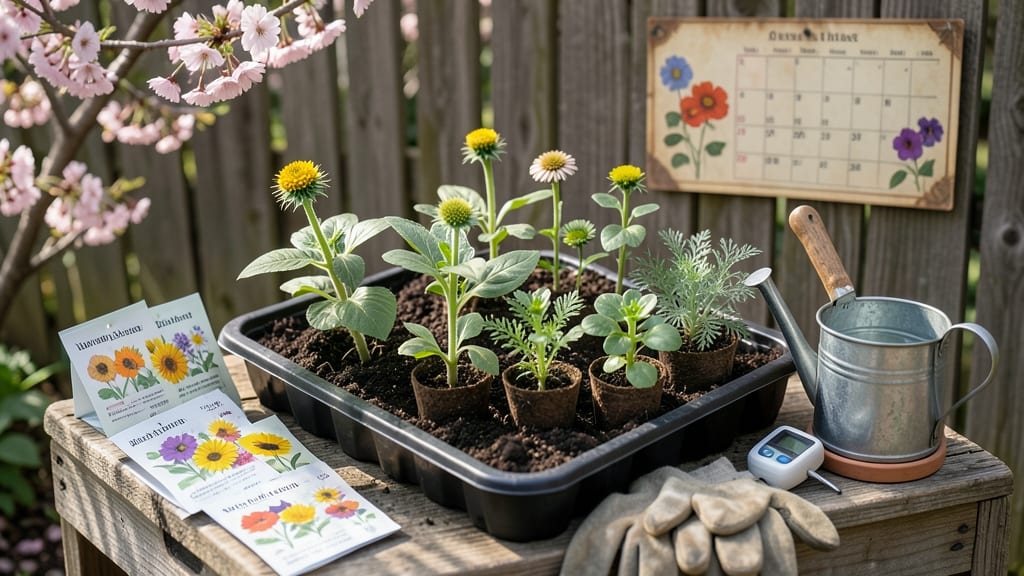
The best time to plant flower seeds 🌸 is after your last frost date in spring or 4-6 weeks before the first frost in fall — but there’s a secret weapon most gardeners miss.
Did you know that planting your flower seeds under the right moon phase can boost germination rates by up to 30%? Timing isn’t just about seasons—it’s about cosmic cycles that influence plant growth from the very first sprout.
In USDA Zone 6a, that means starting annuals like marigolds or petunias in early April (after April 15th) or sowing perennials like coneflowers in late summer for a fall bloom. But the moon’s waxing or waning phase? That’s the real game-changer.
Below, I’ll break down the science-backed lunar planting calendar, seasonal adjustments for your region, and pro tips to maximize your flower seeds’ potential—so you’re not just planting, you’re setting them up for success.

How moon phases affect flower seed germination and growth
Planting flower seeds under the right moon phase isn't just old folklore—it's rooted in lunar science that affects how seeds absorb moisture and develop. The moon's gravitational pull influences water movement in the soil, which directly impacts seed germination and root growth.
When you align your planting with the lunar cycle, you're essentially working with nature's own irrigation system to give your flowers the best possible start.
Most gardeners focus on seasonal timing, but the moon's phase plays an equally critical role.
For example, seeds planted during the waning moon (when the moon is shrinking) tend to develop stronger roots, while those planted during the waxing moon (when the moon is growing) produce more abundant foliage and flowers.
This distinction is especially important for flower seeds, which prioritize vibrant blooms over deep root systems.
The science behind this practice involves gravitational forces and moonlight intensity. During the waxing phase, the moon's gravity pulls water upward, encouraging seedling growth above ground. In contrast, the waning phase directs water downward, promoting root development.
For annual flowers like marigolds or zinnias, this means faster leaf and bloom production, while perennial flowers like lavender or coneflowers benefit from deeper root establishment.
Here's a quick breakdown of how to use the moon's phases for optimal flower seed germination:
| Moon Phase | Best For Planting | Why It Works | Flower Examples |
|---|---|---|---|
| Waxing Moon | Above-ground growth | Encourages water to rise, promoting leaf and bloom production | Zinnias, Marigolds, Petunias |
| Waning Moon | Root development | Pulls water downward, strengthening roots | Lavender, Coneflowers, Snapdragons |
| Full Moon | Transplanting or harvesting | Peak energy for plants; ideal for moving established seedlings | All flowers (hardening off seedlings) |
| New Moon | Rest or pruning | Low energy phase; avoid planting new seeds | N/A (avoid planting) |
To maximize your success, start by checking a lunar planting calendar for your region. These calendars provide specific dates for each moon phase throughout the year, allowing you to plan your flower seed planting schedule with precision.
For instance, if you're planting marigolds (a waxing moon favorite), aim for the days leading up to the full moon when the moon is in its waxing gibbous phase.
Another key factor is the moon's position in the zodiac. Certain signs are considered more favorable for flower growth, such as Aries, Gemini, Leo, Libra, and Sagittarius. When the moon is in these signs, your seeds will benefit from enhanced energy for growth.
For example, planting during a Leo moon (a fire sign) can boost the vibrancy of your flowers, while a Libra moon (an air sign) promotes balanced growth.
For flower seeds that produce edible blooms (like nasturtiums or calendula), the waxing moon is particularly beneficial. The increased above-ground energy helps develop larger, more abundant flowers that are perfect for culinary use.
Meanwhile, perennial flowers like black-eyed Susans or bee balm thrive when planted during the waning moon, as their long-term success depends on establishing a strong root system early on.
Don't overlook the moon's altitude either. The higher the moon is in the sky during planting, the more energy your seeds will receive. This is especially important for tropical flowers like hibiscus or canna lilies, which require consistent energy to thrive.
Use a moon phase app or almanac to track not just the phase but also the moon's altitude for your location.
If you're new to lunar planting, start with a small batch of easy-to-grow flower seeds like cosmos or bachelor's buttons. These flowers are forgiving and will help you understand how the moon's phases influence their growth patterns.
Over time, you'll develop an intuitive sense for when to plant different types of flowers based on the lunar cycle, leading to healthier plants and more vibrant blooms.
Remember, the moon's influence is just one piece of the puzzle. Pair your lunar timing with proper soil preparation, adequate watering, and the right sunlight exposure to give your flower seeds the best chance of success.
When you combine these elements, you'll see a noticeable difference in germination rates and overall plant health.
Seasonal planting timelines for different flower types
Timing your flower seed planting is the difference between a vibrant garden and a disappointing one. In cool climates (USDA Zones 3-6), most annuals thrive when sown 2-4 weeks after your last frost date, while perennials often prefer late summer for fall root establishment.
But warm climates (Zones 7-10) have different rules—think fall planting to avoid summer heat stress.
Your local frost dates are your first guide: annuals like marigolds or zinnias need warmth, while hardy perennials like black-eyed Susans can handle cooler soils. Even bulbs have secrets—tulips need fall planting, but dahlias wait until spring in cold regions.
Let’s break it down by flower type and climate zone.
For USDA Zone 6a, like much of the Midwest, aim to plant annuals in early April (after April 15) and perennials in late August for fall blooms.
In Zone 9, like Southern California, you can plant cool-season flowers in fall (October-November) and warm-season flowers in early spring (February-March) to avoid summer drought stress.
Pro tip: Use row covers in early spring to extend your planting window for frost-sensitive flowers like impatiens. And if you’re in a transition zone (Zone 7-8), consider succession planting every 2-3 weeks for continuous blooms—think cosmos in spring, sunflowers in summer, and asters in fall.
Remember, soil temperature matters just as much as air temperature. Use a soil thermometer to ensure seeds aren’t planted when soils are still too cold (45°F for most flowers). For bulbs, wait until soil temps drop below 60°F in fall for optimal root growth.
Now that you’ve got the timing down, pair it with the right moon phase (waxing for above-ground growth, waning for roots) to give your flower seeds the best possible start. Happy planting! 🌱