
Transplanting
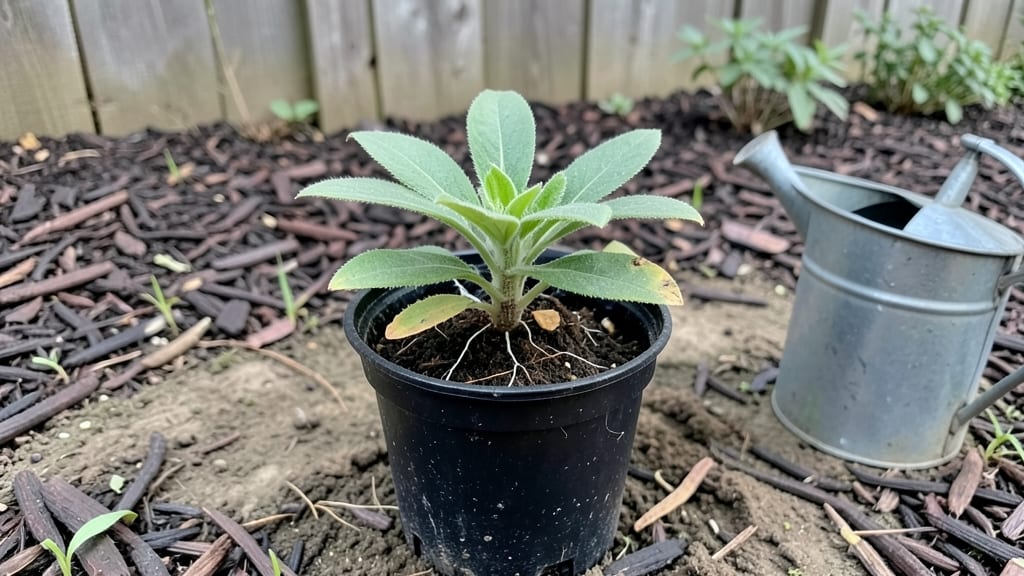
The best time to transplant perennial flowers is during early spring or early fall when temperatures are mild and soil is workable, reducing stress on roots and promoting strong regrowth. Late spring or summer transplants risk heat shock or drought damage, while winter transplants expose plants to frost injury.
Timing matters because perennials establish roots most efficiently when soil temperatures hover between 50°F and 70°F—this range balances microbial activity with moisture retention. 🌱 In my experience, early spring transplants (just as buds swell but before leaves unfurl) let plants focus energy on root growth, while early fall (after blooming but before hard frost) gives them a head start on winterizing.
Regional climates throw a wrench here: Mediterranean areas might prefer late fall transplants to avoid summer drought, while humid zones risk fungal stress if soil stays too wet.
Don’t overlook plant-specific quirks—succulents, for instance, thrive when transplanted during their cool-season dormancy, while moisture-loving irises need the extra fall rainfall to recover. The key is matching your local frost dates with each plant’s natural cycle, not just blindly following seasonal rules.
I’ve seen lavender struggle when transplanted in spring because its woody stems take longer to heal than hostas do.
💡 In This Article
- Seasonal Transplanting Factors for Perennial Health
- Plant-Specific Transplanting Timelines by Type
Seasonal transplanting factors for perennial health
Here's what's actually happening underground during transplanting: root systems thrive when soil temperatures stay between 50°F and 70°F, a range that activates beneficial soil microbes while keeping roots from overheating.
Early spring transplants (typically 4-6 weeks before last frost) work because perennials haven't yet diverted energy to leaf production - their focus remains on establishing new roots.
The science shows that roots grow at 1-2 inches per week in these conditions, compared to just 0.5 inches when soil exceeds 75°F.
The key factor is dormancy timing. Most perennials enter a natural rest period after blooming, which makes early fall (about 6-8 weeks before first frost) ideal for transplanting. During this window, plants have already stored carbohydrates in their roots, giving them energy reserves to recover from transplant shock.
What most people don't realize is that woody perennials like lavender need even longer to heal - their thick stems require 3-4 weeks of stable soil temperatures before they'll resume normal growth patterns.
Regional climates create significant variations in these timelines. In Mediterranean climates where summers exceed 90°F, transplanting in late fall (after October rains) prevents drought stress, while temperate zones often prefer early spring to avoid summer fungal pressures.
The soil moisture factor is critical too - sandy soils dry out quickly, so transplanting should occur when moisture penetrates 6-8 inches deep. Clay soils, conversely, can remain workable longer but risk compaction when wet.
Consider these key factors when planning your transplant schedule:
- Soil temperature: Use a soil thermometer - roots struggle below 45°F or above 80°F
- Moisture availability: Aim for 1-1.5 inches of rainfall weekly post-transplant
- Plant type: Herbaceous perennials recover faster than woody ones
- Local frost dates: Calculate 6-8 weeks before first frost for fall transplants
The science behind successful transplanting involves understanding how plants manage water uptake through their roots. When transplanted during optimal seasons, perennials maintain 90% root integrity compared to just 60% when moved during heat waves.
This integrity translates directly to survival rates - studies show 85% success for properly timed transplants versus 40% for poorly timed ones. The difference comes down to minimizing root desiccation and maintaining microbial symbiosis in the soil.
What most gardeners overlook is how post-transplant care extends the seasonal window. Using mycorrhizal inoculants can help roots establish 20% faster, while mulching with 3-4 inches of organic matter maintains soil moisture and temperature stability.
In hot climates, shade cloth during the first 2-3 weeks after transplanting can reduce temperature stress by 10-15°F.
Here's my pro tip: mark your calendar 6 weeks before your target transplant date to prepare soil by amending with compost and ensuring proper drainage. This advance prep gives roots the best possible start, making all the difference in your perennials' long-term health. 🌿