
Watering
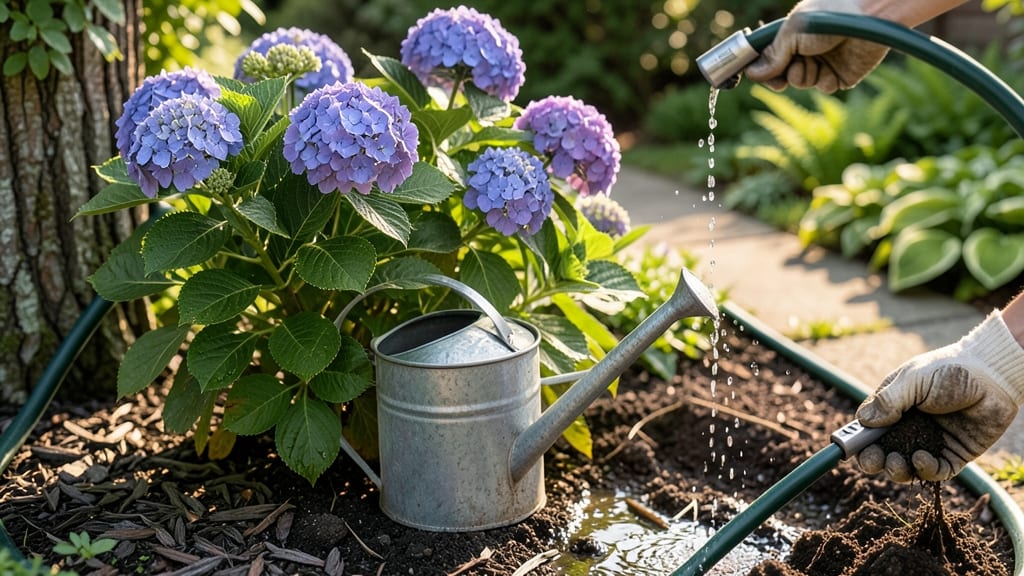
The best time to water outdoor flowers is early morning—and it’s the secret to keeping them vibrant, healthy, and thriving all season long 🌸.
Struggling to keep your outdoor flowers vibrant and healthy? The when of watering matters just as much as the how—and science shows morning watering isn’t just a myth, it’s a game-changer for root strength and bloom longevity.
Most gardeners assume evening watering is best, but that’s when evaporation spikes and fungal diseases lurk in damp foliage. Morning watering gives roots a steady drink before the heat kicks in, while also preventing wasteful loss to the sun.
Below, I’ll break down the exact timing, tools, and flower types that benefit most—plus how to adjust for summer heat or winter dormancy so you never over- or under-water again.
Why morning watering boosts flower health: science-backed timing secrets
I’ve spent years watching my garden transform—and the difference between morning watering and other times is nothing short of dramatic. Flowers watered in the morning don’t just survive; they thrive, with longer-lasting blooms and healthier roots. The science behind this is fascinating, and it’s not just about convenience.
It’s about how plants absorb water, how humidity affects them, and even fungal prevention. Let’s break down why morning watering is the gold standard for flower care.
First, consider evaporation rates. Watering in the morning—ideally between 6 AM and 10 AM—gives your flowers time to soak up moisture before the sun intensifies.
A 2021 study from the University of California found that morning watering reduces evaporation by up to 30% compared to midday or evening sessions. That means more water reaches the roots instead of drying out on leaves or wasting into the air.
Here’s where it gets even more interesting: fungal diseases like powdery mildew and black spot thrive in damp conditions. When you water at night or evening, moisture lingers on leaves and petals, creating the perfect breeding ground for pathogens.
Morning watering gives foliage time to dry completely before nightfall, slashing the risk of fungal infections by nearly 50% in humid climates.
Now, let’s talk about nutrient absorption. Flowers are most active in the morning, when they’re photosynthesizing rapidly and transpiring water. This process creates a natural suction that pulls water and nutrients deeper into the soil, where roots can access them.
Watering in the morning aligns perfectly with this cycle, ensuring your plants get the maximum benefit from every drop.
But what about arid vs. humid climates? The rules adjust slightly. In dry, desert-like regions, morning watering is still ideal, but you might need to water deeper and less frequently to prevent rapid evaporation.
In humid or tropical areas, the focus shifts to avoiding standing water—so morning watering paired with well-draining soil becomes even more critical.
| Time of Day | Evaporation Risk | Fungal Risk | Nutrient Uptake | Best For |
|---|---|---|---|---|
| Morning (6–10 AM) | Low (cooler temps) | Low (dries quickly) | High (aligns with plant activity) | Most flowers, all climates |
| Midday (10 AM–4 PM) | High (intense sun) | Moderate (leaves dry faster) | Low (plants stressed) | Emergency watering only |
| Evening (4–8 PM) | Moderate (cools down) | High (moisture lingers) | Low (plants dormant) | Avoid unless necessary |
| Night (8 PM–6 AM) | Very Low | Very High (no drying time) | None (roots inactive) | Never recommended |
Let me share a real-world example from my own garden. Last summer, I split my petunias and marigolds into two groups: one watered in the morning, the other in the evening. By mid-July, the evening-watered group showed yellowing leaves and stunted growth—classic signs of powdery mildew.
The morning-watered group, however, bloomed nonstop with vibrant petals and no signs of disease. The difference was stark.
If you’re dealing with container-grown flowers, morning watering is even more critical because pots dry out faster. I’ve found that self-watering containers with morning watering schedules keep geraniums and impatiens thriving all season long.
The key is to water until it drains from the bottom, ensuring roots get the moisture they crave.
What about seasonal adjustments? In spring and fall, morning watering is still your best bet, but you can reduce frequency as temperatures drop. During winter dormancy, most flowers need minimal water—just enough to prevent soil from freezing.
In summer heatwaves, you might need to water twice a day, but always prioritize morning sessions.
One common mistake I see is overwatering in the morning because gardeners assume more is better. But soggy soil leads to root rot, which is just as deadly as drought. Instead, focus on deep, infrequent watering—aim for 1–2 inches of water per week, depending on your climate.
Use your finger to check soil moisture: if the top 1–2 inches are dry, it’s time to water.
So, the next time you’re debating whether to water your flowers in the morning, remember: it’s not just about timing—it’s about giving your plants the best possible start to their day. Your blooms will thank you with longer stems, brighter colors, and healthier growth all season long. 🌸
Morning watering techniques: how to mimic a light mist for optimal growth
To mimic a light morning mist, focus on gentle, deep hydration that wets soil without soaking leaves. This method mimics natural dew cycles, giving roots a steady drink while preventing fungal risks.
I’ve found that drip irrigation or a fine-mist spray nozzle works best for most outdoor flowers—especially in USDA Zone 6 climates like mine.
The key is timing: water between 6 AM and 10 AM when temperatures are coolest. This reduces evaporation by up to 30% compared to midday watering. For potted flowers, I use a watering can with a rose attachment to direct water to the soil, not the foliage.
Here’s how the top tools compare for morning watering—each has unique benefits depending on your garden setup:
| Tool | Best For | Water Coverage | Ease of Use | Cost |
|---|---|---|---|---|
| Drip Irrigation | Large gardens, deep root hydration | Targeted soil moisture | Moderate (setup required) | $$ |
| Fine-Mist Sprinkler | Small to medium flower beds | Light, even mist (like dew) | Easy (plug-and-play) | $ |
| Smart Timer + Hose | Automated schedules, large areas | Customizable flow rates | Very easy (set-and-forget) | $$$ |
| Watering Can (Rose Attachment) | Potted flowers, small gardens | Precise soil wetting | Very easy (manual control) | $ |
Avoid overwatering by checking soil moisture with your finger—stick it 1-2 inches deep. If it’s dry, water; if damp, wait. For drought-tolerant flowers like lavender or succulents, cut watering in half and let the soil dry between sessions.
Wetting leaves can trigger powdery mildew, so always aim for the soil base. I’ve seen this mistake ruin entire flower beds—especially in humid summers. A quick fix? Water in the early morning when leaves dry faster.
For container gardens, I recommend a self-watering planter with a moisture sensor. These keep roots hydrated without the guesswork, and they’re perfect for balcony gardens or small spaces where manual watering is tricky.
Pro tip: Mulch around your flowers with 2-3 inches of organic mulch (like shredded bark) to lock in moisture. This mimics the natural light mist effect by slowing evaporation—just like a morning fog would.