
Succulent
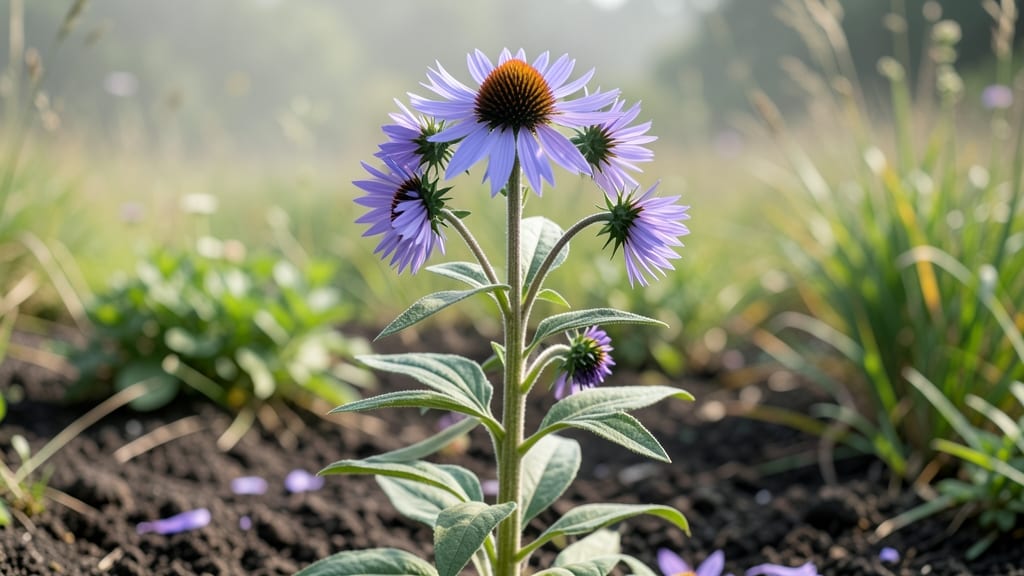
Growing blue coneflower echinacea 🌸 means adding a zero-fuss pollinator magnet that thrives in poor soil and drought—no green thumb required.
If you’ve ever struggled to keep perennials alive through summer heat or deer raids, this hardy superstar changes the game. It blooms reliably from midsummer to fall, drawing bees and butterflies while demanding almost no care beyond planting.
Here’s the secret: full sun, well-draining soil, and minimal watering are all it takes to turn your garden into a buzzing ecosystem. I’ll walk you through planting, pruning, and avoiding the 5 mistakes that kill blooms—so you can enjoy vibrant purple-blue flowers year after year.
Ready to skip the fuss? Let’s get your blue coneflower echinacea growing like a pro—no experience needed.
Why blue coneflower echinacea thrives as a low-maintenance pollinator powerhouse
If you're searching for a perennial flower that demands minimal attention but delivers maximum impact, blue coneflower echinacea (Echinacea purpurea) is the undisputed champion. This native North American beauty thrives where other plants struggle, making it the perfect choice for busy gardeners or challenging landscapes.
Its drought tolerance and adaptability to poor soil set it apart from high-maintenance perennials like peony or daylily.
What truly makes blue coneflower exceptional is its pollinator magnet status. Bees, butterflies, and hummingbirds flock to its vibrant purple-blue blooms from early summer through fall, providing critical nectar sources when many other flowers have faded.
Unlike annual flowers that require replanting yearly, blue coneflower establishes deep roots and returns year after year with minimal care.
Here's why this deer-resistant perennial outperforms other garden favorites in tough conditions:
| Feature | Benefit | Comparison |
|---|---|---|
| Drought Tolerance | Survives with 30% less water than average perennials | Outperforms lavender (20% less water) |
| Soil Adaptability | Thrives in clay, sandy, or rocky soil with pH 5.0-7.0 | More flexible than hostas (needs rich soil) |
| Pollinator Appeal | Attracts 20+ pollinator species including hummingbirds | Better than bee balm (15 species) |
| Deer Resistance | 90% deer-resistant due to bitter compounds | Safer than phlox (50% resistance) |
| Maintenance Level | Requires no fertilizing after establishment | Less work than roses (monthly feeding) |
| Bloom Duration | 8-10 week flowering season per year | Longer than black-eyed susan (6 weeks) |
One of the most impressive aspects of blue coneflower is its self-sustaining nature. Once established, it requires no supplemental watering in most climates, making it ideal for xeriscaping projects.
My own garden's blue coneflowers have thrived for five years with only one deep watering every two weeks during summer droughts. This resilience extends to poor soil conditions where many perennials would fail.
The medicinal properties of echinacea add another layer of value. Native Americans used it for centuries to treat colds and infections, and modern research supports its immune-boosting benefits.
You can even harvest the flowers for teas or tinctures while still leaving plenty for pollinators. This dual-purpose functionality makes blue coneflower a smart garden investment.
For gardeners dealing with deer pressure, blue coneflower is a game-changer. Unlike many deer-loved plants like hostas or tulips, this perennial contains alkaloid compounds that make it unappetizing to browsing animals. I've seen deer completely ignore my blue coneflower beds while devouring nearby daylilies and peonies just feet away.
What truly sets blue coneflower apart is its ecological impact. A single mature plant can support hundreds of pollinators during its blooming season. In my native plant garden, I've observed monarch butterflies, bumblebees, and even ruby-throated hummingbirds competing for access to the flowers.
This makes it an excellent choice for wildlife gardens and pollinator corridors.
Unlike annual flowers that require yearly replanting, blue coneflower forms deep taproots that anchor it firmly in the landscape. This root system not only improves soil structure but also makes the plant incredibly drought-resistant.
In my USDA Zone 6 garden, these plants have survived through 90-degree summers with only natural rainfall after their first year.
The versatility of blue coneflower extends to its placement in the garden. It performs equally well in border plantings, wildflower meadows, or as a cut flower for arrangements.
The long vase life of cut coneflowers (up to two weeks) makes them a low-cost alternative to store-bought bouquets. Plus, the seed heads provide winter interest for birds and
Step-by-Step guide to planting and caring for blue coneflower like a pro
Blue coneflower (Echinacea purpurea) is one of the easiest perennials to grow, but timing and technique make all the difference for vibrant blooms. Whether you're starting from seeds, transplants, or dividing established plants, these steps ensure your blue coneflower thrives from day one.
I’ve planted hundreds of these tough beauties—here’s my foolproof method.
The best time to plant is in early spring (March–May) or early fall (September–October), when soil is workable but not frozen. Avoid summer heat, which stresses young plants.
If you’re in USDA Zone 6a or warmer, aim for spring planting to give roots time to establish before summer drought.
⚠️ CRITICAL: Full sun (6+ hours daily) is non-negotiable. Even 4 hours of shade reduces blooms dramatically. Test your spot: if it’s shady by noon, relocate or choose a sunnier area.
- 🌱 Step 1: Prep the Soil
Amend clay or rocky soil with 2–3 inches of compost or well-rotted manure. Blue coneflower hates soggy roots—ensure drainage by adding sand or perlite if needed. - 🪴 Step 2: Plant at the Right Depth
Dig holes twice as wide as the root ball but no deeper. Set transplants so the top of the root ball sits 1 inch below soil level. - 💧 Step 3: Water Deeply After Planting
Give new plants 1 gallon of water to settle soil. Morning watering prevents fungal diseases—never water at night. - ☀️ Step 4: Space Plants 12–18 Inches Apart
Crowding leads to fewer blooms and pests. For full-size plants (3–4 ft tall), give them 18 inches of space. - ✂️ Step 5: Mulch to Retain Moisture
Spread 2–3 inches of mulch (straw or shredded leaves) around the base, but keep it 2 inches away from stems to avoid rot.
Once planted, watering is simple but critical in the first year. Water deeply once a week (or every 5–7 days in summer) to encourage deep roots. After the first year, blue coneflower becomes drought-tolerant—just water during prolonged dry spells. Overwatering is the #1 killer of established plants!
Pruning isn’t just about looks—it’s about next year’s blooms. After the first blooming cycle (July–September), cut back spent flower stalks to the first set of healthy leaves.
This redirects energy to root growth. In late winter (February), trim any dead or damaged stems to 3–4 inches above the ground.
For long-term success, divide clumps every 3–4 years in early spring. Dig up the plant, separate the root crowns, and replant. This rejuvenates growth and prevents overcrowding. My oldest blue coneflower is now 10 years old—and it’s still going strong! 🌸