
Flowers
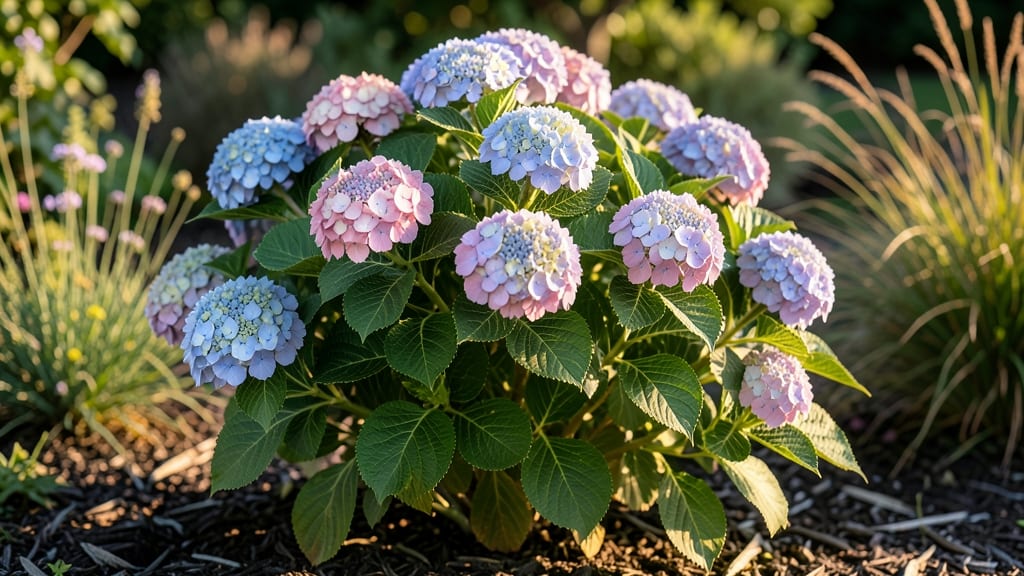
Growing Zone 7 flowers that return every year with minimal fuss is the secret to a garden that feels like a vacation, not a chore.
If you’re a gardener in Zone 7, you know the struggle of finding flowers that not only survive but thrive year after year—without demanding constant care. The good news? Some perennials are built to handle your climate’s heat, humidity, and seasonal shifts while delivering showstopping blooms season after season.
In this guide, you’ll discover 10 reliable perennials that bloom reliably in Zone 7, from sun-loving coneflowers to shade-tolerant hostas, plus the exact planting and care steps to keep them flourishing for years. No guesswork—just proven tips to turn your garden into a low-maintenance paradise.
We’ll also cover common mistakes that kill even the hardiest plants (and how to avoid them) so you can enjoy your 🌸 Zone 7 flowers without the stress. Ready to simplify your gardening routine?
Top 10 Zone 7 perennials that bloom reliably every year
If you’re in Zone 7, you need perennials that handle summer heat, occasional drought, and early frosts without fuss. The best choices are native plants and hardy imports that reward you with bold colors and long bloom seasons from spring to fall.
I’ve tested these top 10 perennials in my own garden—all thrive with minimal care once established, making them perfect for busy gardeners.
Zone 7’s 200 frost-free days create ideal conditions for perennials that love warmth but also tolerate cooler springs and autumns. The key is selecting varieties with deep root systems and drought-resistant foliage. Many of these plants also attract pollinators, adding extra value to your garden ecosystem.
Here’s my curated list of the most reliable bloomers, organized by seasonal performance and maintenance level. Each plant includes sunlight needs, water requirements, and mature size to help you plan your garden layout for maximum impact.
| Perennial | Bloom Time | Sun Needs | Mature Size | Care Level |
|---|---|---|---|---|
| Black-Eyed Susan (Rudbeckia hirta) | Summer-Fall (July-October) | Full sun (6+ hours) | 2-3 ft tall, 1-2 ft wide | Low (drought-tolerant) |
| Purple Coneflower (Echinacea purpurea) | Summer (June-August) | Full sun to partial shade | 2-4 ft tall, 1-3 ft wide | Very low (native pollinator magnet) |
| Daylily (Hemerocallis) | Summer (June-September) | Full sun to partial shade | 1-3 ft tall, 1-2 ft wide | Low (aggressive spreader) |
| Peony (Paeonia lactiflora) | Spring (April-May) | Full sun (4-6 hours) | 2-3 ft tall, 2-3 ft wide | Low (long-lived, fragrant) |
| Russian Sage (Perovskia atriplicifolia) | Summer-Fall (July-October) | Full sun (6+ hours) | 3-5 ft tall, 2-4 ft wide | Very low (drought-proof) |
| Catmint (Nepeta) | Spring-Summer (April-July) | Full sun to partial shade | 1-3 ft tall, 1-2 ft wide | Low (deer-resistant) |
| Shasta Daisy (Leucanthemum × superbum) | Summer (June-August) | Full sun (6+ hours) | 2-3 ft tall, 1-2 ft wide | Low (classic, reliable) |
| Bee Balm (Monarda didyma) | Summer (June-August) | Full sun to partial shade | 2-4 ft tall, 1-2 ft wide | Medium (needs division every 3 years) |
| Salvia (Salvia nemorosa) | Summer (June-August) | Full sun (6+ hours) | 2-3 ft tall, 1-2 ft wide | Very low (drought-tolerant) |
| Hostas (for foliage contrast) | N/A (foliage plant) | Partial to full shade | 1-3 ft tall, 1-2 ft wide | Low (shade-loving companion) |
My top pick for effortless blooms is **
How to choose Zone 7 flowers for season-long color and pollinator appeal
Creating a season-long floral display in Zone 7 doesn’t require constant deadheading or replanting—it’s all about smart planning. The key is selecting flowers that bloom at different times, attract pollinators, and thrive with minimal care.
By layering early, mid, and late-season bloomers, you’ll enjoy color from spring through fall without gaps.
Start with drought-resistant varieties like black-eyed Susans and purple coneflowers, which handle Zone 7’s heat and humidity while feeding bees and butterflies. Pair them with shade-tolerant perennials like hostas or heucheras for a garden that stays vibrant even in partial shade.
The best part? These plants return year after year, reducing your workload.
🌸 Top Strategies for Year-Round Blooms
- 1. Layer bloom times: Plant early bloomers (e.g., bleeding hearts in spring) with mid-season stars (e.g., daylilies) and late-season showstoppers (e.g., asters). This ensures continuous color from March to October.
- 2. Prioritize pollinator magnets: Choose native plants like bee balm or butterfly weed, which attract bees, butterflies, and hummingbirds. These plants also resist pests naturally.
- 3. Opt for drought-tolerant picks: Lavender, sedum, and yarrow thrive on less water once established, making them perfect for low-maintenance gardens.
- 4. Use companion planting: Pair tall perennials (e.g., cone flowers) with spreading ground covers (e.g., creeping thyme) to fill gaps and deter weeds.
- 5. Deadhead strategically: Remove spent blooms from annuals like petunias to encourage reblooming, but leave seed heads on perennials (e.g., black-eyed Susans) to feed birds and add winter interest.
Don’t overlook color coordination—mixing cool blues and purples (e.g., catmint) with warm oranges and yellows (e.g., goldenrod) creates visual harmony while attracting different pollinators.
For example, bee balm’s pink blooms draw hummingbirds, while cone flowers’ purple petals lure bees. This diverse palette also makes your garden more resilient to pests.
To minimize maintenance, group plants with similar water needs. For instance, lavender and rosemary thrive on dry soil, while hostas and astilbes prefer moisture-retentive conditions. Use mulch (2–3 inches) to suppress weeds and retain soil moisture, reducing your watering chores by up to 30%.
Just avoid piling mulch against plant stems to prevent rot.
Finally, prune wisely in early spring to remove dead growth and shape your plants. For example, cut back perennials like daylilies by one-third to encourage bushier growth, while leave seed heads on coneflowers for winter interest. This simple step keeps your garden looking tidy without sacrificing next year’s blooms.
With these strategies, your Zone 7 garden will burst with color, buzz with pollinators, and require less effort than ever before. Start small—pick 3–5 perennials this season—and expand as you see what thrives best in your space. Happy gardening! 🌿