
Shrubs
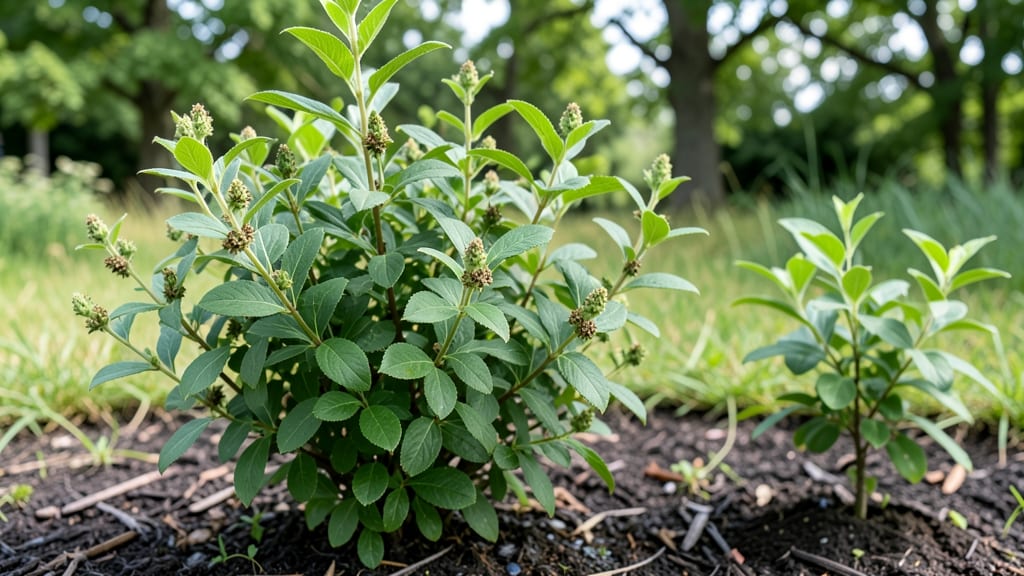
A blueberry bush not flowering can turn your patient wait into frustration, but the fix is often simpler than you’d expect—especially when it comes to pruning.
If your 🫐 blueberry bush is thriving with lush green leaves but refuses to produce those coveted berries, the issue likely lies in its pruning—and fixing it is easier than you think.
Too little or too aggressive cuts can disrupt the plant’s natural flowering cycle, leaving you with nothing but foliage.
Blueberries need the right balance of sunlight, age, and pruning to bloom, and most gardeners overlook one key detail: when and how to trim. A well-timed prune in late winter or early spring can encourage new growth and set the stage for flowers by summer.
In this guide, I’ll walk you through three pruning tricks that work like magic—no guesswork, no wasted effort. You’ll learn how to identify dead wood, thin crowded branches, and stimulate flowering without accidentally stunting your bush.
Why your blueberry bush isn’t flowering (and how pruning fixes it)
Blueberry bushes are notorious for their lush green foliage but frustratingly few flowers. If your bush looks healthy but refuses to bloom, the problem often traces back to pruning mistakes or overlooked biological needs.
The good news? Most flowering issues can be fixed with targeted pruning and a few simple adjustments.
Blueberries rely on a delicate balance of chill hours, branch age, and light exposure to produce flowers. When pruning disrupts this balance—whether by removing too many old canes or cutting at the wrong time—your bush may skip flowering entirely.
Understanding these science-backed triggers is the first step to reviving your berry production.
Blueberries need 800-1,000 hours below 45°F (4°C) to trigger flowering. Without this, buds remain dormant. Fix: Plant in colder microclimates or use artificial chilling methods.
Flowers form on wood that’s 2-3 years old. Pruning too aggressively removes these flower-producing branches. Fix: Keep 6-8 mature canes and prune only dead or crossing branches.
Pruning in late winter or early spring (before buds swell) removes next year’s flowers. Fix: Prune immediately after harvest (summer) or in dormant season (late fall).
Too many canes compete for sunlight, reducing flower production. Fix: Thin to 6-8 strongest canes and ensure full sun exposure (6+ hours daily).
Low phosphorus or potassium starves flower buds. Fix: Use acidic fertilizer (12-4-8 NPK) in early spring and summer.
Your blueberry bush’s age plays a critical role in flowering. Young bushes (under 3 years old) focus energy on root and cane growth rather than berries. If your bush is older than 5 years but still not flowering, it may be overcrowded or nutrient-depleted.
In this case, rejuvenation pruning—where you cut back 1/3 of the oldest canes—can stimulate new growth and flowers.
Another common oversight is pruning at the wrong time. Blueberries flower on second-year wood, meaning buds form in summer for next year’s harvest. If you prune in late winter, you risk removing these dormant flower buds before they even open.
The solution? Time your pruning to right after harvest (late summer) or in early spring before buds swell.
For container-grown blueberries, flowering issues often stem from root-bound stress or inconsistent watering. Pots dry out faster, causing fluctuating moisture levels that disrupt flower development.
Always use well-draining soil with organic mulch and water deeply every 2-3 days during growing season. A 5-gallon container should never go completely dry between waterings.
If your bush has no flowers at all, check for pests or diseases like blueberry gall midge or powdery mildew, which can weaken canes. Treat affected areas with neem oil or fungicide and prune infested branches immediately. Healthy canes are the foundation for abundant flowering.
One final tip: Mulch matters. A 3-inch layer of pine straw or wood chips retains moisture, regulates soil temperature, and slowly releases nutrients. Avoid fresh wood chips, which can rob nitrogen from the soil and stress your bush further.
With these fixes—timely pruning, proper cane management, and optimal growing conditions—your blueberry bush will bounce back with vibrant flowers and a bountiful harvest next season. 🌱
Step-by-step pruning guide to encourage blueberry flowering
Pruning your blueberry bush at the right time and with the right technique can transform a non-flowering shrub into a berry-producing powerhouse. The key is understanding seasonal timing and targeted cuts that stimulate new growth while preserving the plant’s flowering potential.
Blueberries flower on one-year-old wood, meaning last year’s growth produces this year’s blooms. If you prune too aggressively or at the wrong time, you risk removing next year’s flower buds.
My approach focuses on three critical steps: removing dead wood, thinning crowded branches, and encouraging air circulation—all while preserving healthy growth.
🌱 Step-by-Step Pruning for Blueberry Flowering
-
Step 1: Prune in Late Winter (Before Bud Break)
When: February-March (before buds swell) -
Step 2: Remove Dead or Diseased Wood
Use sterilized pruners to cut 1/4" above healthy growth -
Step 3: Thin Crowded Branches
Remove 1/3 of oldest canes (over 5 years old) to open the center -
Step 4: Light Summer Pruning (Post-Harvest)
When: July-August (after harvest) -
Step 5: Trim Water Sprouts & Suckers
Remove vigorous vertical shoots growing from base or branches
Spring pruning (late winter) is your best shot at encouraging flowers. Focus on removing last year’s fruit-bearing canes—these are the thick, woody stems that produced berries last season. They’ve fulfilled their purpose and should be cut back to the ground to make room for new growth.
After the harvest in summer, do a light maintenance prune to remove any water sprouts or crossing branches. These compete with the main structure for energy and can block sunlight, reducing flowering potential. Keep your cuts clean and angled to prevent water from pooling on the cuts.
For young bushes (under 3 years old), pruning is minimal—just remove dead wood and shape lightly. Older bushes need more aggressive thinning to rejuvenate growth.
If your bush is over 6 years old, consider a rejuvenation prune, cutting back 1/3 of the oldest canes each year to maintain vigor.
Remember, blueberries need 6+ hours of sunlight and acidic soil (pH 4.5-5.5) to flower well. Pair your pruning with proper fertilization (like peat-based or sulfur-enhanced formulas) and consistent watering to set your bush up for success.