
Trees
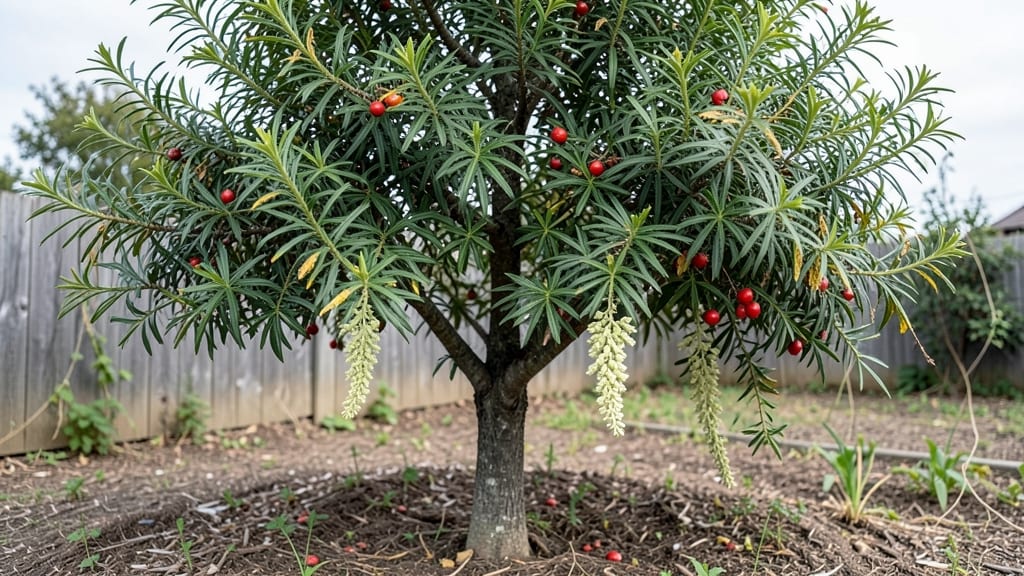
The Brazilian pepper tree’s delicate white flowers are a fleeting but stunning sight 🌳 — and spotting them means knowing exactly when and where to look.
You might have a towering Brazilian pepper tree in your yard but never noticed its blooms because they appear in short, unpredictable bursts. These tiny clusters of white flowers, often overlooked, are the plant’s most charming secret—and they’re easier to find than you’d think.
From the right climate to the best sunlight spots, this guide breaks down everything you need to know to catch those rare moments when your tree bursts into bloom. Whether you’re curious about their appearance or how to encourage more flowers, we’ve got the details.
Discover the perfect conditions for flowering, how to tell male and female blooms apart, and even how to care for your tree to make those white clusters show up year after year.
When do Brazilian pepper tree flowers bloom: seasonal timing and climate factors
The Brazilian pepper tree (Schinus terebinthifolius) produces its fragrant white flowers in two distinct seasons, but timing varies dramatically by climate zone. Most gardeners miss these fleeting blooms because they appear in short-lived bursts—typically 2-4 weeks—during spring and fall.
Understanding these patterns helps you plan to witness their beauty or manage their spread.
In USDA zones 9a-11 (where this tree thrives), the primary bloom windows are March-April and September-October. These periods align with temperature shifts and humidity changes, which trigger the tree’s flowering response.
For example, Florida’s humid subtropical climate may see blooms as early as January, while California’s Mediterranean climate delays them until late spring.
Temperature is the biggest trigger: flowers emerge when daytime highs reach 70-80°F (21-27°C) and nights dip to 60-65°F (15-18°C). Humidity levels above 50% further encourage blooming, which explains why tropical zones like Hawaii see year-round (though sparse) flowering. Drought stress, however, can delay or reduce blooms entirely.
Here’s how regional climates affect bloom timing:
Florida: January-March (early spring) and September-November (fall), with humidity as the dominant factor. The tree may bloom twice a year if winters are mild.
California: April-May and October, tied to cooler coastal temperatures and post-rainfall moisture. Inland areas may see delayed blooms due to hotter summers.
Tropical Zones (e.g., Hawaii, Puerto Rico): Year-round but less abundant, with peaks in spring and fall. The lack of seasonal temperature shifts reduces the intensity of blooms.
| Climate Zone | Primary Bloom Seasons | Key Triggers | Flower Longevity |
|---|---|---|---|
| Florida (Humid Subtropical) | Jan-Mar, Sep-Nov | Humidity >50%, mild winters | 2-3 weeks per season |
| California (Mediterranean) | Apr-May, Oct | Cooler temps, post-rain moisture | 3-4 weeks per season |
| Tropical (Hawaii, PR) | Year-round (peaks spring/fall) | Stable humidity, no cold stress | 1-2 weeks per bloom |
The short bloom window (often just 2-4 weeks) is why many gardeners overlook them. Flowers appear on new growth at the tips of branches, often hidden by dense foliage. Male trees produce more abundant blooms than female trees, which focus energy on red berry production after flowering.
If your tree isn’t blooming, check for nutrient deficiencies (especially phosphorus) or over-pruning of current season’s growth.
To maximize your chances of spotting blooms, monitor your tree in early morning light when flowers are freshest. Use a magnifying glass to inspect branch tips—you’ll find small white clusters (each with 5-10 tiny flowers) that release a sweet, spicy fragrance.
Prune lightly in late winter to encourage new growth, which is where next year’s flowers will form.
If you’re in a warmer climate, consider planting near a water feature to boost humidity, or mulch heavily to retain moisture. Just remember: while these flowers are stunning, the tree’s aggressive spreading makes it a controversial choice for many gardens. Always check local regulations before planting!
🌷
How to identify Brazilian pepper tree flowers: visual clues and common mistakes
The Brazilian pepper tree's white flower clusters are often overlooked because they blend into the tree's dark green foliage. These tiny, fragrant blooms appear in spring and fall, but their fleeting nature makes them hard to spot.
Many gardeners mistake them for new leaves or even insect damage—a common mistake that leads to missed opportunities to enjoy their subtle beauty.
To avoid confusion, focus on the flower's tiny size (about 1/4 inch wide) and their clustered arrangement along the branches.
Unlike the tree's red berries, which develop later, flowers lack color and are more delicate. Male and female trees produce flowers differently, which adds another layer of complexity to identification.
Brazilian Pepper Tree Flower Identification
- Fragrant blooms attract pollinators
- Delicate appearance adds garden charm
- Early blooms signal tree health
- Easily confused with foliage
- Short-lived blooms (2-4 weeks)
- Invasive reputation deters admirers
- Tiny white clusters (1/4 inch)
- Fragrant sweet scent at dawn
- Appear on new growth tips
- Mistaking for new leaves
- Ignoring male vs. female differences
- Confusing with poison ivy berries
One of the biggest challenges is distinguishing male and female flowers. Male trees produce longer flower clusters with more visible stamens, while female flowers are shorter and denser.
Female trees also develop bright red berries later in the season, which can help confirm their gender—but only after the flowers fade.
Gardeners often confuse Brazilian pepper tree flowers with those of poison ivy or Chinese pistache. Both plants have small clusters, but poison ivy's flowers are greenish-white and appear in spring only, while Chinese pistache blooms are yellowish-green.
A quick way to tell? Brazilian pepper flowers have a sweet, citrusy fragrance that others lack.
If you're still unsure, examine the leaf arrangement. Brazilian pepper tree flowers grow on new shoots with alternate leaves, while poison ivy has compound leaves in groups of three. This distinction is crucial for accurate identification and avoiding invasive spread.
Pro tip: Use a hand lens to inspect the flower clusters up close. Look for the tiny white petals and yellow-tipped stamens—these are the telltale signs of a Brazilian pepper tree in bloom.
And remember, the flowers are most visible in morning light, so plan your inspection for early hours.