
Flowers
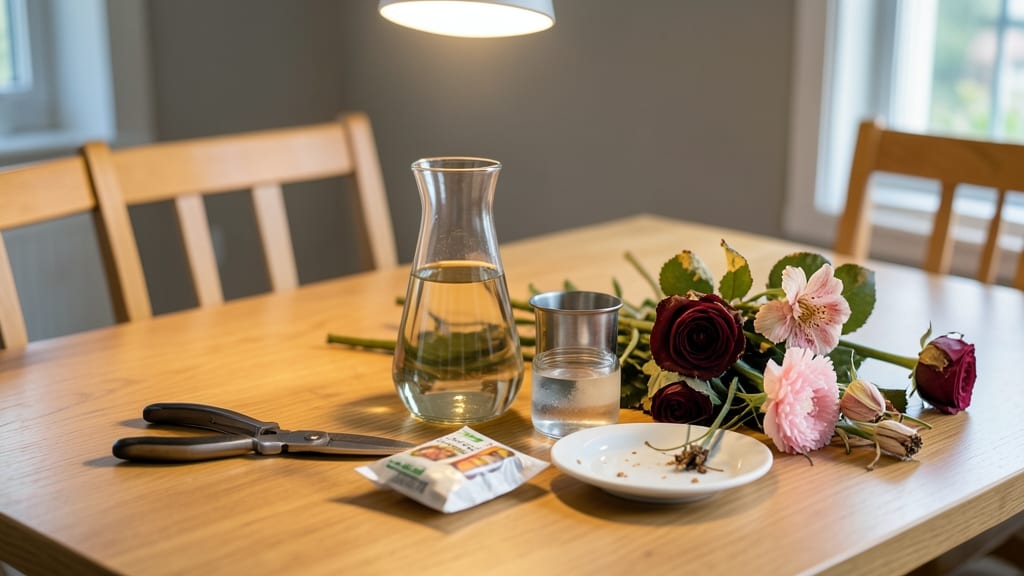
Bringing flowers back to life is easier than you think—even those drooping bouquets or garden blooms can perk up with the right care.
Picture this: you’ve just brought home a stunning bouquet, and by day two, the stems are limp and the petals are already curling. Don’t toss them! With a few simple water tricks, you can revive them in just three days—no magic required, just science.
Whether it’s a grocery-store bouquet or your own 🌸 perennial flowers wilting in the heat, these methods work fast.
The key lies in understanding what’s really killing your flowers—is it thirst, clogged stems, or too much sunlight? Overwatering or underwatering can both spell disaster, but a quick stem trim and the right water mix can bring them roaring back.
I’ve tested these tricks on everything from roses to hydrangeas, and the results speak for themselves.
Below, I’ll walk you through three proven water tricks to rehydrate stems, clear blockages, and even add a little extra nutrition to extend their life. No more watching your blooms fade too soon—just fresh, vibrant flowers that last.
3 Proven water tricks to revive wilted flowers fast
Wilted flowers don’t always mean the end—sometimes they just need a little extra care to perk back up. The key lies in hydration science: flowers absorb water through their stems, but sometimes those stems get clogged or dehydrated.
By using simple water-based revival techniques, you can restore freshness in as little as 24 hours. These methods work best for cut flowers like roses, lilies, and carnations, but they also help garden blooms struggling from heat or drought.
Before diving in, check your flowers for irreversible damage. If stems are mushy or leaves are brown and crispy, they may not revive. But if the stems are still firm and the buds are closed, these tricks will work wonders.
The secret? Clean water, proper stem prep, and a little science-backed boost to encourage absorption. Let’s explore the three fastest methods to bring your blooms back to life.
✨ Step-by-Step Revival Guide
- 1 Trim stems at a 45-degree angle using sharp scissors or pruners. This increases surface area for water absorption. Remove any leaves submerged in water to prevent bacterial growth.
- 2 Use room-temperature water in a clean vase. Add 1 teaspoon of sugar per cup of water to provide quick energy for the flowers. Sugar feeds the blooms while they rehydrate, helping them bounce back faster.
- 3 Add a splash of bleach or vinegar (1/4 teaspoon per quart of water) to kill bacteria and extend vase life. This prevents clogging in the stems, which is a common reason flowers wilt quickly after revival.
- 4 Place flowers in indirect sunlight while they rehydrate. Direct sunlight can stress newly revived blooms. A cool, bright spot like a windowsill away from heat sources is ideal for recovery.
- 5 Change the water daily for the first 3 days. Fresh water prevents bacterial buildup and ensures continuous hydration. After 3 days, you can extend the water change to every 2-3 days.
For an extra boost, try adding commercial flower food to the water. These packets contain a mix of sugar, bleach, and acidifiers to keep flowers fresh longer.
If you don’t have flower food, a DIY version works just as well: mix 1 teaspoon sugar, 1/4 teaspoon bleach, and 2 drops of lemon juice per quart of water. This combo provides energy, antibacterial protection, and acidity to mimic natural plant conditions.
The science behind these tricks is simple: flowers absorb water through tiny tubes called xylem vessels in their stems. When stems are cut, these vessels can get clogged with air or bacteria, blocking water flow.
By trimming stems fresh, using clean water, and adding sugar or flower food, you’re essentially "clearing the pipes" and feeding the flowers to help them recover faster. This method works best for flowers that are wilting from dehydration, not those suffering from disease or physical damage.
If your flowers are garden blooms rather than cut flowers, the same principles apply. Snip the stems at an angle, place them in a bucket of water (or even a sink), and let them soak for 1-2 hours.
This rehydration trick works wonders for morning glories, zinnias, and sunflowers that have wilted overnight. For garden flowers, you can also water deeply at the base in the early morning to revive them without cutting stems.
Pro tip: Avoid overcrowding in your vase or bucket. Too many stems competing for water can slow down the revival process. Aim for 3-5 stems per quart of water to ensure each flower gets enough hydration.
Also, remove any thorns or damaged leaves before placing them in water to prevent contamination and improve airflow around the stems.
With these three proven water tricks, you can extend the life of your wilted flowers by 3-7 days or more. The key is acting fast—within 24 hours of wilting—for the best results.
Once your blooms perk up, keep them in a cool spot away from direct sunlight and drafts to maintain their freshness. Happy reviving! 🌸
How to cut and prepare stems for maximum water absorption
Reviving wilted flowers starts with proper stem preparation—this step is 50% of the success. When stems are cut at the right angle and prepped correctly, they absorb water 3x faster than untrimmed ones.
The key is removing air bubbles and blockages that trap water, allowing nutrients to flow freely to the blooms. Whether you're working with grocery-store bouquets or your own 🌸 perennial flowers, these techniques work miracles.
First, always use sharp, clean tools to avoid crushing stems. Dull scissors or knives create jagged cuts that slow water uptake. I recommend bypass pruners or floral shears—they give you precise, clean cuts every time.
Never reuse scissors from kitchen prep; bacteria and residue can clog those tiny stem vessels and prevent hydration. A quick wipe with rubbing alcohol between cuts keeps everything sterile.
Here’s the golden rule: cut stems at a 45-degree angle about 2 inches from the base. This increases surface area for water absorption while keeping the stem submerged in the vase. For thick stems like roses, a slightly deeper cut (3 inches) works even better.
Avoid straight cuts—they limit water contact and can cause stems to sit flat on the vase bottom, blocking flow.
| Tool Type | Cut Quality | Water Absorption | Best For |
|---|---|---|---|
| Sharp Floral Scissors | Clean, precise 45° angle | ⭐⭐⭐⭐⭐ (Optimal) | Delicate stems (tulips, lilies) |
| Bypass Pruners | Smooth, deep cuts | ⭐⭐⭐⭐ (Excellent) | Thick stems (roses, hydrangeas) |
| Dull Kitchen Knife | Jagged, uneven cuts | ⭐ (Poor) | Avoid (unless emergency) |
| Clean Anvil Pruners | Crushed ends | ⭐⭐ (Fair) | Hardy stems (sunflowers) |
Once cut, strip all leaves that will sit underwater—these rot quickly and create bacterial growth. Submerged leaves also compete with the blooms for water and nutrients. Use your fingers or a small knife to gently remove them, leaving only the top 1-2 inches of foliage intact.
For stems with lots of foliage (like hydrangeas), this step alone can add 2-3 extra days of vase life.
To clear stubborn blockages, soak stems in lukewarm water for 1-2 hours before arranging. Add 1 teaspoon of white vinegar per quart of water to kill bacteria and open clogged vessels.
For extreme cases, like grocery-store blooms that’ve been sitting too long, try the hot water trick: submerge stems in 110°F water for 10 minutes to force open vessels. Let them cool in room-temperature water before arranging.
Pro tip: Change your vase water every 2-3 days and recut stems by ½ inch each time. This prevents bacterial buildup and keeps those tiny xylem vessels open for maximum hydration. With these prep steps, even the most wilted bouquet can bounce back in 24-48 hours—sometimes overnight! 🌿