
Flowers
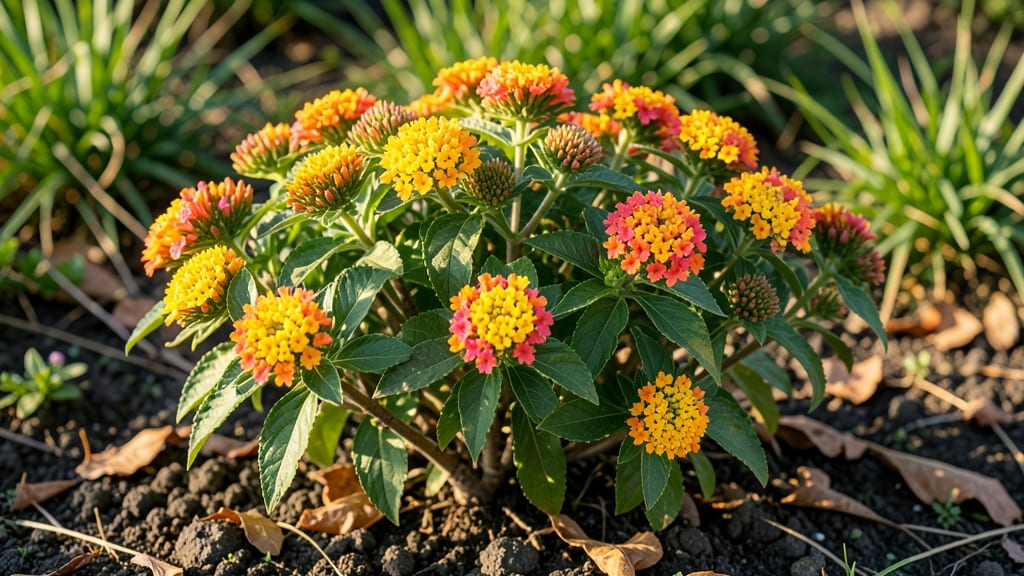
Lantana flowers become a butterfly haven when planted in the right conditions 🌸 — their bright clusters draw pollinators like a magnet, especially when paired with strategic companion plants.
Picture this: a sunny afternoon where your garden feels alive with fluttering wings, as butterflies flit from one lantana bloom to another. That’s not just luck—it’s a carefully designed ecosystem where the right plants work together to keep pollinators visiting all season long.
Beyond the beauty, this setup supports local wildlife while boosting your garden’s curb appeal. With the right host plants nearby, you can double the number of butterflies and other pollinators that stop by, turning your yard into a thriving habitat.
In this guide, I’ll show you how to create that butterfly paradise—from choosing the best companion plants to timing your lantana blooms for maximum visits.
Why lantana flowers are a butterfly superfood (and how to maximize their appeal)
If you’ve ever watched a butterfly on lantana flowers, you know the magic these plants create. Lantana isn’t just pretty—it’s a butterfly superfood, packed with nectar and UV patterns that guide pollinators straight to your garden.
The secret lies in its clustered blooms and year-round flowering, making it a pollinator’s favorite stop.
Butterflies aren’t the only ones drawn to lantana. Bees, hummingbirds, and even moths flock to its bright, tubular flowers, which produce high-energy nectar. The key to maximizing their appeal? Understanding what makes lantana irresistible—and how to enhance those natural qualities with smart gardening choices.
🌸 Lantana’s Butterfly Appeal at a Glance
| Feature | Why Butterflies Love It | How to Enhance It |
|---|---|---|
| Nectar-Rich Flowers | High sugar content fuels butterfly energy | Prune spent blooms to encourage continuous flowering |
| Bright Colors | Yellow, orange, and pink hues attract from afar | Plant multi-colored varieties for broader appeal |
| UV Patterns | Invisible guides lead butterflies to nectar | Avoid heavy fertilizers that dilute flower vibrancy |
| Year-Round Blooms | Sustains butterflies through all seasons | Plant in full sun for extended flowering |
| Dense Clusters | Provides easy landing spots for pollinators | Space plants 18-24 inches apart for airflow |
Lantana’s bright, clustered flowers aren’t just visually stunning—they’re a butterfly buffet. Each bloom contains nectar packed with sugars, giving butterflies the energy they need for migration and reproduction. The flowers also emit UV patterns invisible to humans but visible to butterflies, acting like neon signs in the garden.
To make your lantana even more appealing, focus on color variety. Butterflies are drawn to yellow, orange, and pink hues, so mix varieties like ‘Bandana’ (multi-colored) or ‘Lemon’ (bright yellow) for maximum impact. Planting in full sun ensures vibrant blooms that stand out to pollinators from a distance.
Timing is everything when it comes to butterfly on lantana flowers interactions. Lantana blooms continuously, but pairing it with seasonal nectar sources (like milkweed in summer) extends the feeding window. For example, spring-blooming varieties like ‘Mango’ lantana attract early migrants, while fall varieties keep late-season butterflies fueled.
Strategic placement is another game-changer. Position lantana near host plants (like parsley for swallowtails) to create a butterfly lifecycle hub. Place bushes along garden pathways or near water sources (like a shallow birdbath) to encourage visits. Butterflies are creatures of habit—once they discover your lantana, they’ll return daily.
Don’t overlook the power of companion planting. Pair lantana with drought-tolerant perennials like salvia or veronica to create a pollinator-friendly ecosystem. These plants provide additional nectar and shelter, making your garden a butterfly hotspot rather than just a pretty addition.
For maximum appeal, avoid pesticides—even organic ones can harm butterflies. Instead, opt for neem oil sprays or soapy water to deter pests without killing pollinators. A chemical-free garden ensures your lantana remains a safe haven for butterflies throughout their life cycle.
Watch as your lantana transforms from a decorative shrub to a butterfly superfood station. With the right colors, placement, and care, you’ll see more butterflies on lantana flowers than you ever imagined—turning your garden into a buzzing, fluttering paradise. 🌿🦋
12 Best host plants to pair with lantana for year-round butterfly visits
Lantana’s bright blooms already attract butterflies, but pairing it with the right host plants creates a full-life-cycle habitat. Butterflies need both larval host plants (for caterpillars) and nectar sources (for adults). Together, these plants ensure your garden buzzes with activity all season.
I’ve curated a mix of native and non-native plants that thrive alongside lantana, categorized by their role in a butterfly’s life cycle. Whether you’re in the Southwest, Southeast, or Midwest, these plants adapt well to your climate while supporting local pollinators.
Why this matters: A single lantana bush might attract a few butterflies, but adding these companions can double or triple visits. The key is diversity—different plants bloom at different times, ensuring food sources year-round.
| Plant Type | Butterfly Species | USDA Zones | Sun Needs | Bloom Time |
|---|---|---|---|---|
| Milkweed (Asclepias) | Monarchs, Queen | 3-10 | Full sun | Summer-Fall |
| Passionflower (Passiflora) | Gulf Fritillary | 8-11 | Partial sun | Spring-Fall |
| Zinnias (Zinnia elegans) | Swallowtails, Checkered Skippers | 3-11 | Full sun | Summer-Frost |
| Goldenrod (Solidago) | Red Admirals, Painted Ladies | 3-9 | Full sun | Late Summer-Fall |
| Lantana (Lantana camara) | Buckeyes, Sulphurs, Skippers | 8-11 | Full sun | Spring-Fall |
| Joe-Pye Weed (Eutrochium) | Silver-spotted Skippers | 4-9 | Full sun | Mid-Summer-Fall |
| Verbena (Verbena bonariensis) | Long-tailed Skippers | 7-11 | Full sun | Summer-Fall |
Start with milkweed and passionflower—these are caterpillar magnets for monarchs and Gulf Fritillaries. Plant them near your lantana so adults can easily find nectar while laying eggs. For year-round interest, add zinnias (summer-fall blooms) and goldenrod (late-season nectar).
Pro tip: Group plants by height and bloom time. Taller plants like Joe-Pye weed (4-6 ft) should go in the back, while verbena (3-5 ft) and lantana (2-3 ft) create mid-level layers. This mimics natural ecosystems, making it easier for butterflies to navigate.
Don’t forget native plants like black-eyed Susan (Rudbeckia) or bee balm (Monarda). These require minimal care and pack a punch for pollinators. Pair them with lantana for a low-maintenance, high-reward combination that thrives in USDA Zones 6-10.
With this mix, your lantana won’t just be a pretty shrub—it’ll be the centerpiece of a butterfly buffet that keeps wings fluttering from spring to frost. 🌸