
Flowers
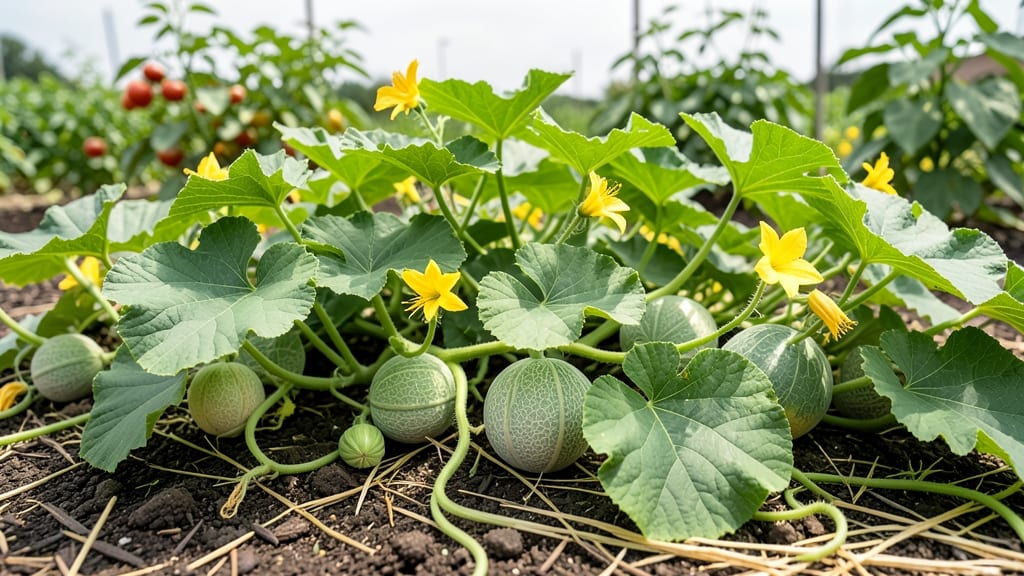
Turning a cantaloupe flower 🍉 into fruit isn’t just luck—it’s a science you can control with the right pollination tricks.
Picture this: you’ve nurtured your vines through spring, and now the blooms are open, but the fruit just won’t set. That’s because cantaloupe flowers need a little help—whether from bees, wind, or your own hands—to kickstart the process.
Without it, those delicate blossoms fall away, leaving you with empty vines and no harvest.
In this guide, I’ll break down the exact steps to maximize fruit set, from identifying female flowers to mastering hand-pollination techniques. You’ll also learn how temperature, sunlight, and even your watering habits can make or break your cantaloupe’s journey from bloom to ripe fruit.
By the end, you’ll know the secret signs of successful pollination, troubleshoot common failures, and ensure your garden delivers a bounty of sweet, sun-ripened cantaloupes.
How cantaloupe flowers develop into fruit: the science behind pollination
Every cantaloupe vine produces two types of flowers: male and female, and their successful interaction determines whether you’ll harvest sweet melons or just admire pretty blooms. The female flowers hold the magic—each contains a tiny ovary that will grow into fruit once pollinated, while male flowers produce pollen.
Understanding this flower anatomy is your first step to a bountiful harvest.
Pollination happens when pollen from a male flower’s anther reaches a female flower’s stigma, triggering fertilization. In nature, bees and other insects handle this job, but cantaloupes are self-pollinating plants, meaning they can pollinate themselves.
However, environmental factors like temperature and humidity often interfere, reducing success rates. That’s why knowing the critical 24-48 hour window for fruit set is key.
| Stage | Key Features | Pollination Trigger | Success Factors |
|---|---|---|---|
| Male Flower | No ovary; produces pollen in 5-7 stamens | Wind or insect transfer | Abundant pollen for 24-hour viability |
| Female Flower | Small ovary at base; 3-5 stamens (non-functional) | Pollen from male flowers | Stigma receptivity peaks at 75-85°F |
| Pollination Window | 24-48 hours after flower opens | Bees, wind, or manual transfer | Humidity <70% and temps 70-90°F |
| Fruit Set | Ovary swells into mini-fruit in 7-10 days | Hormonal trigger from fertilization | Consistent watering and nutrient balance |
The ideal temperature range for cantaloupe pollination is between 70-90°F. Below 60°F, pollen production slows, and above 95°F, the stigma becomes less receptive. Humidity also plays a role—high humidity (>70%) can clog flower structures, preventing pollen from reaching the stigma.
That’s why early morning pollination (when humidity is lowest) often yields better results.
Bees are the primary pollinators for cantaloupes, but they’re not always reliable.
If you notice male flowers opening but female flowers dropping without setting fruit, your vines might need help. Wind pollination is less effective for cantaloupes since their flowers aren’t designed for it, but gentle breezes can still transfer pollen between vines.
For maximum success, I recommend monitoring your plants daily during peak flowering.
Once pollination occurs, the female flower’s ovary begins developing into a fruit within 7-10 days.
During this critical growth phase, the tiny fruit needs consistent care. Overwatering or nutrient deficiencies can cause blossom end rot or poor fruit development, so I always check soil moisture and fertilize with a balanced 10-20-10 NPK mix every 4-6 weeks.
Too much nitrogen early on encourages leafy growth but delays fruit production.
One common misconception is that all cantaloupe flowers will set fruit. In reality, only about 50-70% of female flowers successfully pollinate under ideal conditions. If you’re growing cantaloupes in containers or shaded areas, success rates drop even further.
That’s why I always plant extra seeds—it’s better to have more flowers than miss out on potential fruit due to pollination failures.
To boost your cantaloupe’s pollination success, I suggest planting bee-friendly flowers like marigolds or sunflowers nearby. These attract pollinators and increase the chances of successful transfers. Additionally, if you’re in a region with low bee activity, consider hand-pollinating your cantaloupes using a soft paintbrush.
Simply brush pollen from male flowers onto female stigmas in the early morning when flowers are fully open.
Environmental stress, like sudden temperature drops or drought, can also disrupt pollination. If your cantaloupes are struggling, I recommend using row covers to protect flowers from cold snaps or providing drip irrigation to maintain consistent moisture.
Even a few degrees of temperature fluctuation can reduce fruit set by up to 30%, so stability is key.
Finally, remember that cantaloupe vines produce both male and female flowers throughout the growing season. Early in the season, you’ll see more male flowers, but as the plant matures, the ratio shifts toward females.
This is nature’s way of ensuring energy isn’t wasted on fruit production until the vine is established. By understanding this cycle, you can adjust your care routine to support female flower development as the season progresses.
With the right conditions and a little attention to detail, your cantaloupe flowers will transform into juicy, ripe fruit in no time. The science behind pollination might seem complex, but breaking it down into manageable steps makes it easier to troubleshoot and optimize your harvest. Happy gardening! 🌱🍉
Step-by-step guide to maximizing cantaloupe fruit set through hand pollination
When cantaloupe vines burst into bloom, the real work begins—because nature’s pollinators like bees might not always be enough to guarantee fruit set. That’s where hand pollination becomes your secret weapon.
This method gives you full control over the process, ensuring every female flower has the chance to develop into a sweet, ripe cantaloupe. The best part? It only takes a few minutes each morning and can double your harvest.
Before you start, know this: timing and technique are everything. Cantaloupe flowers open in the morning and must be pollinated within their first 24-48 hours for the best success. Miss that window, and the blossom will drop, leaving you with empty vines.
But with the right approach—identifying female flowers, using the proper tools, and following a precise routine—you’ll transform those delicate blooms into a bounty of fruit.
How to Hand-Pollinate Cantaloupe Flowers
-
Step 1: Identify Female Flowers
Look for blooms with a small bump at the base of the flower—this is the immature fruit waiting to form. Male flowers have long stems and no bump.
-
Step 2: Choose the Right Tools
Use a soft paintbrush or cotton swab to gently transfer pollen. Avoid fingers—they can damage delicate flower parts.
-
Step 3: Collect Pollen from Male Flowers
Gently tap a male flower (no bump at base) over a piece of paper to release pollen. Or, use your tool to brush pollen from the anthers (yellow pollen sacs).
-
Step 4: Transfer Pollen to Female Flowers
Dip your tool into the collected pollen, then lightly brush the stigma (the fuzzy center) of each female flower. Do this for 3-5 flowers per vine to ensure success.
-
Step 5: Repeat Daily for 3 Days
Pollinate the same flowers again on days 2 and 3 to maximize fertilization. Early morning (before 9 AM) is the best time when flowers are fresh.
-
Step 6: Monitor for Fruit Set
Within 7-10 days, the bump at the flower base will swell into a small fruit. If it drops, repeat pollination on new female flowers.
✅ Pro Tip: Keep a pollination log to track which flowers you’ve pollinated and their progress.
Once you’ve pollinated your female flowers, the real test begins: fruit retention. Even after successful pollination, cantaloupes can drop if they don’t receive the right care. Start by ensuring your vines get consistent watering—deep soaks every 3-5 days—but avoid overwatering, which can cause blossom end rot.
A balanced fertilizer (like 10-20-10) applied every 4-6 weeks will also support fruit development.
Watch for pests like cucumber beetles or diseases like powdery mildew, which can stress the plant and lead to fruit drop. If you notice flowers wilting or falling off, inspect the vines for damage and treat accordingly.
With the right post-pollination care, your hand-pollinated cantaloupes will grow into plump, sweet fruits ready for harvest in 75-90 days.
If you’re still struggling with low fruit set, don’t give up. Sometimes, environmental factors like high temperatures (above 90°F) or low humidity can interfere. In these cases, provide shade cloth during peak heat and water deeply to keep the soil cool.
With patience and precision, you’ll turn those blooms into a bountiful cantaloupe harvest.