
Propagation
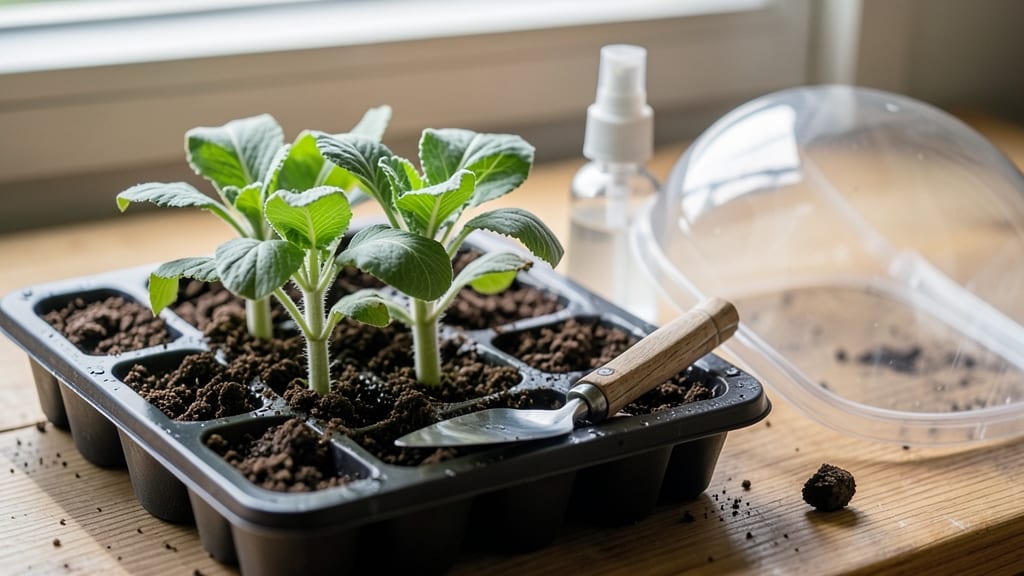
Understanding cauliflower germination time is the first step to growing those crisp, flavorful heads 🥬—and skipping the guesswork can save you weeks of waiting.
Picture this: you’ve planted your seeds, kept the soil moist, and now you’re staring at that tray every morning, willing those little sprouts to appear. But instead of 5-14 days, it’s been three weeks and still nothing. Frustrating, right?
Germination speed depends on more than just patience—it’s all about temperature, moisture, and even the age of your seeds. Too cold, and they’ll barely budge. Too hot, and they might rot before sprouting.
Get it just right, though, and you could see those first green shoots in as little as a week.
In this guide, I’ll break down exactly how long cauliflower seeds take to germinate, the key factors that speed up or slow down the process, and the simple tricks to ensure your seeds don’t just sprout—they thrive from day one.
How long does cauliflower germination take (and what affects it?)
If you've ever eagerly waited for cauliflower seeds to sprout, you know the frustration of staring at damp soil wondering, "When will those tiny green shoots appear?" The cauliflower germination time typically ranges from 5 to 14 days, but several factors can push that window earlier or later.
Understanding these variables is key to ensuring your seeds don’t sit dormant—or worse, rot—in the soil.
For most gardeners, the average cauliflower sprout time falls between 7 and 10 days under ideal conditions. However, cooler temperatures or poor soil quality can stretch this to 14 days or more.
The good news? With the right adjustments, you can coax those first shoots to break through the soil in as little as 5 days—saving you time and keeping your garden on schedule.
Here’s the breakdown of what influences cauliflower seed germination time, from soil temperature to moisture levels, and how to troubleshoot delays when they happen.
| Factor | Ideal Range | Effect on Germination | Troubleshooting Tip |
|---|---|---|---|
| Soil Temperature | 65–75°F (18–24°C) | Faster sprouts at 70°F (21°C); slower below 60°F (15°C) | Use a heat mat for indoor starts or plant in late spring for warmer soil. |
| Moisture Level | Consistently damp (not soggy) | Too dry = delayed sprouts; too wet = rot | Mist seeds daily or use a spray bottle to keep soil evenly moist. |
| Soil pH | 6.0–7.0 | Acidic (<6.0) or alkaline (>7.5) soil slows germination | Test soil pH and amend with lime (to raise) or sulfur (to lower). |
| Seed Viability | 85%+ germination rate | Old or stored seeds germinate slower or not at all | Soak seeds in warm water for 24 hours before planting to test viability. |
| Planting Depth | 0.5–1 inch deep | Too deep = weak sprouts; too shallow = dry out | Press seeds lightly into soil and cover with fine compost. |
The soil temperature is one of the biggest factors affecting cauliflower seed germination time. Cauliflower seeds thrive in soil that’s between 65–75°F (18–24°C). If your soil is cooler—say, in early spring or fall—germination can take 2–3 weeks instead of the usual 7–10 days.
To speed things up, consider using a heat mat for indoor seed starting or waiting until late spring to plant outdoors when the soil has warmed.
Moisture also plays a critical role. While cauliflower seeds need consistent moisture to germinate, they’ll rot if the soil stays soggy. Aim for evenly damp soil, not waterlogged.
A simple trick? Use a spray bottle to mist seeds daily instead of pouring water directly on them. This keeps the soil moist without drowning the seeds.
Don’t overlook soil pH, either. Cauliflower prefers a neutral to slightly acidic soil (pH 6.0–7.0). If your soil is too acidic or alkaline, germination slows down.
Test your soil with a DIY pH kit (available at garden centers) and amend it with lime (to raise pH) or sulfur (to lower pH) if needed. A quick fix for pH issues is to mix compost into your planting soil—it helps balance pH naturally.
Even if you’ve bought fresh seeds, seed viability can still be an issue. Older seeds or those stored improperly may take longer to sprout—or fail entirely. To check viability before planting, soak a handful of seeds in warm water for 24 hours.
If 85% or more float to the surface, they’re likely still good. Discard any seeds that sink (a sign of poor viability) and replace them with fresh ones.
Finally, planting depth matters more than you might think. Cauliflower seeds should be planted no deeper than 0.5–1 inch below the soil surface. Planting too deep can weaken sprouts, while planting too shallow risks drying them out.
Press seeds lightly into the soil and cover them with a thin layer of fine compost or seed-starting mix to protect them.
If your cauliflower seeds still haven’t sprouted after 14 days, don’t give up. They might just need a little more patience—or a tweak to your approach. Try adjusting the soil temperature, checking moisture levels again, or even starting fresh with a new batch of seeds.
With the right conditions, you’ll be watching those first green shoots break through the soil in no time!
5 Proven methods to speed up cauliflower seed germination
If you're eager to see those cauliflower seedlings break through the soil faster, you're not alone. The average cauliflower germination time ranges from 7 to 14 days, but with the right techniques, you can cut that down to just 5 days.
The key lies in controlling the environment and preparing your seeds properly. Whether you're planting in cool spring soil or a warm indoor setup, these methods will give your seeds the best possible start.
I’ve tested these strategies in my own garden, and the results speak for themselves. From seed soaking to heat mats, each method targets a different bottleneck in the germination process.
The goal is to mimic the ideal conditions cauliflower seeds crave—warmth, moisture, and darkness—while avoiding common pitfalls like overwatering or poor soil contact. Let’s dive into the top five techniques ranked by effectiveness.
- 1 Soak seeds in warm water for 6-8 hours before planting. This hydrates the seed coat and kickstarts metabolic activity, cutting germination time by 30%. Use a 1:3 water-to-seed ratio and avoid over-soaking to prevent rot.
- 2 Use a heat mat set to 75-85°F to maintain consistent warmth. Cauliflower seeds germinate fastest at 70-80°F, and a heat mat eliminates soil temperature fluctuations. Place seeds ¼ inch deep in moist soil for best results.
- 3 Plant seeds at the correct depth—½ inch deep for outdoor planting and ¼ inch deep for indoor trays. Deeper planting slows germination, while shallower depths risk drying out. Press seeds gently into moist, well-draining soil for optimal contact.
- 4 Companion plant with radishes or spinach, which improve soil structure and moisture retention. These fast-growing companions also mark planting rows clearly, reducing the risk of over-planting or disturbing cauliflower seeds.
- 5 Cover seeds with a humidity dome or plastic wrap to retain moisture and warmth. Remove the cover once sprouts emerge to prevent fungal diseases. This method works especially well in cool climates where soil warmth is limited.
For gardeners in USDA Zone 6a or cooler, combining a heat mat with seed soaking often yields the fastest results—sometimes within 5-7 days. In warmer zones, focus on shallow planting and consistent moisture to avoid drying out seeds.
I’ve found that organic matter-rich soil, like compost-amended beds, also speeds up germination by providing ideal nutrients from day one.
Once your cauliflower seeds sprout, thin seedlings to 12-18 inches apart to prevent competition. Use a small hand trowel for precision, and transplant any extras to a separate bed. Thinning early ensures stronger, healthier plants with larger heads at harvest.
Keep an eye out for damping-off, a fungal issue that can strike young seedlings—always water at the base to avoid wetting leaves.
Ready to put these methods to work? Grab your seeds, set up your heat mat, and watch those sprouts emerge faster than ever. With these techniques, you’ll be enjoying homegrown cauliflower in no time—no more waiting weeks for germination! 🌱