
Blooming
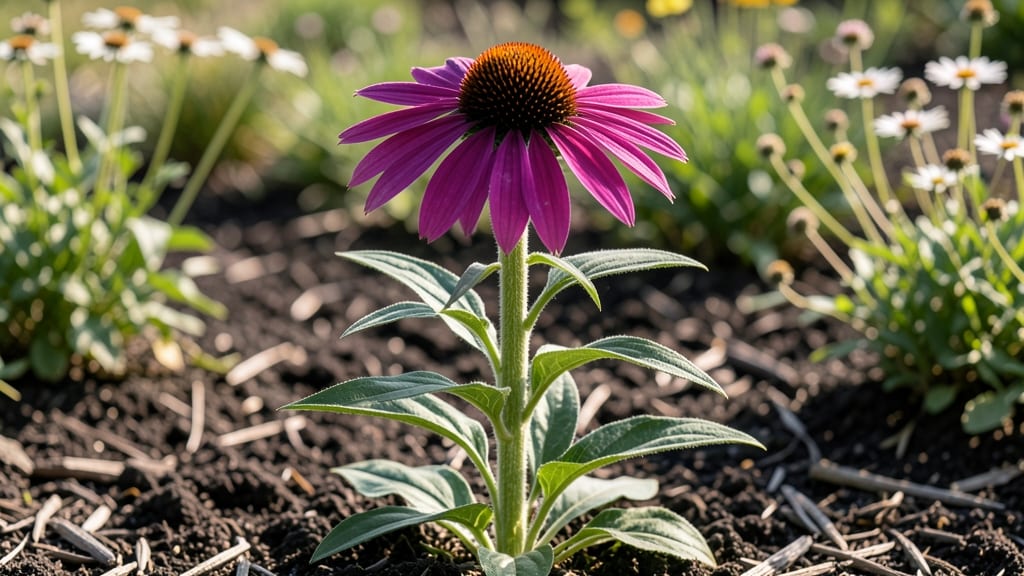
Coneflower blooms in season bring vibrant color to gardens from July through September, with timing that shifts by zone and variety.
If you’ve ever wondered why your coneflowers aren’t blooming when you expect—or how to time your garden for maximum color—this guide unlocks the secrets of their peak bloom seasons across USDA zones and varieties.
In Zone 6a, where many gardeners live, purple coneflowers (🌼) typically burst into bloom around early July, while later varieties like 'White Swan' may stretch into September. But climate, sunlight, and even soil care can push those windows earlier or later.
Below, I’ll break down the best bloom windows by zone, the top varieties for long-lasting color, and simple tricks—like deadheading and fertilizing—to make your coneflowers shine all season long.
Coneflower bloom season by USDA Zone: timing for peak color
Timing your garden for coneflower blooms depends heavily on your USDA zone and local microclimates. While most varieties thrive in full sun (6+ hours daily), their bloom windows shift dramatically from Zone 3 to Zone 10.
Understanding these patterns helps you plan for season-long color and adjust care routines accordingly.
Northern zones (3-6) typically see earlier blooms starting in late June, while southern zones (7-10) may bloom as early as April. However, microclimates—like southern exposures or urban heat islands—can push blooms 2-4 weeks earlier even in colder zones. Let’s break down the specifics.
🌱 Pro Tip: Use these bloom windows as a guide, but always monitor your plants. A hot summer in Zone 5 might trigger blooms weeks ahead of schedule!
| USDA Zone | Early Bloom Window | Peak Bloom | Late Bloom Window | Microclimate Adjustment |
|---|---|---|---|---|
| 3-4 | Late June | July-August | Early September | Southern exposure = 1-2 weeks earlier |
| 5-6 | Early June | June-August | Late September | Urban heat = 2 weeks earlier |
| 7-8 | April-May | May-July | Early September | Northern exposure = 2 weeks later |
| 9-10 | March-April | April-June | July | Coastal zones = 1-3 weeks later |
In Zones 3-4, coneflowers often bloom later due to cooler springs. However, if your garden has a south-facing slope, expect blooms to start 1-2 weeks earlier.
For example, in Zone 4, a sunny south-facing bed might see flowers as early as mid-June instead of late June.
For Zones 5-6, the peak bloom period stretches from June to August, making them ideal for long-season gardens. If your area experiences hot summers, blooms may fade faster—so deadheading spent flowers (removing faded blooms) can extend the season by 3-4 weeks.
💡 Deadheading Tip: Snip off wilted blooms at the base with clean pruners. This redirects energy to new flowers, often triggering a second flush in late summer.
Southern zones (7-10) enjoy earlier and longer blooms, often starting as early as March. However, coastal areas may experience delayed blooms due to cooler ocean breezes. In Zone 9, for instance, a coastal garden might not peak until late May instead of April.
To extend coneflower blooms in any zone, focus on three key strategies: deadheading, consistent watering, and light pruning. Skipping deadheading can reduce bloom time by up to 50%, while proper watering (especially during drought periods) keeps plants vibrant.
If your coneflowers bloom too early (e.g., February in Zone 8), they may suffer from late frosts. Protect them with row covers or choose later-blooming varieties like 'Magnus' or 'White Swan', which thrive in full sun and handle heat better.
For Zone 10 gardeners, blooms may start in March but fade quickly in hotter months. Provide afternoon shade during peak summer to preserve blooms. Mulching with organic matter also helps retain moisture and cool roots.
Remember, coneflowers are drought-tolerant, but they reward consistent care with longer, more vibrant blooms. By aligning your expectations with your USDA zone and adjusting for microclimates, you’ll enjoy peak color from early summer to fall.
Best coneflower varieties for season-long blooms: from early to late
Choosing the right coneflower varieties can transform your garden from a summer flash to a season-long color show. While most Echinacea purpurea blooms peak in mid-summer, some varieties stretch from June to October with proper care.
The key lies in selecting cultivars bred for extended bloom duration and matching them to your USDA zone.
For example, the classic 'Magnus' variety delivers deep purple blooms from July to September in Zones 4-9, but 'White Swan' outshines it with creamy white flowers that last from June through October.
Meanwhile, 'Hot Papaya' offers a sunset-orange hue that thrives in Zones 5-9 and blooms from July to frost.
Coneflower Bloom Season Comparison
Early Bloomers
- 'Green Envy' - Lime-green blooms, June-August
- 'White Swan' - Pure white, June-October
- 'Sombrero Copper' - Copper tones, July-September
Mid-Season Stars
- 'Magnus' - Deep purple, July-September
- 'Hot Papaya' - Orange, July-October
- 'Cheyenne Spirit' - Red, July-September
Late Bloomers
- 'White Lady' - White, August-Frost
- 'Purple Beauty' - Lavender, August-September
- 'Sunrise' - Yellow, July-October
Pro Tip: For maximum bloom duration, pair early and late varieties together. This creates a continuous color display from June through frost.
If you live in Zone 5 or colder, focus on hardy varieties like 'Sombrero White' or 'Green Envy', which tolerate cooler temperatures better than tropical-looking 'Hot Papaya'.
In Zones 7-9, you can push the envelope with heat-loving cultivars like 'Sunrise' or 'White Swan', which thrive in summer's peak heat.
Color intensity also varies by variety. 'Cheyenne Spirit' delivers the most vibrant red blooms, while 'White Swan' maintains its pristine white color even in full sun. For drought conditions, 'Magnus' and 'Hot Papaya' are top performers, requiring 30-50% less water than average perennials while still producing abundant blooms.
To extend any coneflower's bloom season, I recommend deadheading spent blooms every 10-14 days and applying a balanced 5-10-10 fertilizer in early spring. This simple routine can add 2-4 extra weeks of flowering to your garden.
For example, my 'White Swan' plants in Zone 6a typically bloom until mid-October with this care, while neglected plants fade by early September.
Remember that soil quality plays a crucial role. Coneflowers thrive in well-draining, slightly acidic soil (pH 6.0-7.0). If your garden soil is heavy clay, consider planting in raised beds or amending with compost and perlite to improve drainage and aeration.
This small investment can mean the difference between 6 weeks and 12 weeks of continuous blooms.