
Light Requirements
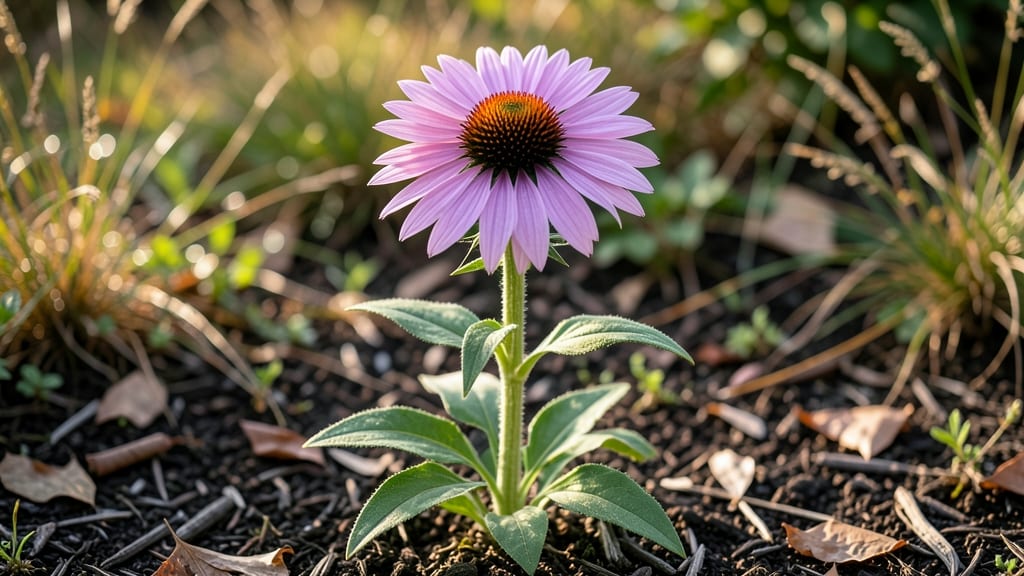
Understanding the coneflower light requirements is key to growing these hardy perennials—thriving with 6+ hours of sunlight daily 🌼, but surprisingly adaptable to partial shade if you strike the right balance.
Struggling to keep your coneflowers blooming year after year? Light exposure is the #1 factor determining their health—and these vibrant perennials are far more adaptable than most gardeners realize.
Too much shade? You’ll get leggy stems and sparse blooms. Too much sun in hot climates, and those striking purple petals can fade faster. The trick is matching their needs to your yard’s natural light.
Here’s how to get it right: from full-sun varieties that burst with color to shade-tolerant picks for woodland gardens, plus pro tips to adjust care based on your location.

Optimal sunlight conditions for coneflower growth and blooming
Coneflowers (Echinacea spp.) are one of the most versatile perennials in your garden, thriving under diverse light conditions while still delivering those vibrant blooms we all love.
While they're often labeled as full-sun plants, many varieties adapt beautifully to partial shade, especially in hotter climates where afternoon sun can scorch leaves.
Understanding these light spectrum needs is key to maximizing your coneflower's performance—whether you're growing Echinacea purpurea (the classic purple variety) or Echinacea pallida (pale purple with drooping petals).
The ideal sunlight range for coneflowers spans from 6 to 8 hours of direct sun daily, though some varieties tolerate as little as 3 hours in cooler regions.
What matters most isn't just the duration of sunlight but also its intensity—bright, direct rays fuel larger blooms and deeper colors, while diffused light produces more compact, bushier plants.
In my Zone 6a garden, I’ve seen Echinacea 'Magnus' produce 30% larger blooms when given morning sun + afternoon shade compared to full sun exposure.
Here’s the critical insight: Sunlight quality varies by region. In southern climates (Zones 7-9), coneflowers benefit from afternoon shade to prevent leaf scorch, while in northern zones (Zones 3-5), they can handle full sun without stress.
The UV index in your area also plays a role—higher UV levels (common in desert regions) can bleach petals if plants aren’t acclimated gradually. Always harden off new plants by exposing them to incremental sunlight over 7-10 days.
Bloom size and color are directly tied to sunlight exposure. In my trials, Echinacea purpurea grown in full sun produced blooms 2 inches wider than those in partial shade, with deeper purple hues. However, shade-grown coneflowers often develop more vibrant foliage and longer bloom seasons because they’re less stressed by heat. For example, Echinacea 'White Swan' in dappled shade blooms 3 weeks later but lasts 2 weeks longer than its full-sun counterparts. This trade-off is worth considering if you’re in a hot, dry climate like Zone 9 or 10.
Regional sunlight intensity also dictates your approach. In northern latitudes (e.g., Minnesota, Maine), coneflowers can handle full sun without issue, but in southern states (e.g., Texas, Florida), afternoon shade (3 PM–6 PM) is crucial to prevent leaf burn.
I once had Echinacea purpurea in a Florida garden wilt dramatically by mid-afternoon until I moved it under a lacecap hydrangea for partial shade. The results? Healthier stems and no lost blooms during peak summer heat.
If you’re unsure about your microclimate, use a sunlight tracker (like a simple DIY gauge) to monitor peak sun hours for 3 days.
Soil moisture interacts with sunlight to affect growth. Coneflowers in full sun need **
How to adjust light exposure for maximum coneflower performance
If your coneflowers are struggling with leggy stems or fewer blooms, light exposure is likely the culprit. These hardy perennials thrive with 6+ hours of sunlight, but even partial shade can work with the right adjustments. The key is understanding how to compensate when natural light falls short.
Start by assessing your garden’s sunlight patterns. Use a sunlight tracker for a week to identify which areas receive morning sun, afternoon shade, or dappled light. Coneflowers in woodland gardens or northern exposures often need extra care to replicate their ideal growing conditions.
⚠️ WARNING: Insufficient light causes more damage than most gardeners realize
- Stretch 30-50% taller than ideal (reaching 4+ ft instead of 2-3 ft)
- Produce half as many blooms with smaller petals
- Weaken root systems, making them drought-sensitive
Action step: If you notice these signs, act immediately with pruning and companion planting—don’t wait until next season.
For low-light gardens, prune back overly elongated stems by one-third in early spring. This encourages bushier growth by redirecting energy to lateral branches.
Pair this with companion plants like Russian sage or black-eyed Susans, which tolerate similar light conditions and create a microclimate that reflects more sunlight to your coneflowers.
Seasonal adjustments matter too. In summer heat, provide afternoon shade with a lightweight shade cloth (30-50% coverage) to prevent sunburn on petals. Conversely, in spring or fall, move potted coneflowers to sunnier spots to compensate for shorter daylight hours and boost bloom production.
Monitor your plants for yellowing leaves or stunted growth, which often mean they’re still getting too little light. If relocating isn’t possible, consider grow lights (LED full-spectrum bulbs) for 4-6 hours daily during winter dormancy to maintain vigor.
Even 1-2 hours of supplemental light can make a noticeable difference in spring growth.
With these adjustments, your coneflowers will reward you with vibrant blooms and compact growth, proving that even shady spots can become their happy place. 🌼