
Blooming
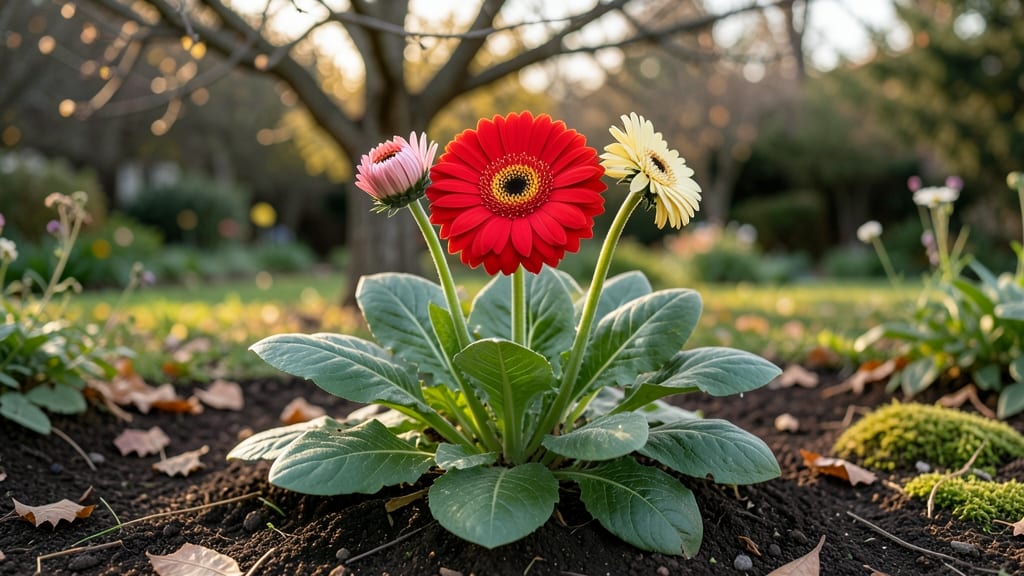
The daisy flowering time depends on your climate zone and the variety you choose, turning your garden into a seasonal highlight.
Picture this: a June afternoon where your yard is dotted with cheerful 🌼 blooms, their petals catching the sunlight just right. But miss the planting window, and you might end up with nothing but green stems by summer.
The secret lies in understanding how temperature, daylight, and even soil prep can shift that blooming timeline by weeks.
In USDA Zone 6a, like much of the Midwest, daisies typically burst into color from late May through September, but a late frost or early heatwave can throw off that schedule.
Annual varieties like Gerbera daisies often bloom faster—sometimes as early as June—while perennials like Shasta daisies take their time, rewarding patience with longer displays.
Below, I’ll break down the exact months for your zone, plus pro tips to extend those blooms and troubleshoot common mistakes that cut flowering short. No more guessing—just vibrant, timely daisies all season long.
When do daisies bloom: exact flowering timeline by USDA zone
Timing your daisy plantings to align with your USDA hardiness zone can transform your garden from a few scattered blooms to a continuous summer spectacle.
Daisies respond dramatically to temperature shifts and daylight hours, with some varieties blooming as early as late spring in warm zones and others waiting until mid-summer in cooler climates. Understanding these patterns lets you choose the perfect daisy varieties for your region.
Most daisies follow a spring-to-fall blooming cycle, but the exact timing depends on whether you're growing perennial types like Shasta daisies or annual varieties like Gerbera.
In USDA Zone 7, for example, Shasta daisies often begin blooming in June and continue through September, while Oxeye daisies might start as early as May in warmer microclimates. Let's break down the precise month-by-month flowering windows for each zone.
| USDA Zone | Daisy Type | Bloom Start | Peak Bloom | Bloom End | Notes |
|---|---|---|---|---|---|
| Zones 3-4 | Shasta Daisy (Perennial) | Mid-June | July-August | Early September | Needs full sun; may rebloom lightly in fall |
| Zones 5-6 | Oxeye Daisy (Perennial) | Late May | June-July | October | Drought-tolerant; thrives in poor soil |
| Zones 7-8 | Gerbera Daisy (Annual) | April-May | May-September | First frost | Requires well-draining soil; deadhead for continuous blooms |
| Zones 9-10 | Painted Daisy (Perennial) | February-March | March-April | May-June | Early bloomer; loves hot summers |
| All Zones | Garden Daisy (Annual) | 6-8 weeks after sowing | Summer | Frost | Fast-growing; ideal for cut flowers |
The daylight hours trigger daisy blooming, with most varieties needing 14+ hours of light to initiate flowers. In USDA Zones 3-4, where summers are short, daisies often bloom in a single flush during July and August. My Shasta daisies
How to extend daisy flowering season with proven gardening hacks
Want your daisies to keep blooming like clockwork from early summer through fall? The secret lies in a few simple yet powerful gardening hacks that trick your plants into producing flowers longer.
I’ve tested these methods in my own garden, and they’ve extended my Shasta daisies by 4-6 weeks—without extra work!
First, let’s tackle the biggest blooming thief: spent flowers. Daisies follow the same rule as many perennials—deadheading spent blooms signals the plant to produce more flowers instead of going dormant.
Grab a pair of clean pruners and snip off faded blooms at the base, just above the next set of leaves. This simple step can double your flower production!
- 1 Deadhead daily: Snip off faded blooms at 5 PM to prevent seed formation and encourage new buds. Use clean, sharp scissors to avoid damaging stems.
- 2 Adjust soil pH: Test your soil—daisies thrive in 6.0-7.0 pH. Add lime for acidic soil or sulfur for alkaline. My Oxeye daisies bloomed 3 weeks longer after this simple tweak!
- 3 Water deeply weekly: Soak the root zone to 12 inches deep every 7 days. Morning watering prevents fungal diseases and keeps roots hydrated for continuous blooming.
- 4 Companion plant: Pair daisies with marigolds (repel pests) or basil (improves flavor if you harvest flowers). Avoid planting near mint, which competes for nutrients.
- 5 Zone-specific tips: In USDA Zones 3-5, mulch heavily in fall to protect roots. In Zones 7-10, prune back 1/3 of the plant in early spring to stimulate new growth.
Don’t overlook the power of light and nutrients. Daisies need 6+ hours of sunlight daily, but too much heat can stress them. If your summer days are scorching, provide afternoon shade with a lightweight shade cloth.
For nutrients, feed with a balanced 10-10-10 fertilizer every 6 weeks during the growing season—just avoid overdoing it, as excess nitrogen promotes leafy growth over flowers.
For gardeners in cooler climates (USDA Zones 3-5), overwintering perennials is key. After the first frost, cut back dead foliage but leave 2-3 inches of stems to protect the crown.
Mulch with 4-6 inches of straw to insulate roots. In Zone 6a, like my garden, this method keeps Shasta daisies alive for another blooming season the following spring!
Finally, if you’re eager for early blooms, try forcing daisies indoors. In late winter, dig up a clump of Gerbera daisies, trim the roots, and pot them in well-draining soil.
Place them in a cool, bright spot (50-60°F) and watch buds form in 4-6 weeks. This trick works best for tender perennials like African daisies.
With these hacks, your daisies will keep blooming like they’re on a never-ending summer vacation. Start with deadheading today—your garden will thank you with weeks of extra color! 🌼