
Pruning
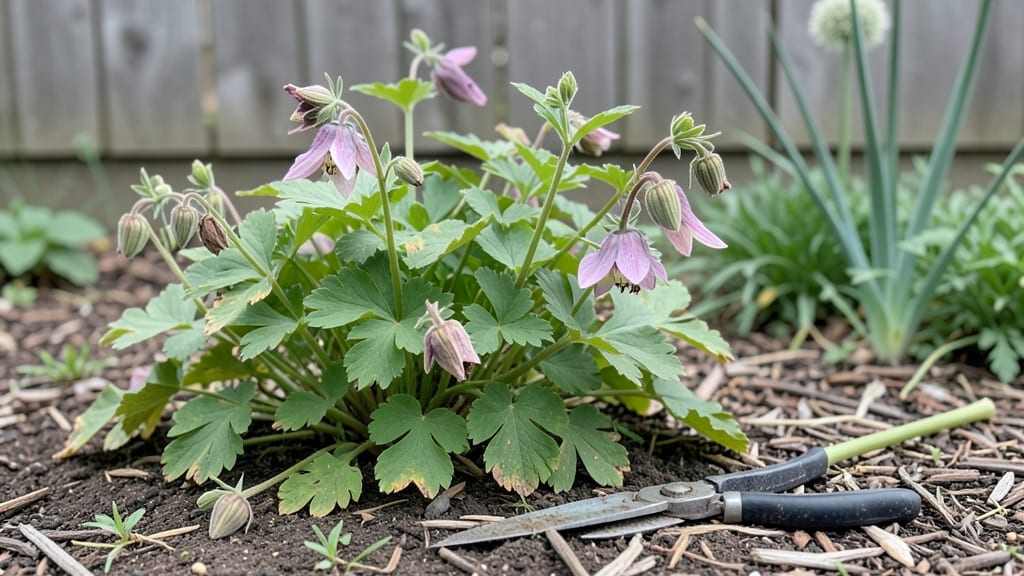
Deadheading columbine flowers is the secret to turning one season of blooms into three—my plants now flower from early summer until frost. 🌿 The trick is simple: remove spent blooms before they set seed, and the plant redirects energy into fresh flowers instead of seed production.
I used to watch my columbines fade after just a few weeks, but this one habit changed everything.
You only need two things: sharp pruners (or your fingers if you're gentle) and about 10 minutes every few days. The key is timing—deadhead right after the petals wilt but before the seedpod swells.
A quick pinch just above the next set of leaves keeps the plant tidy and encourages new growth. My columbines now produce twice as many blooms as they did before, and the flowers stay vibrant longer.
What you’ll end up with is a cascade of nodding flowers in shades of pink, purple, and white that lasts all season. The plants grow bushier, too, with more stems and foliage.
It’s like giving your columbines a second wind—no fancy fertilizers or complicated schedules, just a little maintenance that pays off in stunning color. Here’s exactly how to do it without damaging the plant.
Works for both wild columbine and cultivated varieties, and the same method applies to other long-blooming perennials like coneflowers and black-eyed Susans. Once you try it, you’ll wonder why you didn’t start sooner. The difference is that obvious.
📚 In This Guide
- What you need
- Instructions
- Tips and common mistakes
- Wrapping up and next steps
What you need
- ● Sharp pruning shears or scissors – Clean, sterilized tools (preferably bypass pruners) to avoid damaging stems or spreading disease. Avoid dull blades!
- ○ Gloves (optional but recommended) – Lightweight gardening gloves to protect your hands from thorns or sap.
- ● Disinfectant (rubbing alcohol or bleach solution) – 70% isopropyl alcohol or 1 part bleach to 9 parts water to sterilize tools between cuts.
- ○ Pruning sealant (optional) – Wound sealant or beeswax to protect larger cuts (for columbines, usually unnecessary but helpful for woody stems).
- ● A dry, sunny day – Deadheading is best done when flowers and tools aren’t damp (prevents mold or bacterial spread).
- ● Identifiable spent blooms – Look for wilted petals, brown centers, or seed pods (these are ready to go!).
- ● Patience and a gentle touch – Columbines are delicate; avoid over-pruning or rough handling.
- ● Knee pad or small stool – For comfort when working close to the ground.
- ● Bucket or trash bag – To collect deadheads and debris.
- ○ Magnifying glass (optional) – Helps spot tiny seed pods or pests hiding in foliage.
Step-by-step instructions for deadheading columbine flowers
Here's how to keep your columbine blooming all season—no fancy tools needed.
🌿 Step 1: Identify Spent Blooms and the Right Time
Columbine flowers are done when petals droop and turn brown, or when the center seed pod begins to swell. I wait until at least half the petals have faded—this ensures the plant has finished setting seeds naturally. The best time to deadhead is early morning when the flowers are still cool and firm. If you wait until afternoon, you might accidentally remove buds that are just about to open.
Grab a small handful of blooms and gently squeeze them between your fingers. If they crumble easily, they're ready. If they feel stiff or springy, give them another day. This simple check prevents over-pruning and keeps your plant healthy.
✂️ Step 2: Snip or Pinch Just Above the Leaf Node
Use clean pruning shears or your fingers to remove the spent bloom. If using shears, cut ¼ inch above the first set of healthy leaves (the leaf node). This encourages new growth from that spot. If pinching by hand, snap the stem cleanly at the same point—no need for perfect precision, just above where the leaves meet the stem.
Here's the thing—columbine stems are delicate, so avoid crushing them. If you're using shears, make a clean, diagonal cut to prevent water from pooling on the stem. A jagged cut can invite disease, and columbine doesn't need that extra stress.
🌱 Step 3: Encourage New Growth with Light Pruning
After deadheading, step back and scan your plant. If you see long, bare stems with no leaves or buds, it's time for a light pruning. Cut those stems back to just above the lowest set of leaves—this redirects the plant's energy to produce fresh blooms instead of seed pods. You'll notice new growth within 7-10 days if the plant is healthy.
Don't overdo it—columbine is a perennial, and aggressive pruning can weaken it. If more than one-third of the plant looks bare, hold off until new growth appears. The goal is to revive blooms, not reshape the plant entirely.
💧 Step 4: Water and Feed for a Strong Recovery
After deadheading, give your columbine a deep watering—enough so the soil is moist 6 inches down. Columbine thrives in well-draining soil, so avoid soggy conditions. If the soil feels dry to the touch, water again in 3-4 days. Overwatering is the quickest way to stress a plant after pruning.
For an extra boost, apply a balanced, water-soluble fertilizer (like 10-10-10) at half strength a week after deadheading. You'll see stronger stems and more vibrant blooms in 2-3 weeks. Skip the fertilizer if your soil is rich—columbine doesn't need heavy feeding to rebound.
☀️ Step 5: Monitor for New Blooms and Repeat
Watch for new buds forming at the base of the plant or along the stems. These will open in 5-7 days if conditions are right. Columbine often produces a second flush of blooms after deadheading, especially if you keep up with maintenance. If you notice fewer buds than usual, check for shade—columbine needs 4-6 hours of sunlight daily to thrive.
Repeat the deadheading process every 2-3 weeks during the blooming season. The more you remove spent flowers, the longer your columbine will keep producing color. By late summer, you might see fewer blooms—this is normal, and the plant is preparing for dormancy.
Tips & tricks for perfectly revived columbine blooms
These simple yet game-changing tips will help you extend your columbine's blooming season while keeping the plant happy and healthy.
The Right Time Matters: Early morning is ideal for deadheading because the flowers are still cool and firm, making it easier to identify truly spent blooms. If you're working in the afternoon, focus on flowers that have been brown for at least 24 hours—this prevents accidentally removing buds that are just about to open. I've learned this the hard way after accidentally trimming too many buds that were still fresh!
Precision Cutting Technique: When using pruning shears, make a clean diagonal cut just above the first set of healthy leaves (the leaf node). This angle prevents water from pooling on the stem, which could lead to rot. For hand-pinching, snap cleanly at the same point—no need for perfect precision, just above where the leaves meet the stem. The key is to avoid crushing the delicate stems, which can stress the plant.
Light Pruning Strategy: After deadheading, scan your plant for long, bare stems without leaves or buds. Cut these back to just above the lowest set of leaves to redirect the plant's energy toward producing fresh blooms. You'll typically see new growth within 7-10 days if the plant is healthy. Remember, columbine is a perennial, so avoid aggressive pruning—never remove more than one-third of the plant at once. This keeps the plant strong for future blooms.
Post-Pruning Care: After deadheading, give your columbine a deep watering to moisten the soil 6 inches down. Columbine thrives in well-draining soil, so avoid soggy conditions—water again in 3-4 days if the soil feels dry. For an extra boost, apply a balanced, water-soluble fertilizer (like 10-10-10) at half strength a week after deadheading. You'll notice stronger stems and more vibrant blooms in 2-3 weeks. If your soil is rich, skip the fertilizer—columbine doesn't need heavy feeding to rebound.
Pro Tips for Deadhead Columbine Flowers
- These simple yet game-changing tips will help you extend your columbine's blooming season while keeping the plant happy and healthy.
- The Right Time Matters: Early morning is ideal for deadheading because the flowers are still cool and firm, making it easier to identify truly spent blooms.
- Precision Cutting Technique: When using pruning shears, make a clean diagonal cut just above the first set of healthy leaves (the leaf node).
Frequently asked questions
Got questions about deadheading columbine flowers? You’re not alone—this simple task can make a big difference in your garden’s vibrancy. Here are answers to the most common queries to help you get it right:
When’s the best time to deadhead columbines?
Deadhead columbines as soon as the blooms fade—ideally in the early morning for less stress on the plant. This encourages new growth and prevents seed formation, which can drain energy. If you miss the window, don’t worry! Even later deadheading will promote fresh blooms, though the plant may take a few weeks to recover.
Will deadheading columbines encourage more flowers?
Absolutely! Columbines are self-cleaning perennials, but removing spent blooms redirects the plant’s energy toward new flowers instead of seed production. Without deadheading, you might see fewer, smaller blooms later in the season. Think of it as a little garden boost—your columbines will thank you with a longer, lush display!
What if my columbines aren’t blooming at all?
If your columbines refuse to bloom despite deadheading, check these basics:
- Light: Ensure they get 6+ hours of sunlight daily—partial shade is fine, but too much shade weakens blooms.
- Soil: Columbines prefer well-draining, slightly acidic soil. Amend heavy clay with compost if needed.
- Fertilizer: Use a balanced, low-nitrogen fertilizer (like 10-10-10) in early spring to avoid leafy growth over flowers.
- Age: Young plants may take 2–3 years to establish heavy blooms—patience is key!
Can I deadhead columbines with shears or just by hand?
Both work! For small batches, pinch off faded blooms with your fingers (just above a leaf node). For larger plants or multiple blooms, use clean, sharp pruners to avoid damaging stems. Pro tip: Sterilize shears with rubbing alcohol between cuts to prevent disease spread. Avoid cutting into woody stems—stick to soft, green growth for best results.
What if deadheading makes my columbines look messy?
Don’t stress—it’s temporary! After deadheading, columbines may look a little ragged as they redirect energy. Here’s how to tidy up:
- Trim only the faded flowers, leaving the foliage intact.
- Wait 1–2 weeks for new buds to emerge—they’ll fill in gaps beautifully.
- For a cleaner look, deadhead in stages (e.g., focus on one side of the plant at a time).
Wrapping up and next steps
Deadheading columbine flowers is a simple yet powerful way to keep your garden vibrant and full of life! 🌸 By removing spent blooms regularly, you encourage more flowers, healthier plants, and extended blooming seasons.
Whether you’re a seasoned gardener or just starting out, this easy technique will transform your garden into a stunning, long-lasting display.
Ready to give it a try? Grab your pruners and get started—your columbines (and your garden’s curb appeal!) will thank you. Happy gardening! 🌿