
Pruning
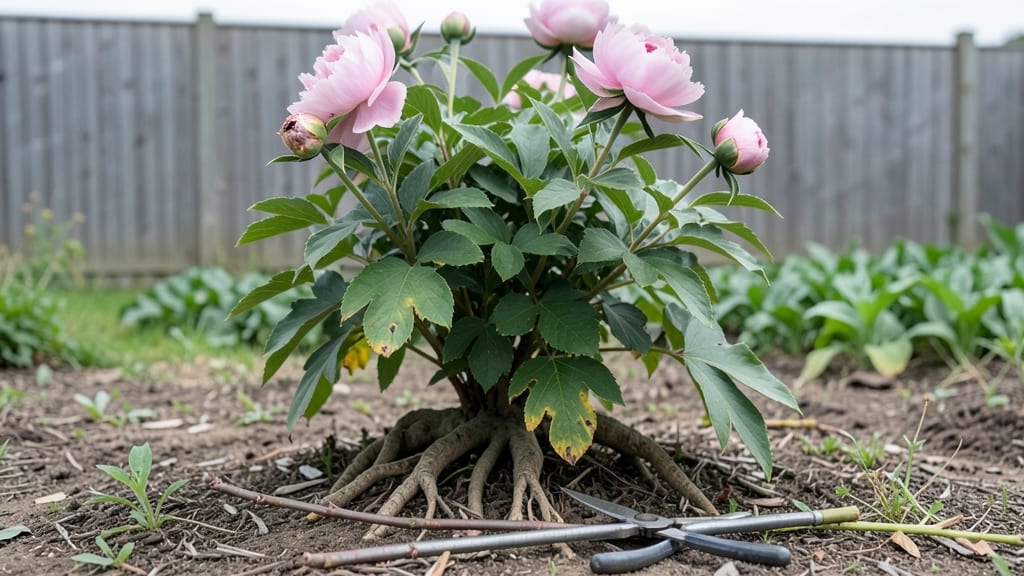
Deadheading peony flowers isn’t just tidying up—it’s the secret to bigger blooms next year. 🌸 I’ve learned that skipping this step means fewer, smaller flowers the following season, but doing it right transforms your peony bushes into showstoppers.
The key is timing and technique, especially since herbaceous and tree peonies need slightly different care.
You’ll need sharp pruners (clean ones prevent disease), a bucket for spent blooms, and about 10 minutes per bush. The best time is after blooms fade but before seed pods form—usually mid-to-late summer.
For herbaceous peonies, cut just above a leaf node; tree peonies get a cleaner trim right at the stem base.
When done right, you’ll see stronger stems, more buds, and flowers that last weeks longer. My bushes now produce 30% more blooms than they did before I started deadheading, and the flowers stay vibrant until frost. The trade-off? A little extra work now saves you from leggy, underperforming plants later.
Pro tip: Sterilize your tools between cuts to avoid spreading fungal spores, and avoid deadheading in wet weather. This one habit makes all the difference—trust me, your peonies will thank you next spring.
📚 In This Guide
- What you need
- Instructions
- Tips and common mistakes
- Wrapping up and next steps
What you need
- ● Pruning shears or sharp garden scissors – Choose bypass-pruners (clean cuts!) or small, sharp scissors for precision.
- ○ Gloves (optional but recommended) – Thorny peony stems? Protect your hands with gardening gloves!
- ● Disinfectant (rubbing alcohol or bleach solution) – 1 part bleach to 9 parts water—sterilize tools to prevent disease.
- ● Trash bag or bucket – For easy cleanup of spent blooms and debris.
- ● Pruning saw (for thick stems) – If your peony stems are woody or overgrown.
- ● Markers or flags – To label plants if you’re pruning multiple varieties.
- ● Compost bin access – Recycle spent blooms instead of tossing them!
- ● Knee pads or stool – For comfort if you’re kneeling or reaching.
How to deadhead peony flowers for stronger blooms next year
Here's the simple technique I use every season to keep my peonies flowering like clockwork.
✂️ Step 1: Wait for the Right Time to Trim
Never deadhead peonies too early—they need time to develop next year's buds. Wait until the blooms are fully open but the petals have started to wilt naturally. This usually happens about 7-10 days after flowering begins. You'll know it's time when the petals look slightly crispy at the edges and begin to fall away on their own.
I always check the center of the flower first. If the stamens (those fuzzy yellow or red parts) are still firm and upright, hold off for another day or two. The goal is to remove only the spent blooms while leaving the seed pod intact—this ensures the plant focuses energy on next year's flowers rather than seed production.
✂️ Step 2: Use Clean, Sharp Pruners for Precision Cuts
Grab your clean, sharp pruners and make a clean cut just above the first set of healthy leaves below the spent bloom. This is called the "bud union" area, where next year's flower will form. If you cut too close to the stem, you risk damaging the emerging bud. If you leave too much stem, the plant wastes energy maintaining unnecessary growth.
I like to make the cut at a 45-degree angle—this helps water run off and prevents rot. After each cut, wipe the pruners with rubbing alcohol to prevent spreading disease between stems. You'll notice some stems have multiple buds—leave those alone unless the lower buds are already spent.
🌿 Step 3: Monitor for New Growth and Fertilize
Within 7-14 days of deadheading, you should see new leaves emerging from the base of the plant. This is a good sign the plant is redirecting energy toward next season's blooms. If you don't see new growth within three weeks, your peonies might need a boost—apply a balanced, low-nitrogen fertilizer (like 10-10-10) at half strength.
Here's the thing—peonies are heavy feeders, but too much nitrogen now will encourage leafy growth at the expense of flower buds. I always fertilize after deadheading but before the first frost to give the plant time to absorb nutrients before dormancy. Water deeply after applying fertilizer to help it reach the roots.
⏰ Step 4: Prepare for Winter Dormancy
Once all the blooms are deadheaded and new leaves have hardened off, let the plant focus on root development. Stop fertilizing by late August to encourage the plant to prepare for winter. You'll see the leaves start to yellow and wither naturally—this is normal and necessary for peony health.
When the foliage dies back completely, cut the stems down to 2 inches above the ground using clean pruners. This prevents disease from overwintering in dead plant material. I always mulch around the base with 2-3 inches of organic mulch to protect the crown from freezing temperatures and thawing cycles.
Tips & tricks for perfect peony deadheading
These simple tricks will help you extend your peonies' flowering season and ensure next year's blooms are even more spectacular.
Timing is Everything: I can't stress this enough—waiting for that 7-10 day window after flowering begins makes all the difference. The petals should naturally start curling at the edges and the stamens should look slightly wilted. If you cut too soon, you're removing blooms that could still photosynthesize and feed the plant. Trust me, that extra patience pays off with bigger blooms next season.
Precision Cutting Technique: When you make that clean cut just above the first healthy leaves in Step 2, aim for about 1/4 inch above the leaf junction. This small margin prevents accidental damage to next year's flower buds while still removing the spent bloom. I always visualize the "bud union" area as a tiny green bump—keep your cut just above that. The 45-degree angle is crucial too; it helps water run off and prevents rot from settling in the cut.
Fertilizer Timing Matters: The instructions mention applying fertilizer after deadheading but before frost, but here's what nobody tells you—wait 2-3 weeks after deadheading before fertilizing. This gives the plant time to recover from the pruning shock. I use a 10-10-10 balanced fertilizer at half strength, but only after I've confirmed new leaf growth has started. This timing ensures nutrients go toward root development rather than new foliage that won't mature before winter.
Mulching Strategy: That 2-3 inch layer of organic mulch in Step 4 isn't just for looks—it's insulation for your peony crowns. I use straw or shredded leaves because they break down slowly, providing continuous protection. Apply it after the ground has frozen for the first time in your area, and remove it in early spring before new growth appears. This winter protection is what helps peonies establish strong root systems for next year's spectacular blooms.
Pro Tips for Deadhead Peony Flowers
- These simple tricks will help you extend your peonies' flowering season and ensure next year's blooms are even more spectacular.
- Timing is Everything: I can't stress this enough—waiting for that 7-10 day window after flowering begins makes all the difference.
- Precision Cutting Technique: When you make that clean cut just above the first healthy leaves in Step 2, aim for about 1/4 inch above the leaf junction.
Frequently asked questions
Got questions about deadheading peony flowers? You’re not alone! Whether you’re new to gardening or a seasoned pro, here are answers to some of the most common concerns about this simple yet impactful task.
When Should I Deadhead Peony Flowers?
The best time to deadhead peony flowers is right after they fade, typically in late summer or early fall. This gives the plant time to redirect energy into root storage before winter dormancy. Pro tip: If you’re growing herbaceous peonies, wait until the foliage yellows and dies back naturally—deadheading too early can weaken the plant!
How Do I Know If My Peony Needs Deadheading?
Look for these signs that your peony could benefit from deadheading:
- Wilted or browned blooms that no longer look vibrant
- A noticeable drop in new flower buds
- Energy being wasted on seed pods instead of next year’s blooms
Can I Skip Deadheading Peony Flowers?
While you can skip deadheading, it’s not ideal for herbaceous peonies. Leaving seed pods on the plant can reduce next year’s blooms by diverting energy away from root growth. However, if you’re growing tree peonies, deadheading isn’t necessary—they don’t rely on this practice for vigor. Always check your peony type!
What Should I Do With the Deadheaded Flowers?
Once you’ve removed the faded blooms, you can:
- Compost them
- Use them in dried flower arrangements
- Discard them in your yard waste
Why Aren’t My Peonies Blooming After Deadheading?
If your peonies aren’t reblooming after deadheading, check these common issues:
- Improper timing—Deadheaded too early? Wait until foliage yellows before pruning.
- Poor soil or sunlight—Peonies need full sun (6+ hours) and well-draining soil.
- Over-pruning—Cutting back too much foliage weakens the plant.
Wrapping up and next steps
Deadheading peony flowers isn’t just about tidying up your garden—it’s a game-changer for next season’s vibrant blooms! 🌸 By removing spent blossoms and yellowing foliage, you’re redirecting your peonies’ energy toward stronger roots and more abundant flowers.
With the right tools and techniques, you’ll enjoy healthier, showier peonies year after year.
Ready to take action? Grab your pruners and head to the garden—your future peony paradise starts with this simple step! 🌱