
Landscaping
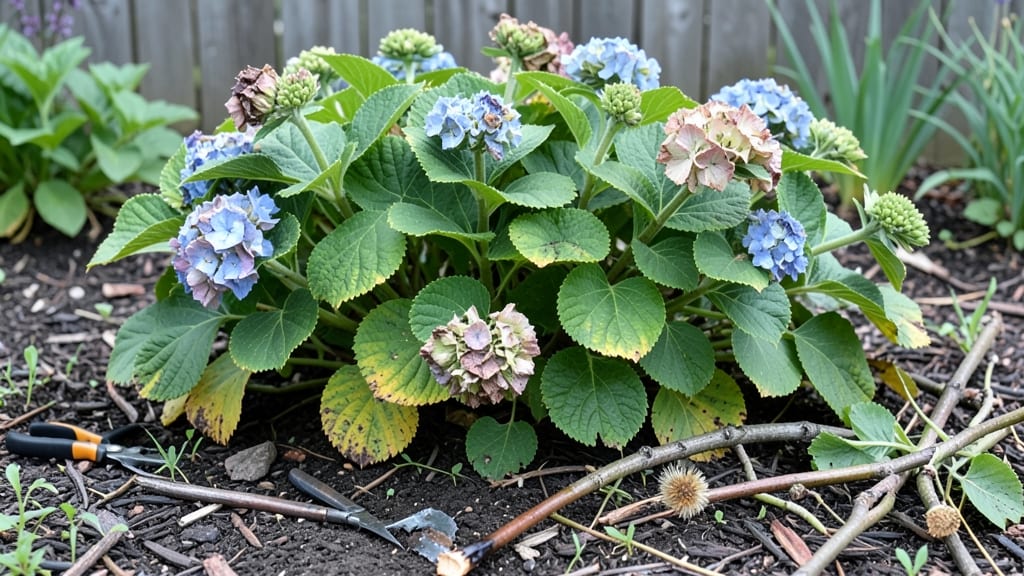
Decorating flower beds doesn't have to mean endless work—it's about creating stunning visuals that practically care for themselves once you set them up. I designed my first low-maintenance bed last spring, and now it bursts with color from March through November with almost no effort.
The secret lies in choosing plants that thrive together, layering heights for drama, and using mulch that suppresses weeds while keeping roots cool.
You'll need a mix of perennials for structure, annuals for seasonal pops of color, and some evergreens or ornamental grasses to anchor the design year-round. Think three-foot-tall hydrangeas paired with 12-inch salvias and 6-inch creeping thyme—each plant plays a role in the big picture.
Mulch isn't just decoration; it's the workhorse that keeps weeds down and moisture in, cutting maintenance by 70%.
What you end up with is a bed that looks like it belongs in a magazine, but requires just 15 minutes of weeding every other month. The colors shift naturally with the seasons—soft purples in spring, fiery reds in summer, and deep burgundies in fall—while the structure stays intact.
You'll feel like you've hired a landscaper, but with plants you can actually enjoy instead of fight.
This works for any style—whether you're going for a wild cottage garden look with rambling roses or a clean-lined modern vibe with geometric shapes. The key is balancing height, texture, and bloom times so there's always something interesting to see.
Let's make your flower beds the star of the show without the headache.
📚 In This Guide
- What you need
- Instructions
- Tips and common mistakes
- Wrapping up and next steps
What you need
- ● Soil & Amendments: Topsoil (2–3 cubic yards, depending on bed size)
- ● Compost or organic matter (1–2 bags, 40–60 lbs each)
- ● Slow-release fertilizer (e.g., 10-10-10, 1–2 lbs per 100 sq ft)
- ● Plants (Low-Maintenance Picks): Perennials (e.g., coneflowers, black-eyed Susans, daylilies) – 5–10 plants per bed
- ● Shrubs (e.g., boxwood, hydrangeas, or dwarf lilacs) – 3–5 per bed
- ● Ground covers (e.g., creeping thyme, ajuga, or sedum) – 10–15 plants per bed
- ○ Seasonal annuals (e.g., petunias, marigolds, or pansies) – 5–10 per bed (optional for pops of color)
- ● Mulch: Organic mulch (e.g., shredded bark, pine straw) – 2–3 cubic feet per 100 sq ft
- ○ Inorganic mulch (e.g., gravel or river rocks) – 1–2 bags per bed (optional for modern looks)
- ● Garden shovel or spade (for digging)
- ● Garden trowel (for planting small perennials)
- ● Wheelbarrow (for hauling soil/mulch)
- ● Rake (for leveling soil)
- ● Garden gloves (to protect your hands!)
- ● Watering can or hose with spray nozzle (for post-planting hydration)
- ● Measuring tape (to plan spacing)
- ○ String & stakes (optional, for marking plant placement)
- ● Sunlight analysis: Know your bed’s sunlight exposure (full sun, partial shade, or full shade).
- ○ Bed outline: Sketch a simple design or use landscape fabric (optional) to define edges.
- ● Water access: Ensure a nearby hose or irrigation system for easy watering.
- ● Weather check: Plant on a cool, overcast day or early morning to reduce stress on plants.
Instructions for designing year-round flower beds with minimal upkeep
Here’s how to create a vibrant, low-maintenance display that thrives through every season.
Plan Layers for Seasonal Interest
Start by sketching your bed’s dimensions and dividing it into three layers: tall plants at the back, mid-height varieties in the center, and low-growing ground covers in front. I like to use evergreen shrubs like boxwood or dwarf holly for structure—they provide winter backbone while requiring almost no care. For spring color, tuck in bulbs like daffodils or tulips beneath taller perennials, so their foliage emerges cleanly without competition.
Add summer-blooming perennials like coneflowers or black-eyed Susans in clusters of three or five for natural groupings. These self-seed reliably and return year after year. Finally, fill gaps with annuals like pansies or violas for winter and early spring color—they’ll bloom nonstop until summer heat arrives. The key is spacing: give each plant room to mature without crowding, which reduces disease risk and makes maintenance effortless.
Prepare Soil for Drought-Tolerant Growth
Before planting, loosen the top 12 inches of soil with a broadfork or tiller to improve drainage—waterlogged roots are the enemy of low-maintenance beds. Amend the soil with 2 inches of compost mixed into the top 6 inches, then top with 1 inch of mulch (like shredded bark or pine needles) to retain moisture and suppress weeds. I swear by this method: once established, my beds need watering only once a week during dry spells.
Test your soil’s pH if you’re unsure—most perennials thrive in neutral to slightly acidic conditions (6.0–7.0). If your soil is heavy clay, blend in 1 part perlite or coarse sand to the 2 parts native soil to create a looser, more forgiving medium. The goal is soil that drains well but holds enough moisture to sustain roots through drought periods. Don’t skip this step—poor soil is the fastest way to turn a low-maintenance dream into a high-effort nightmare.
Plant for Continuous Bloom Cycles
Stagger planting times so one group is always in flower. Start with late-winter bloomers like hellebores or winter jasmine, then add spring bulbs like alliums or grape hyacinths. As those fade, early summer perennials like catmint or lavender take over, followed by late summer varieties like sedum or asters. Finally, tuck in fall-blooming options like mums or Russian sage to extend the season until frost.
Here’s the trick: pair each seasonal plant with a foliage plant that holds interest when blooms fade. For example, hostas provide lush greenery under trees, while ornamental grasses like fountain grass sway in the breeze long after their neighbors have finished blooming. This layered approach ensures your bed never looks bare, even in winter. Space plants according to their mature sizes—check the tags for guidance, but err on the side of giving them room.
Mulch and Water Strategically
After planting, spread 3 inches of mulch evenly over the bed, keeping it 2 inches away from plant stems to prevent rot. I use shredded hardwood mulch because it breaks down slowly and improves soil structure over time. Replenish it annually in early spring—this single step cuts watering needs by half and keeps weeds at bay. Water deeply once a week during the first growing season to encourage deep root growth, then taper off to every 10–14 days once plants are established.
Water in the early morning to reduce evaporation and fungal risks. You’ll know you’re doing it right when the soil 1 inch below the surface feels slightly moist but not soggy. Overwatering is the silent killer of low-maintenance beds—it invites weeds and weakens roots. If your bed has drip irrigation, set timers to deliver ½ inch of water per zone, twice weekly during dry periods. This consistency is what turns a good design into a truly effortless one.
Prune and Refresh Annually
In late winter or early spring, remove dead or diseased foliage and trim back overgrown perennials by one-third to encourage fresh growth. I use clean, sharp pruners to make cuts just above a leaf node or bud—this ensures new shoots emerge in the right place. For grasses and ornamental plants, cut back to 2–3 inches above the ground to stimulate new growth. This annual reset keeps plants healthy and prevents them from becoming woody or leggy.
Here’s where many gardeners go wrong: they skip the spring cleanup because it seems like extra work. But trust me—10 minutes of pruning in March saves hours of weeding and deadheading later. After pruning, top-dress the bed with ½ inch of fresh mulch and a light layer of compost (about ¼ inch) to feed the soil without overwhelming plants. This simple routine keeps your bed looking polished with minimal effort.
Tips & tricks for perfect year-round flower beds
Creating a stunning, low-maintenance flower bed takes thoughtful planning—and these insider tips will help you avoid common pitfalls while maximizing seasonal interest.
Layering for Visual Impact: When sketching your bed's dimensions in Step 1, consider the mature height of each plant category. Place taller evergreens like boxwood at the back (they'll provide structure for years), then add mid-height perennials like coneflowers in clusters of five, and finally fill the front with low-growing annuals like pansies. This vertical layering creates depth perception and prevents the bed from looking flat. I've found that spacing plants according to their mature widths—rather than their current sizes—is the key to avoiding future crowding and disease issues.
Soil Preparation Secrets: The 12-inch soil loosening in Step 2 might seem excessive, but it's worth the effort. Use your broadfork to break up compacted layers without turning the soil, which preserves beneficial soil organisms. For clay-heavy soils, I recommend mixing in perlite at a 1:2 ratio—not just for drainage, but to create air pockets that encourage root development. After amending with 2 inches of compost, conduct a simple pH test: most perennials thrive between 6.0-7.0, but if your soil tests acidic (below 6.0), add a thin layer of garden lime in early spring to adjust the pH gradually over time.
Seasonal Planting Strategy: The staggered planting approach in Step 3 works best when you plant late-winter bloomers first (hellebores, winter jasmine), followed by spring bulbs like alliums, then summer perennials, and finally fall varieties. Here's the trick I've learned: plant bulbs in clusters of 7-9 rather than the typical odd-number groupings (3, 5, 7). This creates a more natural, drift-like appearance that looks intentionally planted rather than meticulously arranged. Also, consider adding a few ornamental grasses like fountain grass—they provide year-round texture and movement, even when other plants are dormant.
Watering Efficiency: The once-weekly watering recommendation in Step 4 assumes you're watering deeply—meaning the soil should be moist 1 inch below the surface. To check this without digging, press your finger into the soil: it should feel slightly moist but not soggy. For established beds, I've found that watering in the early morning (before 8 AM) reduces evaporation by 30% compared to afternoon watering. If you notice wilting despite regular watering, it's often a sign of shallow root systems—this means you need to increase watering depth rather than frequency, encouraging roots to grow deeper where moisture persists.
Pro Tips for Decorating Flower Beds
- Creating a stunning, low-maintenance flower bed takes thoughtful planning—and these insider tips will help you avoid common pitfalls while maximizing seasonal interest.
- Layering for Visual Impact: When sketching your bed's dimensions in Step 1, consider the mature height of each plant category.
- Soil Preparation Secrets: The 12-inch soil loosening in Step 2 might seem excessive, but it's worth the effort.
Frequently asked questions
Got questions about transforming your flower beds into a vibrant, low-maintenance oasis? Here are some common queries—along with answers to help you get started with confidence!
When’s the best time to decorate flower beds?
The ideal time depends on your climate and goals! For perennial plants, late spring or early summer (after the last frost) is perfect—roots establish before winter. If you’re adding seasonal annuals, spring or fall lets you enjoy blooms for months. Pro tip: In warmer zones, you can plant year-round with drought-tolerant varieties!
Can I decorate flower beds without soil?
If your soil is poor or you want a raised look, try these alternatives:
- Garden fabric + mulch (retains moisture, blocks weeds)
- Raised beds (fill with potting mix for better drainage)
- Hanging baskets or containers (great for patios or small spaces)
How do I keep my flower bed decorations looking fresh all year?
Low-maintenance doesn’t mean boring! Try these tricks:
- Use evergreen shrubs (like boxwood or holly) for winter structure
- Add ornamental grasses (they sway beautifully and require zero pruning!)
- Layer with mulch (wood chips or bark) to suppress weeds and retain moisture
- Swap out summer annuals for winter pansies or kale for color
What’s the easiest way to prevent pests from ruining my flower bed?
Pests hate these natural defenses:
- Plant marigolds or lavender nearby—they repel mosquitoes and aphids!
- Use neem oil or insecticidal soap for organic control
- Encourage beneficial insects like ladybugs (they eat pests!). Plant dill or fennel to attract them.
- Keep the area clean: Remove dead plants and debris where pests hide.
Can I mix decorative elements (like rocks or statues) into my flower bed?
Yes—just keep it balanced! Here’s how:
- Use large rocks or boulders as focal points (avoid small stones, which can dry out soil)
- Place statues or sculptures near pathways where they’re visible but not smothered by plants
- Opt for weather-resistant materials (like stone or metal) to avoid rust or fading
- Let plants soften the edges—tall grasses or climbing vines frame decorations beautifully.
Wrapping up and next steps
Decorating your flower beds doesn’t have to be complicated—with the right low-maintenance plants and a little creativity, you can enjoy year-round color while keeping upkeep simple.
Whether you’re revamping a small garden or a sprawling yard, the key is choosing hardy plants that thrive with minimal fuss and layering them thoughtfully for texture and visual appeal.
Now that you’re armed with tips, plant suggestions, and answers to common questions, it’s time to roll up your sleeves and start designing! Grab your gloves, sketch out a quick layout, and pick out a few plants to begin.
Every small step brings you closer to a vibrant, low-stress garden that blooms effortlessly—happy decorating! 🌸✨