
Flowers
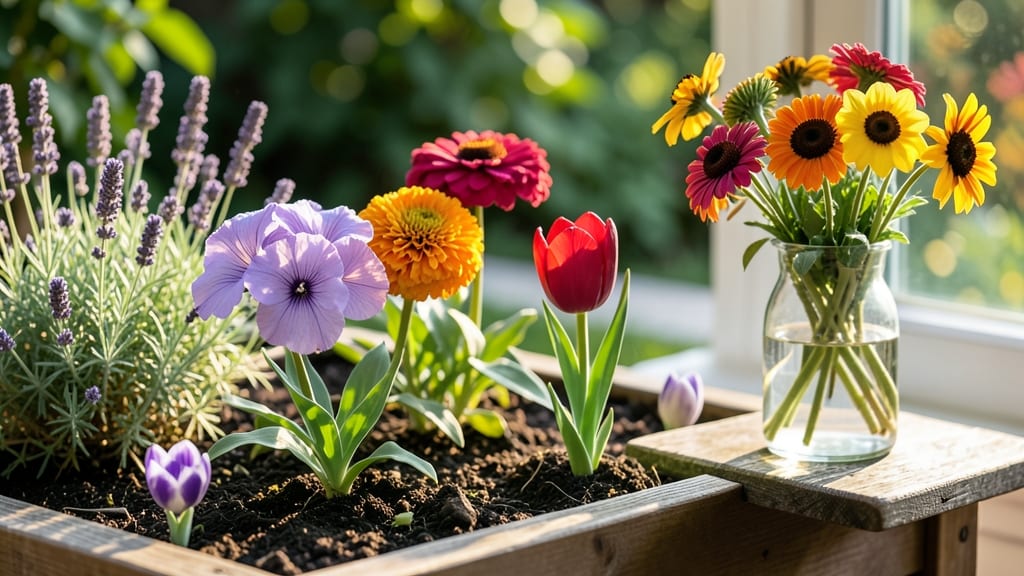
Discovering the different types of flowers 🌸 is like unlocking a palette for your garden—each one brings its own color, fragrance, and seasonal magic to transform even the smallest space.
Picture this: a spring border bursting with tulips and daffodils, summer days filled with vibrant sunflowers and roses, and autumn gardens glowing with chrysanthemums and asters. The right flowers don’t just fill your yard with beauty—they create a living timeline of color and life.
From delicate annuals that bloom all season to hardy perennials that return year after year, understanding these categories helps you design gardens that thrive. Whether you’re chasing pollinators, crafting a romantic cottage look, or simply adding height and texture, the choices shape your outdoor story.
Here, we’ll explore how to mix and match flowers by height, season, and purpose—so you can build a garden that feels like a masterpiece, no matter the time of year.
12 Major flower categories by growth habit and garden use
Understanding flower categories helps you design a garden that thrives year-round. Each type—from annuals to climbing vines—offers unique benefits like seasonal color or low-maintenance beauty. Let’s explore how to use them effectively in your landscape.
I’ve grouped flowers by their growth habits and garden functions, including height ranges, sunlight needs, and best seasonal placements. This ensures you’ll pick the perfect plants for borders, containers, or focal points.
Annuals and perennials are the backbone of most gardens, but bulbs and shrubs add structure and fragrance. Meanwhile, vines and ground covers fill gaps and create vertical interest. Let’s dive into the details!
| Category | Height Range | Sunlight Needs | Seasonal Bloom | Garden Use |
|---|---|---|---|---|
| Annuals | 6"–6 ft | Full sun to partial shade | Spring–Fall | Borders, containers, color bursts |
| Perennials | 1 ft–5 ft | Full sun to shade | Spring–Fall (varies) | Foundation plants, pollinator gardens |
| Bulbs | 3"–2 ft | Full sun to partial shade | Spring (some fall) | Early-season color, woodland gardens |
| Shrubs | 2 ft–10 ft | Full sun to shade | Spring–Fall (evergreens year-round) | Hedges, privacy screens, focal points |
| Climbing Vines | 5 ft–30+ ft | Full sun to partial shade | Spring–Fall | Trellises, arbors, vertical gardens |
| Ground Covers | 1"–12" | Full sun to shade | Spring–Fall (some evergreen) | Borders, slopes, weed suppression |
| Trees | 10 ft–50+ ft | Full sun to shade | Spring–Fall (some year-round) | Shade, specimen plants, large gardens |
| Biennials | 1 ft–4 ft | Full sun to partial shade | Year 1: foliage; Year 2: blooms | Cut flowers, cottage gardens |
| Succulents | 1"–3 ft | Full sun (drought-tolerant) | Spring–Fall (some year-round) | Rock gardens, containers, xeric landscapes |
| Water Plants | 6"–5 ft | Full sun to partial shade | Spring–Fall | Ponds, bog gardens, water features |
| Ornamental Grasses | 1 ft–10 ft | Full sun to partial shade | Year-round (some seasonal) | Textural accents, windbreaks, borders |
| Tropicals | 1 ft–15 ft |
Best seasonal flowers for every climate zoneCreating a garden that thrives year-round starts with selecting seasonal flowers that match your local climate. Whether you're in USDA zones 3-10 or a tropical paradise, each season offers stunning blooms that bring color and life to your outdoor space. The key is choosing flowers that align with your region's temperature extremes and rainfall patterns. For example, spring-blooming bulbs like tulips and daffodils love cooler temperatures, while summer annuals such as zinnias and marigolds thrive in heat. In warmer climates, flowers like hibiscus and bougainvillea keep gardens vibrant even in winter months. Let's explore the best seasonal flowers for each climate zone and how to incorporate them into your garden design. 1
Spring Bloomers (Zones 3-10)Tulips, daffodils, and crocuses thrive in cool spring temperatures. Plant bulbs in fall for early spring color. Ideal for USDA zones 3-8. 2
Summer Annuals (Zones 5-10)Zinnias, sunflowers, and cosmos love warm summer sun. Perfect for containers and borders. Heat-tolerant varieties like lantana work in zones 9-11. 3
Fall Favorites (Zones 4-10)Chrysanthemums and asters shine in cool fall weather. Drought-resistant varieties like sedum add texture. Great for late-season color. 4
Winter Wonder (Zones 7-11)Camellias, hellebores, and winter jasmine offer color in cold months. Evergreen shrubs like boxwood provide structure. Ideal for tropical and mild climates. In USDA zones 3-5, focus on hardy perennials like coneflowers and black-eyed Susans, which return year after year. For warmer zones 9-11, consider tropical flowers such as plumeria and birds of paradise that thrive in heat and humidity. Always check each plant's USDA zone range to ensure it matches your local climate. Layering flowers by height and bloom time creates a dynamic garden. Plant tall flowers like sunflowers at the back, mid-height blooms like roses in the middle, and low-growing annuals like pansies at the front. This arrangement ensures continuous color from early spring to late fall, even in challenging climates. Don’t forget to consider pollinator-friendly flowers like lavender and bee balm. These not only add beauty but also support local ecosystems. With the right seasonal selections, your garden will stay vibrant and full of life throughout the year, no matter where you live. |