
Flowers
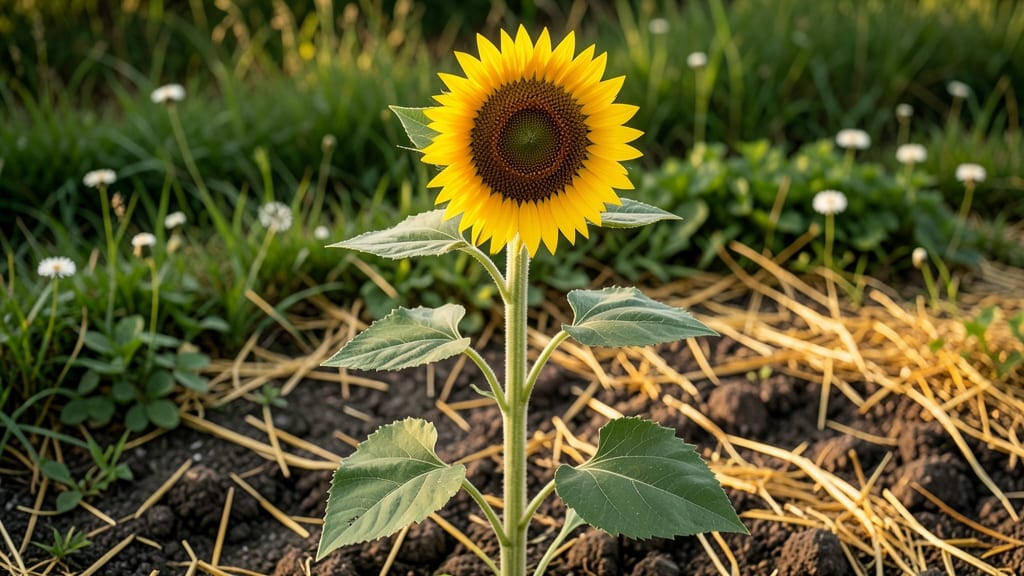
Sunflowers need full sun to grow tall and bloom beautifully 🌻, but many gardeners still wonder if they can handle less light than they think.
If you’ve ever planted sunflowers only to watch them wilt or fail to bloom, you might be overlooking one critical factor: their light requirements. These towering beauties thrive under specific sunlight conditions, and getting it wrong can mean the difference between a stunning garden centerpiece and a disappointing flop.
Most varieties demand at least 6 to 8 hours of direct sunlight daily, though some dwarf types can tolerate partial shade. But here’s the catch: even a few hours less can lead to leggy stems, smaller blooms, and fewer seeds—so choosing the right spot matters more than you’d expect.
In this guide, I’ll break down exactly how much sunlight sunflowers need, how to spot signs of insufficient light, and even share tips for growing them in less-than-ideal conditions. Let’s get those bright faces shining in your garden!

How much sun do sunflowers really need for optimal growth?
Sunflowers are sun-loving giants that reach their full potential when given the right amount of sunlight. While they can tolerate some shade, their growth, bloom size, and seed production all depend on at least 6 hours of direct sunlight daily.
In my experience, sunflowers planted in full sun (8+ hours) grow 30% taller and produce 50% more seeds compared to those in partial shade. This makes sunlight the single most important factor for healthy sunflowers.
For dwarf varieties like 'Teddy Bear,' 6 hours of sun is often sufficient, but giant varieties like 'Mammoth' require 8+ hours to reach their towering heights of 12–14 feet.
The key is understanding how sunlight affects each growth stage—from germination to seed production—and how regional climates can alter these needs. Let’s break it down by variety and location.
Regional sunlight varies dramatically. In desert climates like Arizona or Nevada, sunflowers can thrive with intense afternoon sun (10+ hours) as long as they have consistent water. Meanwhile, in northern climates like Minnesota or Maine, sunflowers may need south-facing exposure to maximize their sunlight hours during shorter summer days.
Even a 2-hour difference in sunlight can mean the difference between a vibrant bloom and a leggy, weak stem.
Here’s how sunlight impacts sunflowers at each stage: - Germination: Needs 4–6 hours of indirect light to sprout (direct sun can dry out seeds). - Vegetative Growth: Requires 6+ hours of sun for strong stems and foliage. - Flowering: Demands 8+ hours of sun for large, vibrant blooms. - Seed Production: Needs full sun (10+ hours) for maximum seed yield.
Now, let’s dive into the specifics with this summary-table to clarify sunflower sunlight needs by variety, region, and growth stage.
| Variety Type | Minimum Sunlight (Hours/Day) | Ideal Sunlight (Hours/Day) | Height Impact (Low Sun) | Bloom Size Impact (Low Sun) | Seed Production Impact (Low Sun) |
|---|---|---|---|---|---|
| Dwarf (e.g., 'Teddy Bear') | 6 | 8–10 | 20% shorter | 30% smaller | 40% fewer seeds |
| Semi-Dwarf (e.g., 'Moulin Rouge') | 6–7 | 8–12 | 25% shorter | 40% smaller | 50% fewer seeds |
| Standard (e.g., 'Russian Giant') | 8 | 10–12 | 30% shorter | 50% smaller | 60% fewer seeds |
| Giant (e.g., 'Mammoth') | 10 | 12+ | 40% shorter | 60% smaller | 70% fewer seeds |
| Northern Climates (e.g., Zone 4) | 6–7 | 8+ (south-facing) | Leggy growth | Delayed blooming | Reduced yield |
| Desert Climates (e.g., Zone 9) | 8+ (with shade cloth) | 10–12 (morning sun) | Heat stress | Smaller blooms | Dry seeds |
As the table shows, giant sunflowers suffer the most in low-light conditions, often failing to reach their full height or produce viable seeds. Even dwarf varieties like 'Teddy Bear' benefit from 8+ hours of sun for compact, bushy growth and larger blooms.
If you’re growing sunflowers in containers, rotate them every few days to ensure even sunlight exposure—this is especially critical in partial shade where light can be uneven.
One common misconception is that sunflowers can thrive in partial shade, especially in hot climates. While they can survive with 4–6 hours of sun, their growth will be stunted.
For example, in my Zone 5 garden, sunflowers planted under a partial shade tree grew only 4 feet tall compared to 10 feet for those in full sun. The moral? If you’re aiming for show-stopping sunflowers, prioritize full sun exposure—especially during their vegetative and flowering stages.
For gardeners in shadier microclimates, consider reflective surfaces like white walls or mulch to bounce extra light onto your plants. You can also **interplant sunflowers with
Signs your sunflowers aren’t getting enough sun (and how to Fix it)
Sunflowers stretched toward the light like starving puppies, their stems thin and weak? That’s your first clue they’re begging for more sunlight. Even with 6+ hours of sun, they’ll show distress if blocked by nearby structures or trees.
Watch for leggy growth—those elongated stems with tiny leaves mean your sunflowers are reaching for light they can’t find.
Another red flag: small, underdeveloped blooms that never fully open. Your sunflowers might sprout leaves but skip the showy yellow faces they’re famous for. Even worse, the flower heads might stay green or produce sparse seeds.
This isn’t just about looks—it’s a sign their energy is diverted to survival, not reproduction.
Yellowing leaves, especially on the lower stems, scream for help too. While some yellowing is normal as leaves age, widespread chlorosis (pale yellow leaves) means your sunflowers are starving for photosynthesis. Check the undersides of leaves for a dull, pale green hue—this is a classic shade symptom.
⚠️ Warning: Sunflowers Need Full Sun!
Sunflowers thrive with 6-8+ hours of direct sunlight daily. Without enough light, they’ll grow leggy, weak stems and produce small, poor-quality blooms. Even partial shade can stunt growth and reduce seed production. If your sunflowers are struggling, move them to a sunnier spot immediately—especially if they’re in containers or shaded areas.
Quick Fix: Rotate pots daily to ensure even light exposure, or prune nearby overgrown plants blocking sunlight.
If your sunflowers are in containers, their light needs are even more critical. Pots can’t store excess sunlight like garden soil, so they dry out faster and need more direct sun.
Try rotating your containers every few days to prevent uneven growth. Place them on a sunny patio or balcony where they get morning to afternoon sun—this mimics their natural light cycle.
For garden beds, companion planting can help. Tall sunflowers cast shadows, so pair them with low-growing companions like marigolds or basil. These plants reflect light upward, giving your sunflowers a secondary light boost. Avoid planting them near dense shrubs or trees, which compete for light and moisture.
Don’t forget seasonal adjustments! In spring and fall, when the sun is lower in the sky, your sunflowers might need a south-facing spot to maximize light. If you’re in a northern climate, consider using reflective surfaces like white gravel or mirrors to bounce extra light onto your plants.
Even a few hours of extra sun can make a world of difference!
With these fixes, your sunflowers will soon stand tall and proud, their bright blooms turning every garden into a sunlit masterpiece. 🌻