
Aphids
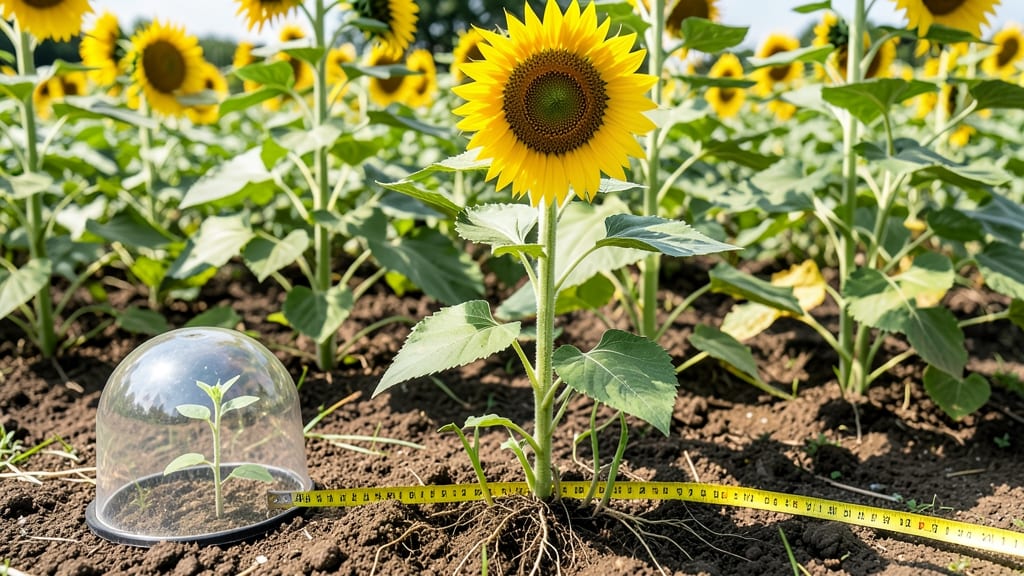
Sunflowers do spread, but not in the way you might think — their growth habits depend on the variety and how you manage them in your garden.
If you’ve ever planted sunflowers and wondered why they seem to take over your garden—or if they even do—you’re not alone. Understanding how sunflowers spread is key to planning a thriving garden without losing control of your space.
Most sunflowers spread through seeds, not roots, which means proper spacing and seed harvesting are the key to keeping them contained. Giant varieties like 'Mammoth' can reach 12 feet tall, while dwarf types stay compact, so choosing the right type for your garden is the first step.
Below, I’ll break down how far sunflowers spread naturally, the best spacing for each type, and simple tricks to control their growth—so you can enjoy their beauty without the chaos.
How far do sunflower roots and stems spread?
Sunflowers primarily spread through their seed production, not aggressive root systems, but their stem spread and root depth vary dramatically by variety. Most sunflowers develop a taproot system, meaning they grow deep roots (up to 3-5 feet) rather than spreading wide like fibrous-rooted plants.
This deep root system helps them access water and nutrients efficiently, but it doesn’t make them invasive in the traditional sense.
However, their stems can spread in unexpected ways, especially in windy conditions. Giant varieties like 'Russian Giant' can develop stems that lean or even flop if not staked, creating a wider footprint than their height suggests.
Dwarf varieties, on the other hand, stay compact with minimal stem spread, making them ideal for small gardens or containers.
The key to managing sunflower spread lies in understanding their growth habits. While their roots don’t spread aggressively, their seeds can easily self-sow, leading to unwanted sunflowers popping up in subsequent seasons. This is where proper spacing and seed harvesting become critical for garden control.
Below is a summary table breaking down how sunflower roots and stems spread by variety, including their mature sizes and space requirements to prevent overcrowding.
Giant sunflowers, like 'Russian Giant', have the most dramatic stem spread due to their height and wind exposure. Their stems can lean up to 2-3 feet from the base, which is why they require 18-24 inches of spacing to avoid overcrowding.
This spacing ensures they have room to grow without competing for sunlight or nutrients.
Dwarf varieties, such as 'Teddy Bear', are the most space-efficient option, with stems rarely exceeding 6-12 inches in diameter. Their compact size makes them perfect for container gardening or small garden plots where space is limited.
Even in these cases, proper spacing (6-12 inches apart) prevents competition and encourages healthier growth.
One common misconception is that sunflowers spread aggressively through their roots. In reality, their root systems are deep but not invasive. The real challenge comes from their seed dispersal, which can lead to unwanted sunflowers popping up in future seasons.
To prevent this, harvest seeds before they mature and fall to the ground, or plant in designated areas where self-seeding is acceptable.
If you’re growing sunflowers in a small garden, consider dwarf varieties or container planting. For larger gardens, giant varieties can be stunning focal points, but they’ll need ample space and support (like stakes or trellises) to prevent their stems from flopping and creating a wider footprint than intended.
Understanding these spread patterns helps you plan your garden layout effectively. Whether you’re growing sunflowers for their beautiful blooms, edible seeds, or as a pollinator magnet, knowing how far their roots and stems spread ensures your garden stays organized and thriving.
Best spacing guidelines for sunflowers by type
Sunflowers don’t spread aggressively like some invasive plants, but their height and seed dispersal can create a crowded garden if not planned properly. The key to controlling their spread lies in proper spacing and choosing the right varieties for your space.
Giant sunflowers need room to avoid shading smaller plants, while dwarf types can thrive in tight spots.
Most sunflowers spread through seeds rather than roots, so preventing self-seeding is the best way to manage their growth. This means harvesting seeds before they drop and spacing plants correctly from the start.
For example, a 6-foot 'Mammoth' sunflower needs at least 2 feet of space in all directions, while a 2-foot dwarf variety can be planted just 12 inches apart.
| Sunflower Type | Recommended Spacing | Notes |
|---|---|---|
| Giant (6-14 ft) | 24-36 inches apart | Needs deep soil and full sun |
| Semi-Dwarf (3-6 ft) | 18-24 inches apart | Great for borders or mixed beds |
| Dwarf (1-3 ft) | 12-18 inches apart | Ideal for containers or small gardens |
| Wild/Volunteer | Remove or thin to 12 inches | Prevents overcrowding and disease |
When planting giant sunflowers, leave extra space—not just for their height but also for their stem diameter, which can reach 2-3 inches. This prevents stems from rubbing together, which can spread diseases like powdery mildew.
For dwarf varieties, closer spacing works because they stay compact and don’t compete for sunlight as aggressively.
Companion planting is another smart strategy to prevent overcrowding. Pair sunflowers with shallow-rooted plants like lettuce or radishes, which won’t compete for nutrients. Avoid planting them near potatoes or tomatoes, as they share similar pests.
If you’re growing sunflowers in containers, use at least a 5-gallon pot per plant for dwarf varieties and a 15-gallon pot for giants.
To further control spread, harvest seeds before they mature and drop. Once the back of the flower head turns brown and seeds rattle inside, it’s time to collect them.
Store seeds in a cool, dry place to save for next year’s garden—or share with friends to avoid unwanted volunteers popping up everywhere.
With the right spacing and care, sunflowers can add stunning height and color to your garden without taking over. Start by choosing varieties that fit your space, then follow the spacing guidelines to keep your garden both beautiful and manageable.