
Watering
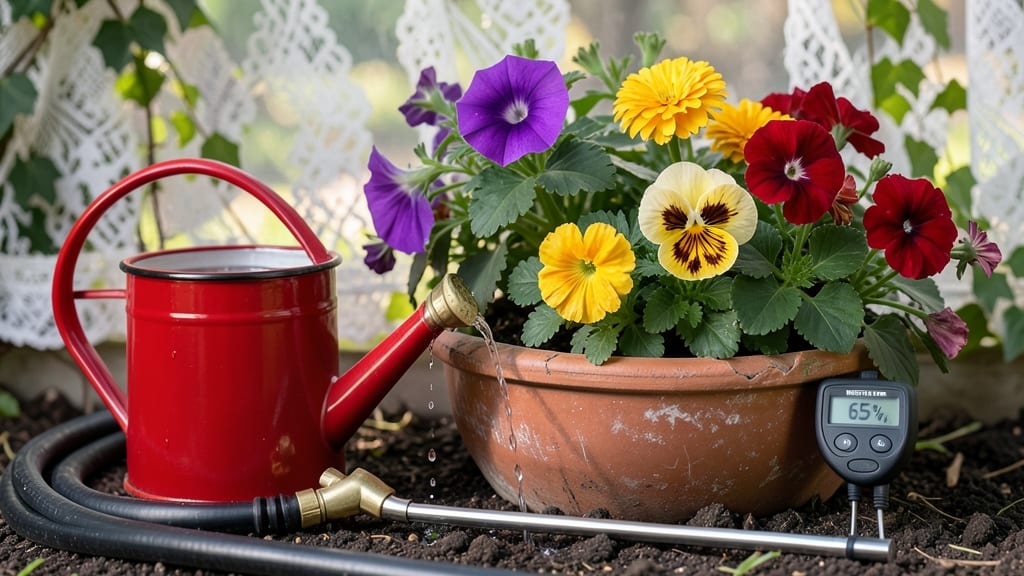
Do you have to water flowers every day? The answer is no—this common habit can actually harm your plants rather than help them thrive.
Overwatering kills more plants than underwatering—and yet, many gardeners assume flowers need daily hydration to survive.
The truth is, most flowers prefer deep, infrequent watering that encourages strong roots, not shallow sips that keep the surface damp. In Zone 6a, where many gardeners plant their spring blooms, a general rule is to water when the top inch of soil feels dry.
Below, I’ll break down how often to water based on your flower type, climate, and soil, plus how to spot when you’re doing it wrong.
How often should you water flowers based on plant type
One of the biggest gardening myths is that all flowers need daily watering to thrive. In reality, most flowers prefer deep, infrequent watering that encourages strong root systems. The key lies in understanding your plants' root depth and drought tolerance.
Annuals like zinnias and petunias typically need more frequent watering than drought-resistant perennials like lavender or black-eyed Susans.
Your local climate zone and soil type also play crucial roles. Sandy soils drain quickly, requiring more frequent watering, while clay holds moisture longer. Before reaching for the hose, check the soil moisture by sticking your finger 1-2 inches deep—if it feels dry, that's your cue to water.
Overwatering is the silent killer of most flowers, causing root rot and fungal diseases.
Below is a breakdown of watering needs by flower type, including popular annuals, perennials, and drought-tolerant varieties. Use this as your guide to create a custom watering schedule that keeps your garden lush without wasting water.
| Flower Type | Watering Frequency | Root Depth | Drought Tolerance | Best Time to Water |
|---|---|---|---|---|
| Annuals (e.g., Marigolds, Petunias, Zinnias) | Every 1-2 days (summer) | 6-12 inches | Low-Medium | Early morning |
| Perennials (e.g., Coneflowers, Daylilies, Black-eyed Susans) | Every 2-3 days (summer) | 12-24 inches | Medium-High | Morning or evening |
| Drought-Tolerant (e.g., Lavender, Sedum, Russian Sage) | Every 5-7 days (summer) | 24+ inches | Very High | Deep watering at base |
| Bulbs (e.g., Dahlias, Tulips, Crocosmia) | Every 3-4 days (active growth) | 6-18 inches | Medium | Early morning |
| Potted Flowers (e.g., Geraniums, Impatiens) | Daily (summer), Every 2 days (spring/fall) | Shallow (3-6 inches) | Low | Evening (avoid midday) |
💧 Pro Tip: Always water at the base of plants, not overhead, to prevent fungal diseases.
For annual flowers like petunias and zinnias, daily watering might seem necessary during peak summer heat, but most can handle every other day if given a deep soak. These plants have shallow root systems, so they dry out faster.
I recommend using a drip irrigation system or soaker hose to deliver water directly to the roots, reducing evaporation and runoff.
Perennials like coneflowers and black-eyed Susans are far more resilient. Once established, they can go 7-10 days without water in most climates. Their deep taproots allow them to access moisture from lower soil layers.
Focus on watering deeply during their first growing season to encourage strong root development for future drought resistance.
If you're growing drought-tolerant flowers like lavender or sedum, you’ll love how little they need. These plants thrive on infrequent, deep watering—sometimes as little as once every 5-7 days in summer. Overwatering them is the real danger, as it leads to root rot.
Always check the soil before watering; if it's still moist, skip it. Mulching around these plants helps retain moisture while keeping roots cool.
Potted flowers deserve special attention because their limited soil volume dries out much faster than in-ground plants. In summer, I water my potted geraniums and impatiens daily, but I use self-watering pots to make it easier.
For containers, always ensure they have drainage holes to prevent soggy soil. Grouping pots together also creates a microclimate that reduces rapid moisture loss.
One of the biggest mistakes gardeners make is watering based on a one-size-fits-all schedule. Instead, adjust your routine based on weather conditions, seasonal changes, and even the time of day.
Watering in the early morning (before 10 AM) is ideal because it gives foliage time to dry, reducing fungal risks. Avoid evening watering, as wet leaves overnight can lead to powdery mildew and other diseases.
To make watering easier, invest in a soil moisture meter or simply use the finger test. Stick your
5 Signs you're watering flowers wrong (and how to fix it)
Even well-meaning gardeners often fall into the trap of overwatering flowers, thinking they need daily hydration like thirsty houseplants. The reality? Most blooms prefer deep, infrequent watering that encourages strong root systems. I’ve seen wilting petunias and moldy marigolds from watering mistakes—don’t let that happen to your garden!
Before you grab the hose, check these 5 common watering errors and how to reverse them. The key is soil moisture balance—neither soggy nor bone-dry. Let’s start with the most critical red flags that scream, “I’m drowning my flowers!”
⚠️ You DON’T Have to Water Flowers Everyday!
Daily watering is a common myth that leads to root rot and fungal diseases. Instead, aim for deep watering 2-3 times per week (adjust for heat/drought). Test your soil: Stick your finger 1-2 inches deep—if it’s dry, water; if damp, wait. Potted flowers dry faster than in-ground plants!
Yellowing leaves aren’t always about nutrients—they’re often a watering warning sign. If older leaves turn yellow while new growth stays green, you’re likely overwatering. This forces roots to suffocate in saturated soil. Fix it by letting the top 2 inches dry out between waterings and improving drainage with perlite or sand.
Mushy stems or blackened bases are emergency signals of root rot, a silent killer caused by excess moisture. If you spot these, stop watering immediately and repot in fresh, dry soil. For severe cases, trim away mushy roots with sterilized scissors and treat with fungicide. Prevention? Use well-draining pots and mulch to regulate moisture.
On the flip side, wilting in the heat doesn’t always mean thirst—it could signal underwatering or overwatering. Press a leaf: If it’s soft and limp, water deeply. If it’s crispy and dry, your plant is stressed from drought.
Group wilting flowers by type: Succulents (like snapdragons) need less water, while impatiens crave consistent moisture. Adjust your schedule accordingly!
Mold or white fuzz on soil isn’t just unsightly—it’s a fungus party thriving on excess moisture. This often happens when water pools on leaves or mulch. Fix it by watering at the base, not overhead, and removing infected mulch. For stubborn mold, sprinkle diatomaceous earth or baking soda solution (1 tsp per gallon) around the base.
Stunted growth or fewer blooms? Your flowers might be thirsty or drowning. Most blooms need 1-1.5 inches of water per week, but drought-tolerant varieties (like lavender) thrive on half that. Use a rain gauge or tuna can to measure—eyeballing leads to guesswork. And remember: Morning watering reduces evaporation and prevents fungal spores from spreading overnight.