
Flowers
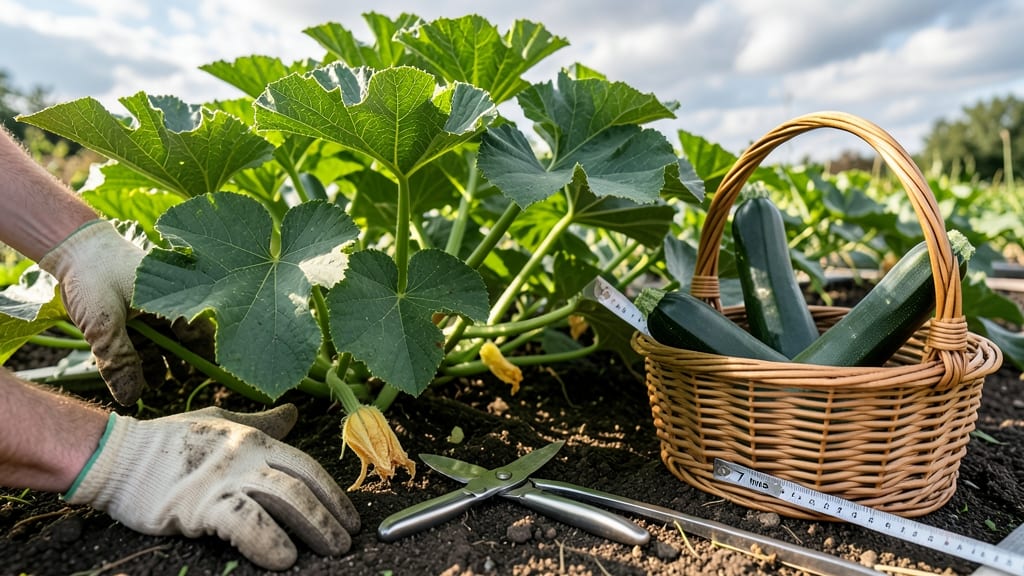
You should pick zucchini 🎃 when the flower falls off, as this signals the fruit is nearing its ideal harvest size.
If you’ve ever spotted a wilted zucchini flower in your garden and wondered whether to harvest the fruit underneath, you’re not alone. That fallen bloom isn’t just a sign of overripe fruit—it’s your plant’s way of telling you it’s time to act.
Ignoring it could mean missing the perfect harvest window or dealing with oversized, seedy zucchinis that lose their tender flavor.
Harvesting at the right moment ensures your zucchini stays sweet and tender, with fewer seeds. The key is to act quickly after the flower drops, as the fruit grows rapidly once pollination occurs.
Waiting too long can lead to tough skin and bitter taste, which is why timing is everything in the garden.
In this guide, I’ll walk you through how to spot the perfect zucchini for picking, how often to harvest to encourage more production, and what to do if you miss the window. You’ll also learn how to keep your zucchini plants healthy and productive all season long.
What a fallen zucchini flower really means (and when to harvest
A fallen zucchini flower isn’t just a sign of nature’s cycle—it’s your plant’s way of saying, "‘It’s time to harvest!’" This happens when the female flower (the one with a tiny zucchini at its base) gets pollinated and drops off.
The flower’s job is done, but the fruit below is now ready for picking—or close to it.
If you ignore this signal, your zucchini will keep growing, often becoming oversized, seedy, and tough. The good news? A dropped flower usually means the fruit is ripe but not overripe, as long as you check a few key details before harvesting.
Let’s break down what to look for.
First, check the size of your zucchini. The ideal harvest window is when it’s 6-8 inches long. At this stage, the fruit is tender, sweet, and perfect for grilling or spiralizing.
If the flower fell off but the zucchini is still small (under 6 inches), give it a few more days—it’s not quite ready.
Next, examine the skin texture. A ripe zucchini should have a smooth, glossy surface. If the skin looks dull or feels slightly rough, it’s starting to overripe. Overripe zucchinis develop a woody texture and large, mature seeds, which can make them bitter or tough to eat.
Look inside the blossom end (the end opposite the stem) for clues. If you see small, soft seeds, your zucchini is still edible but getting closer to the overripe stage.
However, if the seeds are large, hard, and dark, the fruit has passed its prime. These zucchinis are best used for baking, roasting, or seed saving rather than fresh eating.
Don’t forget to twist gently at the stem when harvesting. This prevents damage to the plant and encourages more flowers—and more zucchinis—to form. If the stem snaps easily, it’s a good sign the fruit is ready. If it resists, wait another day or two.
If you’ve missed the window and your zucchini is now oversized or seedy, don’t toss it! Overripe zucchinis can still be used in bread, fritters, or soups, where their texture holds up better.
You can also save seeds from healthy, mature zucchinis for next year’s garden—just let them fully ripen on the vine first.
Finally, keep an eye on your plant’s flower production. If you’re seeing more flowers falling off than usual, it could signal overproduction or stress.
In this case, harvest frequently to encourage the plant to keep blooming. Regular harvesting is the key to a bountiful, continuous zucchini harvest all season long.
Remember, a fallen zucchini flower is a harvest cue, not a warning. By paying attention to size, skin texture, and seed development, you’ll always know when to pick your zucchinis at their peak—ensuring a delicious, homegrown harvest every time. 🌱
How to maximize your zucchini harvest: 3 key tips for flower management
When that female zucchini flower falls off, it’s your plant’s way of saying, "Pick me now!" The fruit beneath is typically at its peak harvest size—usually 6-8 inches long—and ready for the kitchen.
But don’t panic if you miss this window; there are still ways to salvage the harvest and keep your plant productive. The key is understanding why flowers drop and how to manage them proactively.
Flower drop often happens when pollination fails or the zucchini grows too large for the plant’s energy to support. Female flowers (the ones with tiny zucchinis at their base) are more prone to dropping if not harvested promptly.
By acting fast, you encourage the plant to produce more flowers and fruit, leading to a bountiful harvest. Let’s dive into three actionable tips to manage your zucchini flowers like a pro.
3 Critical Steps for Zucchini Flower Management
-
1. Harvest Immediately After Flower Drop
Pick zucchini within 1-2 days of the flower falling to avoid overgrowth. Use a sharp knife to cut the stem, leaving a small portion attached to prevent rot. -
2. Hand-Pollinate for Better Fruit Set
If flowers drop frequently, use a soft paintbrush to transfer pollen from male flowers (no zucchini) to female flowers (with zucchini) in the morning when they’re open. -
3. Thin Overripe Zucchinis for Plant Health
If a zucchini grows past 8 inches, remove it to redirect the plant’s energy. Overripe zucchinis can attract pests and reduce future flower production.
Proper watering techniques also play a huge role in preventing flower drop. Zucchini plants need consistent moisture, especially during hot weather, but avoid overwatering, which can lead to blossom-end rot or root rot.
Water deeply in the morning to keep the soil evenly moist but not soggy. Mulching around the base of the plant helps retain moisture and keeps roots cool, reducing stress on the plant.
If you’ve already missed the ideal harvest window and your zucchini has grown too large, don’t toss it! Overripe zucchinis can still be used for bread, muffins, or pickling, where their slightly tough texture adds depth of flavor.
Alternatively, save the seeds for next year’s garden or compost the fruit to enrich your soil. Every part of the plant has a purpose, even the "missed" harvests.
Finally, keep an eye on your plant’s overall health and vigor. Yellowing leaves, stunted growth, or excessive flower drop can signal nutrient deficiencies or pest issues. A balanced fertilizer with 10-10-10 NPK applied every 4-6 weeks during the growing season can help maintain strong, productive plants.
Regularly inspect leaves for signs of aphids or squash vine borers, and address issues promptly to protect your harvest.
By mastering these flower management tips, you’ll turn your zucchini plant into a high-yielding machine, ensuring a steady supply of tender, flavorful fruit all season long. Happy harvesting! 🌱