
Flowers
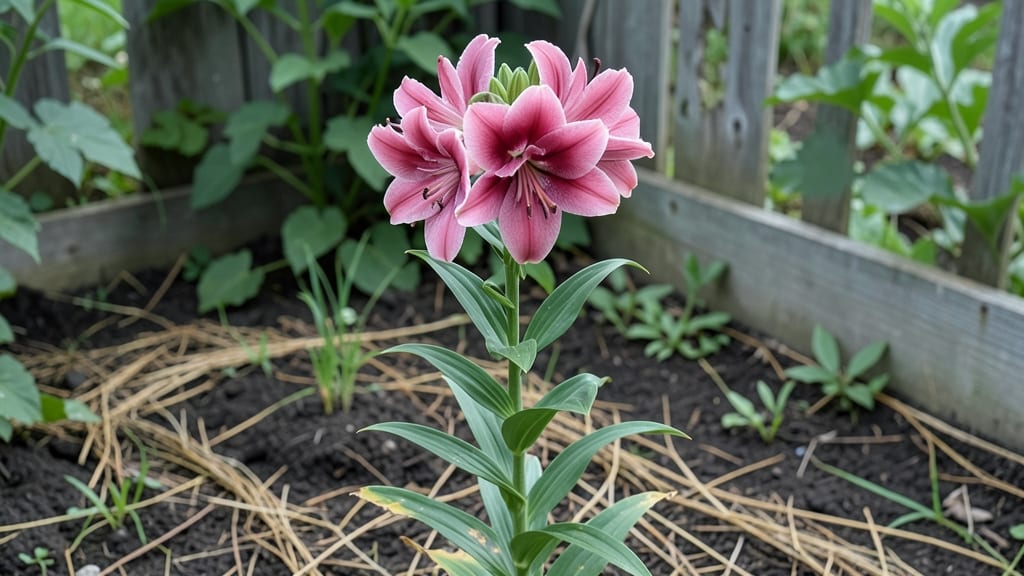
Double flowered lilies 🌸 transform gardens into living art galleries with their layered, velvety petals—but growing them right means avoiding common pitfalls that leave you with flops instead of showstoppers.
Imagine a garden bursting with lush, layered blooms that look like nature’s own bouquets—double flowered lilies bring that dream to life with their dramatic, multi-layered petals. But not all varieties thrive equally, and growing them requires a few key secrets to ensure year-after-year splendor.
If you’re in USDA Zone 6a, timing matters: plant bulbs between March and April, when the soil warms but the last frost has passed. Too early, and they’ll rot; too late, and you’ll miss the mid-summer blooms that make these flowers worth the wait.
In this guide, I’ll walk you through soil prep, sunlight tricks, and the fertilizing schedule that keeps your lilies blooming bigger and brighter—plus how to spot (and stop) the pests that love them most.
Top 10 double flowered lily varieties for your garden
Double flowered lilies transform your garden into a romantic floral display with their ruffled, layered petals that resemble peonies or roses. These showstopper blooms come in every color except true blue, making them perfect for cut flower arrangements or bold garden statements.
But with so many varieties, how do you choose? Let’s explore the top 10 double flowered lilies that will steal the show in your landscape.
Whether you crave vibrant pinks, deep purples, or creamy whites, these varieties offer unique heights, fragrances, and hardiness to suit every garden style. From compact varieties for containers to towering giants for borders, there’s a double lily for every space.
Let’s dive into the best performers that gardeners swear by.
| Variety | Color | Bloom Size | Height (ft) | Hardiness Zones | Fragrance | Unique Feature |
|---|---|---|---|---|---|---|
| 'Black Out' | Deep maroon-black | 6-8 inches | 3-4 | 3-9 | Strong | Velvety petals |
| 'Casa Blanca' | Pure white | 7-9 inches | 3-4 | 4-9 | Sweet | Long vase life |
| 'Stargazer' | Pink with yellow throat | 8-10 inches | 3-5 | 3-9 | Powerful | Classic favorite |
| 'Pink Perfection' | Soft pink | 6-8 inches | 2-3 | 4-9 | Light | Compact for borders |
| 'Purple Fox' | Deep purple | 7-9 inches | 3-4 | 3-9 | Strong | Disease resistant |
| 'Lemonade' | Bright yellow | 6-8 inches | 2-3 | 4-9 | Mild | Cheerful color |
| 'Red Beauty' | Scarlet red |
Step-by-step guide to planting and caring for double flowered liliesDouble flowered lilies are the showstoppers of any garden, offering rich, layered blooms that resemble peonies or roses. Unlike their single-flowered cousins, these varieties require extra care to support their heavier blooms. The key to success lies in well-draining soil, consistent moisture, and proper sunlight exposure—all of which I’ll break down in this step-by-step guide. Whether you’re a seasoned gardener or a beginner, these double flowered lilies reward patience with vibrant, long-lasting blooms. The secret? Mimicking their natural habitat—fertile, slightly acidic soil and full sun exposure. Let’s dive into the exact steps to plant and care for them like a pro. Planting Double Flowered Lilies
Once your double flowered lilies are planted, their care routine is simpler than you might think. Watering consistency is critical—these beauties need 1 inch of water weekly, but adjust in hot climates or during drought periods. Always water at the base of the plant to avoid fungal issues on the blooms. Feed your lilies with a balanced fertilizer (10-10-10) in early spring and again when buds form. Stop fertilizing in late summer to prepare them for dormancy. Deadhead spent blooms to encourage more flowers and prevent seed production, which can weaken the plant. In fall or early winter, reduce watering as the foliage yellows and dies back. This dormant period is essential—they’ll rebloom beautifully next season if given this rest. Mulch around the base with 2-3 inches of organic mulch to insulate roots during cold months. With these steps, your double flowered lilies will thrive for years to come, gracing your garden with romantic, peony-like blooms that turn heads every summer. Happy planting! 🌸 |