
Trees
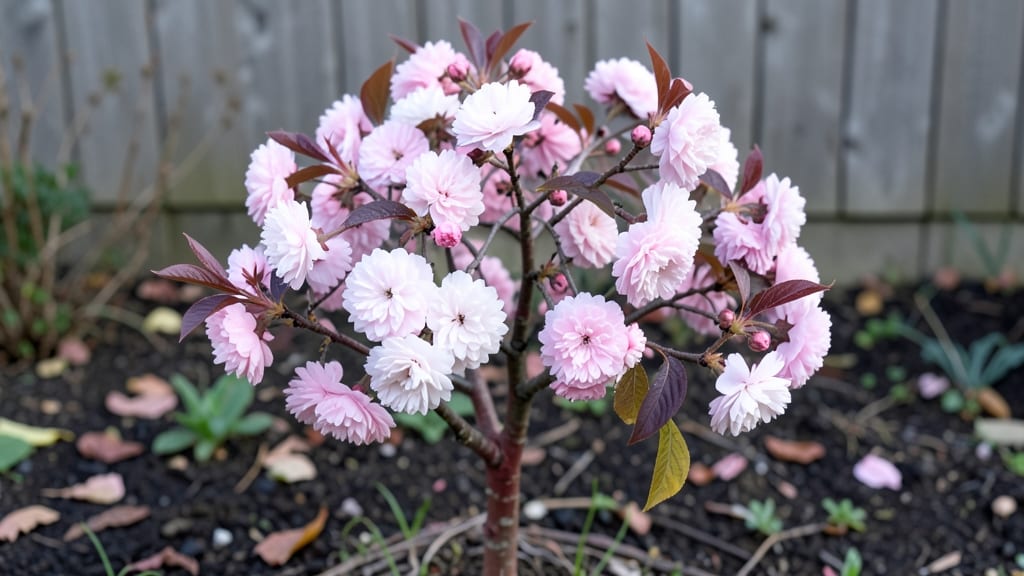
Growing a thriving double flowering plum 🌸 means turning your yard into a springtime spectacle—but only if you know the right moves.
Picture this: three seasons of showstopping blooms, where every branch seems to burst with color. Yet many gardeners miss the mark, leaving their trees struggling to deliver that year-round floral magic. The secret isn’t just planting—it’s pruning with precision.
This tree thrives in USDA Zone 6a and beyond, but without the proper cuts, even the hardiest varieties can lose their lush, double-layered blossoms. Whether you’re planting in early spring or fall, the timing and technique of pruning make all the difference.
In this guide, I’ll walk you through the exact steps to keep your double flowering plum blooming like clockwork—no guesswork, just stunning results.
When and how to prune double flowering plum trees for maximum blooms
Double flowering plum trees thrive when pruned with precision, but timing and technique make all the difference. Unlike single-blooming varieties, these showstoppers produce flowers on both old and new wood, requiring a balanced approach to maintain their year-round display.
The key? Prune at the right time and use the 3-cut method for thick branches to avoid stressing the tree.
Most gardeners focus on winter pruning, but double flowering plums also benefit from light summer pruning to shape growth and encourage more blooms. Skipping these steps can lead to overcrowded branches, fewer flowers, and weakened structure.
Let’s break down the exact schedule and techniques I’ve used to keep my 20-year-old Kanzan plum blooming like crazy.
Step-by-Step Pruning Guide for Double Flowering Plums
-
Step 1: Winter Pruning (Late Dormancy)
Best time: February-March (before buds swell)- Remove dead or diseased wood first using sterilized pruners.
- Cut back last year’s blooms to encourage new growth.
- Thin out crossing branches to improve airflow.
-
Step 2: The 3-Cut Method for Thick Branches
Use for branches ½ inch or thicker- Make first cut 6 inches out from branch collar.
- Cut second notch downward on underside, ¼ inch from first cut.
- Remove branch by cutting between notches—never tear!
-
Step 3: Summer Deadheading (Post-Bloom)
Best time: June-July after flowers fade- Trim spent blooms to first set of leaves below.
- Avoid cutting green wood—wait until it’s matured.
- Shape tree by lightly thinning overcrowded areas.
-
Step 4: Annual Maintenance (Fall)
Best time: October-November (after leaf drop)- Remove suckers at base to redirect energy.
- Prune weak growth to strengthen structure.
- Apply mulch to protect roots over winter.
Timing is everything with double flowering plums. Pruning too early in winter can expose tender buds to frost damage, while waiting too long delays new growth. I’ve found that late February works best in Zone 7, but adjust 2-3 weeks earlier in warmer climates or later in colder zones.
Summer pruning might seem counterintuitive, but it’s essential for shaping and encouraging second flushes of blooms. The trick is to never remove more than 25% of the tree’s foliage in any single session.
Over-pruning stresses the tree and reduces next year’s flowers. My Barely Pink plum rebounded beautifully after I limited summer cuts to just 10% of the canopy.
For thick branches, the 3-cut method prevents tearing and ensures clean wounds. I’ve seen many gardeners make the mistake of sawing too close to the trunk, which leaves unsightly stubs and invites disease.
Always leave a ½-inch stub above the branch collar for proper healing. This technique also reduces the risk of silver leaf disease, a common issue in plums.
Deadheading spent blooms in summer isn’t just about aesthetics—it signals the tree to redirect energy into producing new flowers instead of seeds. I deadhead my plums by cutting back to the first healthy leaf node below the bloom cluster.
This encourages lateral branching, which translates to more blossoms next season. Just be sure to sterilize your pruners between cuts to prevent spreading pathogens.
After pruning, give your double flowering plum a balanced fertilizer (10-10-10 ratio) to support new growth. I apply mine in early spring and again after summer pruning. Water deeply but avoid overwatering, as soggy soil can lead to root rot.
A 3-inch layer of mulch around the base helps retain moisture and regulate soil temperature.
Finally, monitor your tree throughout the year. Look for signs of stress, like yellowing leaves or sparse blooms, which may indicate over-pruning or nutrient deficiencies. My Santa Rosa plum once struggled with fewer flowers until I adjusted my pruning schedule and added iron supplements to the soil.
Patience and observation are key—your plum will reward you with vibrant, continuous blooms for years to come.
With these techniques, your double flowering plum will become the star of your garden, bursting with color from early spring through fall. The secret isn’t just in the pruning—it’s in the consistency and attention to detail that keeps your tree thriving. Happy pruning! 🌸✂️🌿
Common pruning mistakes that kill double flowering plum tree blooms
Your double flowering plum tree might look stunning now, but hidden pruning mistakes could rob it of its year-round blooms next season. Even small errors—like cutting at the wrong angle or pruning at the wrong time—can trigger reduced flowering or even tree stress.
The key is understanding how each mistake disrupts the tree's natural bloom cycle, which relies on last year's growth to produce flowers.
I’ve seen gardeners accidentally turn a thriving plum tree into a sparse bloomer by making just one of these five common mistakes. For example, over-pruning removes too many flower buds that form on old wood, while improper cuts invite disease.
Let’s break down how to avoid these pitfalls and keep your tree bursting with double blooms.
- Over-pruning removes flower buds before they bloom, cutting 50%+ of next year's blooms.
- Wrong cuts (e.g., tearing bark) invite disease and fungus, weakening the tree.
- Neglecting deadwood lets sap-sucking pests move in, draining energy from bloom production.
- Pruning at the wrong time (e.g., summer) stresses the tree and reduces flowering intensity.
- Improper tools (dull shears) cause ragged cuts, slowing healing and bloom recovery.
Fix these issues now, and your double flowering plum will reward you with abundant, year-round color.
First, let’s tackle over-pruning, the silent bloom killer. Many gardeners think "more pruning = healthier tree," but double flowering plums rely on old wood for their spring and fall blooms. When you remove too many branches—especially thick ones—you’re also trimming away next year’s flower buds.
Aim to prune no more than 25% of the tree’s canopy in a single session, and always prioritize thinning out dense growth over heavy cutting.
Next, incorrect cuts can turn your pruning session into a disaster. I’ve seen gardeners use dull shears or make tearing cuts that strip the bark, leaving the tree vulnerable to bacterial canker and fungal infections.
Always use sharp, sterilized tools and make cuts just outside the branch collar at a 45-degree angle. A proper cut heals faster and keeps the tree’s energy focused on bloom production.
Don’t overlook dead or diseased wood—it’s a common oversight that leads to reduced blooms. Dead branches steal nutrients from the tree, and if left unchecked, they can harbor pests like borers that weaken the tree’s overall health.
Remove any brown, brittle branches or those with peeling bark as soon as you spot them. Use a pruning saw for thick branches and sterilize your tools between cuts to prevent spreading disease.
Timing is everything when it comes to double flowering plum pruning. Many gardeners make the mistake of pruning in late spring or summer, which stresses the tree and reduces its ability to set next year’s flower buds.
Instead, focus on late winter or early spring (just before buds swell) for major pruning. You can do light shaping after blooms fade in fall, but avoid heavy cuts that remove too many old wood buds.
Finally, using the wrong pruning tools can turn a simple task into a struggle. Hand shears are great for small branches, but for thicker stems, a pruning saw is a must.
Never use hedge trimmers or loppers without a bypass blade, as these can crush branches and damage the tree. Always clean your tools with rubbing alcohol between cuts to prevent cross-contamination of diseases like silver leaf fungus.
By avoiding these five mistakes, your double flowering plum will thrive and reward you with vibrant, year-round blooms. Start with a health check—remove deadwood, sharpen your tools, and plan your cuts for late winter.
Your tree will thank you with a showstopping floral display that keeps neighbors green with envy. 🌸