
Blooming
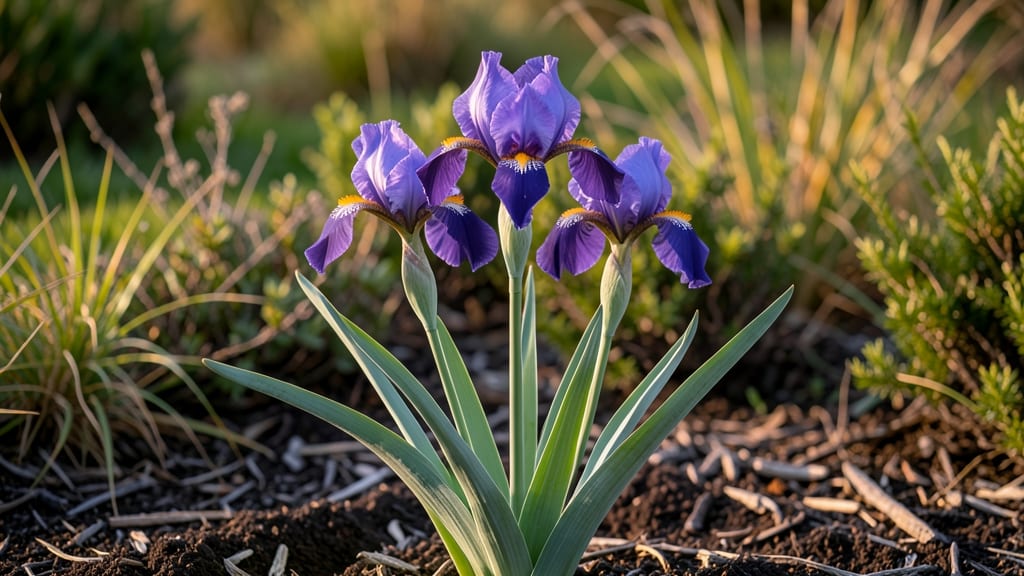
Dutch iris flowering time by USDA climate zones: exact months to expect blooms
Timing your Dutch iris blooms is like planning a garden party—you want to know exactly when your guests (the flowers) will arrive! Dutch irises thrive in USDA zones 3-10, but their flowering windows vary dramatically depending on where you live.
In cooler zones (3-5), expect vibrant blooms in late spring to early summer, while warmer zones (8-10) enjoy flowers as early as winter or early spring. Understanding these patterns helps you plan your garden layout and enjoy their bold, showy blooms at their peak.
Microclimates—like urban heat islands or coastal breezes—can shift bloom times by 2-4 weeks. For example, a Zone 7 garden in Atlanta might see flowers in April-May, while a Zone 7 garden near the coast could bloom as early as March.
Pay attention to your local frost dates and soil temperatures, as these are the real triggers for Dutch iris growth. The key is planting rhizomes in fall (September-October) or early spring to ensure they get the 12-16 weeks of chill hours they need to bloom reliably.
🌸
In Zones 3-4, Dutch irises bloom later because they need more time to break dormancy. Plant rhizomes in late summer or fall to give them a head start.
The 12-16 weeks of chill hours these zones provide align perfectly with their natural cycle, ensuring robust blooms in late May or early June. If you're in a microclimate with early warming—like a south-facing slope—you might see flowers 2-3 weeks earlier.
Conversely, shady spots or high-altitude gardens can delay blooms by 1-2 weeks.
For Zones 5-6, the sweet spot for Dutch iris blooms is mid-May to early June. These zones benefit from planting in either fall or early spring, giving you flexibility. If you plant in March, expect blooms 2-3 weeks earlier than fall-planted rhizomes.
Coastal gardens in these zones often bloom 3 weeks ahead of inland areas due to milder winters. To encourage earlier blooms, mulch heavily in late fall to protect rhizomes from temperature swings.
Gardeners in Zones 7-8 enjoy Dutch iris blooms as early as April, with peak season stretching into early May. The key here is planting in October-November for fall blooms or February for spring blooms.
In desert climates, where soil warms quickly, blooms may arrive 1 week later than coastal areas. To combat this, plant rhizomes deeper (5-6 inches) and water deeply after planting to encourage root establishment before heat sets in.
If you live in Zones 9-10, you're in luck—Dutch irises often bloom in winter or early spring, adding color to your garden when few other plants are active. Plant rhizomes in November-December for winter blooms or January for spring blooms.
High-elevation gardens in these zones may see blooms 2 weeks later than sea-level areas. To extend your bloom season, plant multiple batches of rhizomes at 4-week intervals for a continuous display.
No matter your zone, Dutch irises reward patience and preparation. After blooming, never cut back foliage until it yellows—this ensures next year's flowers get the energy they need. For Zones 3-5
How to predict your Dutch iris blooming window using planting date & chill hours
Predicting when your Dutch iris will bloom isn't guesswork—it's science! These stunning flowers need chill hours (12-16 weeks below 50°F) to trigger blooms. By tracking your planting date and local soil temps, you can pinpoint their flowering window with precision. Let me walk you through my foolproof method.
First, note that Dutch irises are planted as rhizomes (not bulbs) in fall (September-October) or early spring (March-April). The key to timing lies in understanding how cold exposure kickstarts their growth.
Warmer climates (like USDA Zone 9) may need spring planting, while cooler zones (like Zone 5) thrive with fall planting.
Fall planting (Sep-Oct) = blooms next spring. Spring planting (Mar-Apr) = blooms same year.
Dutch irises need 12-16 weeks below 50°F. Use a soil thermometer or local weather data.
Add 10-12 weeks to chill completion date = estimated bloom time.
Zone 5: Bloom May-June. Zone 9: Bloom Feb-Mar. Warmer zones may need earlier planting.
For example, if you plant in October and your area hits 12 weeks of chill by January 15, add 10 weeks to estimate blooms around March 25. Pro tip: Use a garden journal to track temps and adjust future plantings for earlier or later blooms.
Want to force earlier blooms? Try planting in late summer (August) for a winter chill followed by spring warmth. Conversely, delay blooms by planting in late spring—just ensure they get their required chill hours before summer heat arrives.
Remember, soil temperature (not air temp) is critical. A soil thermometer ($15 at garden centers) ensures accuracy. If your soil stays above 50°F for too long, blooms may be delayed or skipped. Mulch with straw in fall to regulate temps and encourage consistent growth.
Once you master this method, you'll have Dutch iris blooms on demand—whether you're aiming for spring color or extending your garden's season. Happy planting! 🌸