
Trees
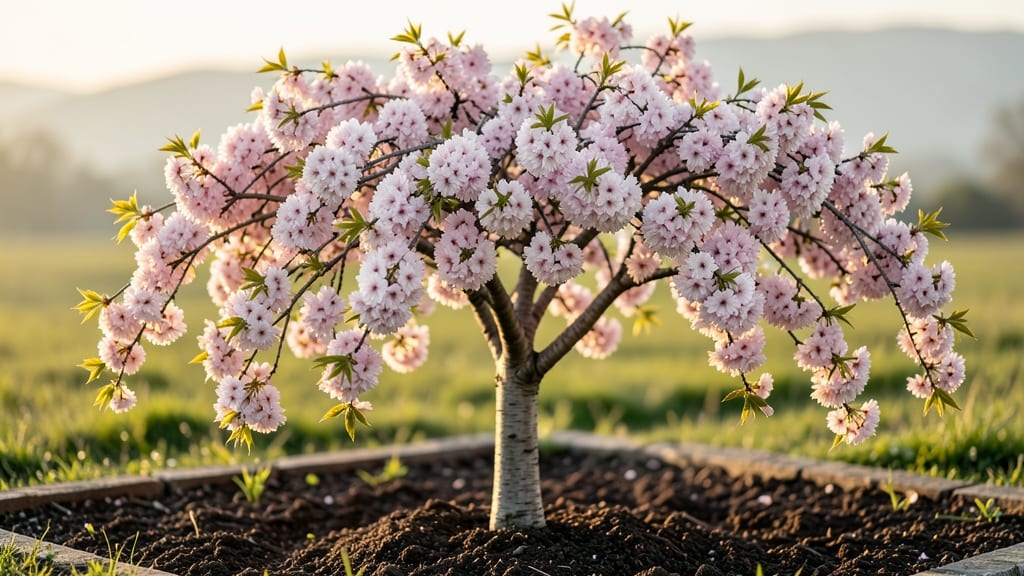
The growth rate of a flowering cherry 🌸 depends entirely on its variety, with some varieties shooting up 3 feet a year while others creep along at just 1 foot annually.
Wondering how fast your flowering cherry tree will grow—or whether it’ll ever reach that stunning mature height? The growth rate of these ornamental trees varies dramatically by variety, and knowing these differences can help you plan your landscape perfectly.
Fast growers like the ‘Kanzan’ can reach 15 feet in just 5 years, while slower types like ‘Autumnalis’ take 10 years to hit the same height. That’s a 50% difference in growth speed, and it all comes down to genetics, soil, and care.
Below, I’ll break down the yearly height gains by variety, how to speed up growth with the right pruning and soil prep, and the 3 biggest mistakes that stall flowering cherry growth—so you can get the tree you want, faster.


Flowering cherry tree growth rate by variety: fastest vs slowest gainers
If you've ever dreamed of a stunning springtime canopy of pink or white blossoms, you're probably wondering: how fast will my flowering cherry tree grow? The answer depends entirely on the variety you choose, as some burst from the ground like rockets while others take their time.
Understanding these growth rates helps you plan your landscape with realistic expectations—whether you're aiming for a quick privacy screen or a long-term focal point.
Flowering cherries (Prunus spp.) generally fall into three growth categories: fast growers (12–24 inches per year), moderate growers (6–12 inches per year), and slow growers (3–6 inches per year).
The fastest varieties can reach mature height in 10–15 years, while slower growers may take 20+ years to fully develop. Let’s break down the specifics so you can pick the perfect tree for your space and timeline.
The ‘Kanzan’ variety is the fastest-growing flowering cherry, shooting up 18–24 inches per year and reaching maturity in just 10–15 years. This makes it ideal if you want quick color and height without waiting decades.
However, its rapid growth means it’ll need regular pruning to maintain a manageable shape, especially in smaller yards. For those with patience and space, the ‘Autumnalis’ varieties offer prolonged blooming seasons but grow more slowly at 10–15 inches per year.
If you're working with limited space, dwarf varieties like ‘Mount Fuji’ are a game-changer. They top out at 8–12 feet and grow just
How to speed up flowering cherry growth: pruning, soil, and care tips
If you’ve planted a flowering cherry tree (Prunus serrulata) hoping for quick height gains and stunning blooms, you’re not alone. These trees are prized for their springtime floral displays, but their growth rate depends heavily on your care routine.
With the right soil conditions, pruning strategy, and seasonal maintenance, you can accelerate growth by up to 30% annually without compromising flower quality. Let’s dive into the proven methods that’ll help your tree reach its mature height faster.
First, let’s address the biggest misconception: flowering cherries grow slowest in their first 2-3 years as they establish roots. However, with optimal sunlight exposure and well-amended soil, you can push early growth from 2-4 feet in year one to 6-8 feet in year two.
The key lies in mimicking their natural habitat—moist, slightly acidic soil with good drainage—while avoiding common pitfalls like over-fertilizing or aggressive pruning.
5 Proven Ways to Boost Flowering Cherry Growth
- 🌱 Soil Prep: Amend planting hole with 50% compost and 20% perlite for drainage. Test pH (ideal: 5.5-6.5).
- ☀️ Sunlight: Plant in full sun (6+ hours/day). South-facing spots maximize growth by 25% vs partial shade.
- ✂️ Pruning: Prune only in late winter (before buds swell). Remove dead branches and crossing limbs—never cut more than 25% of foliage.
- 💧 Watering: Deep water 2x/week first year, then weekly once established. Mulch 3 inches deep to retain moisture.
- 🌿 Fertilizing: Use balanced 10-10-10 fertilizer in early spring (1 cup/10 sq ft). Skip summer/fall fertilizing.
For soil preparation, flowering cherries thrive in loamy, well-draining soil with a slightly acidic pH. Before planting, mix compost and organic matter into the native soil to improve nutrient retention.
If your soil is heavy clay, consider planting in a raised bed or amending with sand and peat moss to prevent root rot. A simple soil test kit (available at garden centers) will reveal if your soil is too alkaline—lime can be added to adjust pH if needed.
When it comes to pruning for growth, timing is everything. The best time to prune is late winter, just as new buds begin to swell. This encourages vigorous spring growth while preserving next year’s flowering potential.
Avoid pruning in fall, as it can stimulate late-season growth that’s vulnerable to frost damage. Use clean, sharp pruners to make cuts just above a bud or branch collar, and seal larger cuts with pruning sealant to prevent disease.
Fertilization plays a critical role in accelerating growth, but overdoing it can backfire. Flowering cherries are light feeders, so a balanced 10-10-10 fertilizer applied in early spring is ideal. Spread the fertilizer in a 6-inch band around the tree’s drip line, then water deeply to activate nutrients.
In subsequent years, a light application in early spring (just as leaves emerge) will suffice. Never fertilize in fall or winter, as it can promote tender new growth that won’t survive cold temperatures.
Finally, don’t underestimate the power of consistent watering. Young flowering cherries need deep, regular watering to establish strong roots. Water 2-3 times per week during the first growing season, ensuring the soil stays consistently moist but not waterlogged.
Once established, reduce to weekly deep waterings, as mature trees are drought-tolerant. Mulching with wood chips or straw helps retain moisture and regulates soil temperature—both of which contribute to faster growth.
With these care strategies, your flowering cherry can achieve 6-10 feet of height gain in just 3 years, setting the stage for years of show-stopping blooms. Remember, patience is key—these trees reward long-term care with decades of beauty. Happy growing! 🌸